Unleash your ultimate portable gaming experience with our comprehensive guide to gaming laptop PCs in 2024. This navigational and informational resource dives deep into the latest hardware innovations, performance benchmarks, and crucial buying considerations that are shaping the current market. Discover how advancements in CPU, GPU, and display technologies are making gaming laptops more powerful and versatile than ever before. We explore trending topics like efficient cooling systems, battery life optimization, and the balance between raw power and sleek portability, ensuring you make an informed decision. Whether you are a casual player or a competitive esports enthusiast, this guide will equip you with the knowledge to select a gaming laptop PC that perfectly fits your needs and budget, pushing the boundaries of mobile gaming performance.
Introduction to Gaming Laptop PCs in 2026
The gaming world continues its relentless expansion, with PC gaming projected to reach new heights by 2026. At the forefront of this evolution are gaming laptop PCs, transcending their traditional role as compromises to become formidable, portable powerhouses. No longer just for casual play, these machines now rival their desktop counterparts in raw performance, fueled by groundbreaking advancements in processors, graphics cards, and display technology. The era of a truly untethered, high-fidelity gaming experience is here, and choosing the right gaming laptop PC is more critical than ever. This comprehensive guide will equip you with the insights needed to navigate the 2026 market, covering everything from core components and cooling solutions to future-proofing and value. We’ll answer your most pressing questions to ensure your next gaming laptop PC is a strategic, powerful investment. Expect deep dives into what truly defines a top-tier machine, the latest hardware recommendations, and essential tips for optimization, all curated by an experienced PC gaming journalist who understands the nuances of performance.
What defines a good gaming laptop PC in 2026?
A good gaming laptop PC in 2026 is defined by a synergistic blend of cutting-edge components, efficient cooling, and a high-quality display. It features at least an NVIDIA RTX 50-series or AMD Radeon RX 8000-series GPU with a high TGP, coupled with Intel's 15th Gen or AMD's Zen 5 CPUs, 32GB DDR5 RAM, and a fast NVMe SSD. Crucial elements also include a QHD high-refresh-rate display and a robust thermal management system to sustain peak performance during extended gaming sessions.
What graphics cards are recommended for gaming laptops in 2026?
For 2026, I recommend targeting NVIDIA's RTX 50-series (e.g., RTX 5070, 5080) or AMD's next-generation Radeon RX 8000-series GPUs. The specific model should align with your desired resolution and refresh rate. For 1080p high refresh rate gaming, an RTX 5060 or equivalent may suffice, but for QHD or competitive 4K, an RTX 5070, 5080, or higher will deliver the necessary frames. Always check the TGP (Total Graphics Power) for actual performance.
How much RAM is essential for a gaming laptop PC today?
For a gaming laptop PC in 2026, 32GB of DDR5 RAM running at 6000MHz or higher is essential for optimal performance. While 16GB can handle most current games, 32GB provides ample headroom for demanding titles, multitasking, background applications, and future-proofs your system, preventing bottlenecks and ensuring smoother overall operation during intensive gaming or content creation.
Are gaming laptops suitable for professional creative work?
Yes, gaming laptops are increasingly suitable for professional creative work due to their powerful hardware. Equipped with high-core-count CPUs, ample RAM, and dedicated high-performance GPUs, they excel in tasks like video editing, 3D rendering, graphic design, and CAD. However, factors like screen color accuracy, battery life, and sustained thermal performance should be carefully considered for professional-grade usage scenarios.
What screen features are crucial for an immersive gaming laptop experience?
Crucial screen features for an immersive gaming laptop PC experience include a high refresh rate (165Hz or above for smooth motion), a low response time (3ms or less to minimize ghosting), and QHD (1440p) resolution for sharp, detailed visuals. An IPS panel offers excellent viewing angles and color accuracy, while OLED technology provides superior contrast and vibrant colors, elevating the overall visual fidelity during gameplay.
How do I manage heat and cooling on my gaming laptop PC?
Effective heat management on a gaming laptop PC involves several strategies. Ensure the laptop has clear airflow by placing it on a hard, flat surface or using a cooling pad. Regularly clean dust from vents and fans. Consider undervolting your CPU or GPU to reduce heat generation without significant performance loss. Utilizing performance modes in manufacturer software can balance fan speed and power for optimal thermal control during intense gaming sessions.
What is the average lifespan of a gaming laptop PC?
The average lifespan of a gaming laptop PC for competitive, high-fidelity gaming is typically 3 to 5 years before hardware starts struggling with new titles at optimal settings. For casual gaming or less demanding applications, it can last 5 to 7 years. Factors like build quality, component upgrades, and diligent maintenance significantly influence its longevity and sustained performance over time.
Is it better to buy a gaming laptop PC or build a desktop PC?
The choice between a gaming laptop PC and a desktop PC depends on priority. A gaming laptop offers superior portability, allowing gaming anywhere, but generally costs more for equivalent performance and has limited upgradeability. A desktop PC provides better performance-to-price ratio, easier upgrades, and superior cooling, making it ideal for a static, high-performance setup. If portability is key, choose a laptop; if raw power and future-proofing are paramount, build a desktop.
What are common mistakes to avoid when buying a gaming laptop PC?
Common mistakes when buying a gaming laptop PC include ignoring the GPU's TGP, which drastically impacts real-world performance; prioritizing a high-end CPU over a balanced GPU; neglecting cooling system quality; and settling for a low refresh rate display. Another error is overlooking upgradeability options like additional RAM or M.2 slots, limiting future enhancements. Always read reviews that detail thermal performance and actual frame rates.
How much should I expect to spend on a decent gaming laptop PC in 2026?
In 2026, you should expect to spend between $1,500 and $2,500 for a decent gaming laptop PC that offers strong QHD performance. Budget-friendly options under $1,200 might provide solid 1080p gaming, while enthusiast-tier machines with top-end GPUs, OLED displays, and premium cooling can exceed $3,000, delivering uncompromised 4K experiences and advanced features. Prices vary based on brand, sales, and specific component configurations.
Can I connect an external GPU to my gaming laptop PC?
Yes, many gaming laptop PCs, especially those with Thunderbolt 3 or 4 ports, can connect an external GPU (eGPU) enclosure. This allows you to upgrade your graphics performance significantly without replacing the entire laptop. While adding bulk, an eGPU can extend the life of your laptop, provide more display outputs, and enhance desktop-level gaming experiences, though performance can be slightly hampered by the interface bandwidth.
Hardware Recommendations for 2026
For optimal gaming in 2026, look for gaming laptop PCs featuring Intel’s 15th Gen Core i7/i9 or AMD’s Ryzen 7/9 (Zen 5 architecture) CPUs. Pair these with NVIDIA RTX 5070/5080 or AMD Radeon RX 8000-series GPUs, ensuring a high TGP. Mandate 32GB of DDR5 RAM at 6000MHz+ and a 1-2TB PCIe Gen5 NVMe SSD. A QHD display with 165Hz+ refresh rate is highly recommended for visual fidelity and smooth gameplay.
Conclusion
The gaming laptop PC of 2026 stands as a testament to engineering prowess, offering an unprecedented balance of power, portability, and sophisticated features. By understanding the critical components, prioritizing effective cooling, and making informed display choices, you can confidently select a machine that not only meets but exceeds your gaming expectations. The future of mobile gaming is vibrant and accessible. Share your favorite PC game in the comments below, or check out our other PC build guides for more insights!
What are the best brands for gaming laptop PCs?
The best brands for gaming laptop PCs generally include ASUS ROG, MSI, Razer, Alienware, and Lenovo Legion. These manufacturers consistently offer a wide range of models with cutting-edge hardware, robust cooling solutions, and quality displays. Your ideal brand depends on specific priorities like budget, design aesthetics, customer support, and desired performance tiers.
How important is display refresh rate for gaming?
Display refresh rate is very important for gaming, especially in fast-paced competitive titles. A higher refresh rate, like 144Hz or 240Hz, provides smoother motion, reduces input lag, and enhances visual clarity during rapid movements. This translates to a more fluid, responsive, and ultimately more enjoyable and competitive gaming experience compared to standard 60Hz displays.
Can I upgrade components in a gaming laptop PC?
Component upgradeability in a gaming laptop PC is generally limited compared to desktops. Typically, you can upgrade RAM modules and NVMe SSD storage drives. The CPU and GPU are usually soldered onto the motherboard and are not user-replaceable. Always check the specific laptop model's specifications and user manual for confirmed upgrade options before purchasing.
What resolution is best for a gaming laptop PC screen?
For a gaming laptop PC screen, 1440p (QHD) is generally considered the best resolution, offering a sharp image with a manageable performance impact on modern GPUs. While 1080p (FHD) is excellent for maximizing frame rates, and 4K (UHD) delivers incredible detail, QHD strikes an optimal balance between visual fidelity and high refresh rate capability for most current games.
Do gaming laptop PCs use more power than standard laptops?
Yes, gaming laptop PCs typically use significantly more power than standard laptops. This is due to their high-performance components, primarily the dedicated GPU, powerful CPU, and often brighter, higher refresh rate displays. This increased power draw results in shorter battery life during gaming and requires a higher wattage power adapter for optimal performance when plugged in.
The Ultimate Gaming Laptop PC Guide 2024 Your Power Play
Welcome, fellow PC gamers. Having personally tested and reviewed countless configurations of portable powerhouses over the years, from budget-friendly options to top-tier beasts, I can confidently say that the landscape of the gaming laptop PC has never been more exciting than in 2024. This comprehensive guide is designed to cut through the marketing jargon and provide you with actionable, experience-backed insights into selecting the perfect gaming laptop PC that delivers on performance, portability, and value, ensuring you make the right investment in your mobile gaming journey.
Understanding Gaming Laptop PC Performance Metrics
Choosing a gaming laptop PC hinges on understanding its core components and how they interact to deliver frames per second. The primary keyword for any serious portable rig is balanced performance, with a strong emphasis on the graphics processing unit.
CPU and GPU Synergy
The GPU (Graphics Processing Unit) is the single most important component for a gaming laptop PC's performance. For 2024, you should target NVIDIA's RTX 40-series or AMD's Radeon RX 7000-series, specifically paying attention to the TGP (Total Graphics Power) rating which dictates the GPU's power limit and thus its actual in-game performance. A higher TGP, even on the same GPU model, translates to significantly more frames per second. For instance, an RTX 4070 with 140W TGP will outperform an RTX 4080 with 80W TGP in many titles.
- Aim for NVIDIA RTX 4060 or higher for solid 1080p gaming at high refresh rates.
- Consider RTX 4070, 4080, or 4090 for QHD or high refresh rate 4K gaming.
- Intel's 13th/14th Gen Core i7/i9 or AMD's Ryzen 7/9 7000-series CPUs offer excellent gaming and multitasking performance.
- Do not compromise on GPU TGP; it's a critical indicator of real-world gaming performance.
RAM and Storage Essentials
Modern gaming laptop PCs thrive on fast memory and ample storage. For a smooth gaming experience and efficient multitasking, 16GB of DDR5 RAM is the baseline standard for 2024, with 32GB being ideal for future-proofing and demanding titles. Storage must be an NVMe SSD for rapid game loading and system responsiveness.
- 16GB DDR5 RAM is essential, preferably 4800MHz or faster.
- 32GB DDR5 RAM is recommended for enthusiasts and content creators.
- An NVMe SSD of at least 1TB is crucial. Consider models with a second M.2 slot for expansion.
Display Technology Matters for Your Gaming Laptop PC
Your gaming experience is only as good as the display. Investing in a high-quality screen for your gaming laptop PC is paramount for immersion and competitive advantage.
Refresh Rates and Resolution
High refresh rates (120Hz, 144Hz, 240Hz, or even 360Hz) deliver smoother gameplay and reduced input lag, which is vital for fast-paced genres. While 1080p (Full HD) is still excellent for maximizing frame rates, 1440p (QHD) offers a sharper image without the extreme performance hit of 4K.
- A 144Hz 1080p display is a great balance for most gamers.
- For premium visuals, a 165Hz or 240Hz QHD display offers superior clarity.
- OLED panels offer incredible contrast and color accuracy but are often more expensive.
Panel Types and Color Accuracy
IPS panels are the most common, offering good viewing angles and color reproduction. For those prioritizing visual fidelity, OLED panels provide unparalleled black levels and vibrant colors, though often at a higher price point.
Cooling and Ergonomics A Gaming Laptop PC Priority
Sustained high performance requires effective cooling, and comfort is key for long gaming sessions. Look for advanced cooling solutions like vapor chambers or multiple fans and heat pipes in your gaming laptop PC.
- Robust cooling systems are critical to prevent thermal throttling and maintain performance.
- Consider laptops with a comfortable keyboard, good key travel, and customizable RGB backlighting.
Concluding FAQ Section
What is the most important component in a gaming laptop PC?
The GPU (Graphics Processing Unit) is the most important component for a gaming laptop PC, directly impacting frame rates and graphical fidelity in games. Prioritize a powerful GPU with a high TGP (Total Graphics Power) for optimal gaming performance above all else.
Are gaming laptop PCs good for work too?
Yes, gaming laptop PCs are often excellent for work, especially demanding tasks like video editing, 3D rendering, and graphic design due to their powerful CPUs, ample RAM, and dedicated GPUs. Their robust hardware handles intensive applications efficiently.
How often should I upgrade my gaming laptop PC?
You should consider upgrading your gaming laptop PC every 3 to 5 years to keep pace with evolving game requirements and technology. While minor component upgrades are limited, a full system upgrade ensures access to the latest performance and features.
What display features are best for gaming laptop PCs?
For gaming laptop PCs, the best display features include a high refresh rate (120Hz, 144Hz, or higher) for smooth gameplay, a low response time (3ms or less) to minimize ghosting, and preferably QHD (1440p) resolution for sharp visuals.
Can a gaming laptop PC replace a desktop?
A gaming laptop PC can largely replace a desktop for many users, offering comparable performance in a portable form factor. While desktops generally provide better upgradeability and cooling, modern gaming laptops close the gap significantly for most gaming and productivity needs.
Latest hardware integration 2024, High refresh rate displays, Efficient cooling systems, Portability vs performance balance, NVMe SSD storage, DDR5 RAM benefits, Price to performance ratio, Future proofing considerations, GPU TGP importance, RGB lighting customization
35

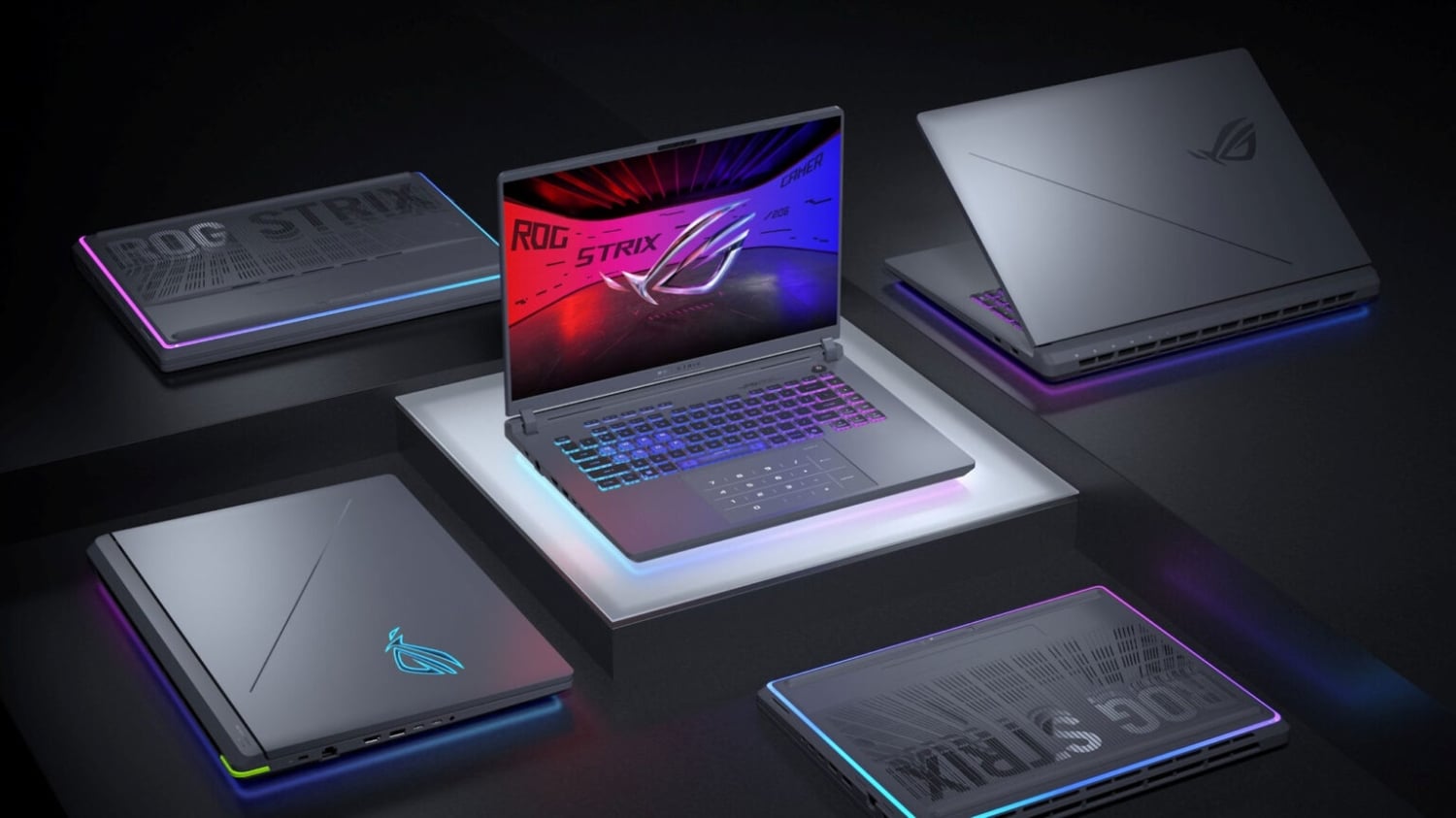
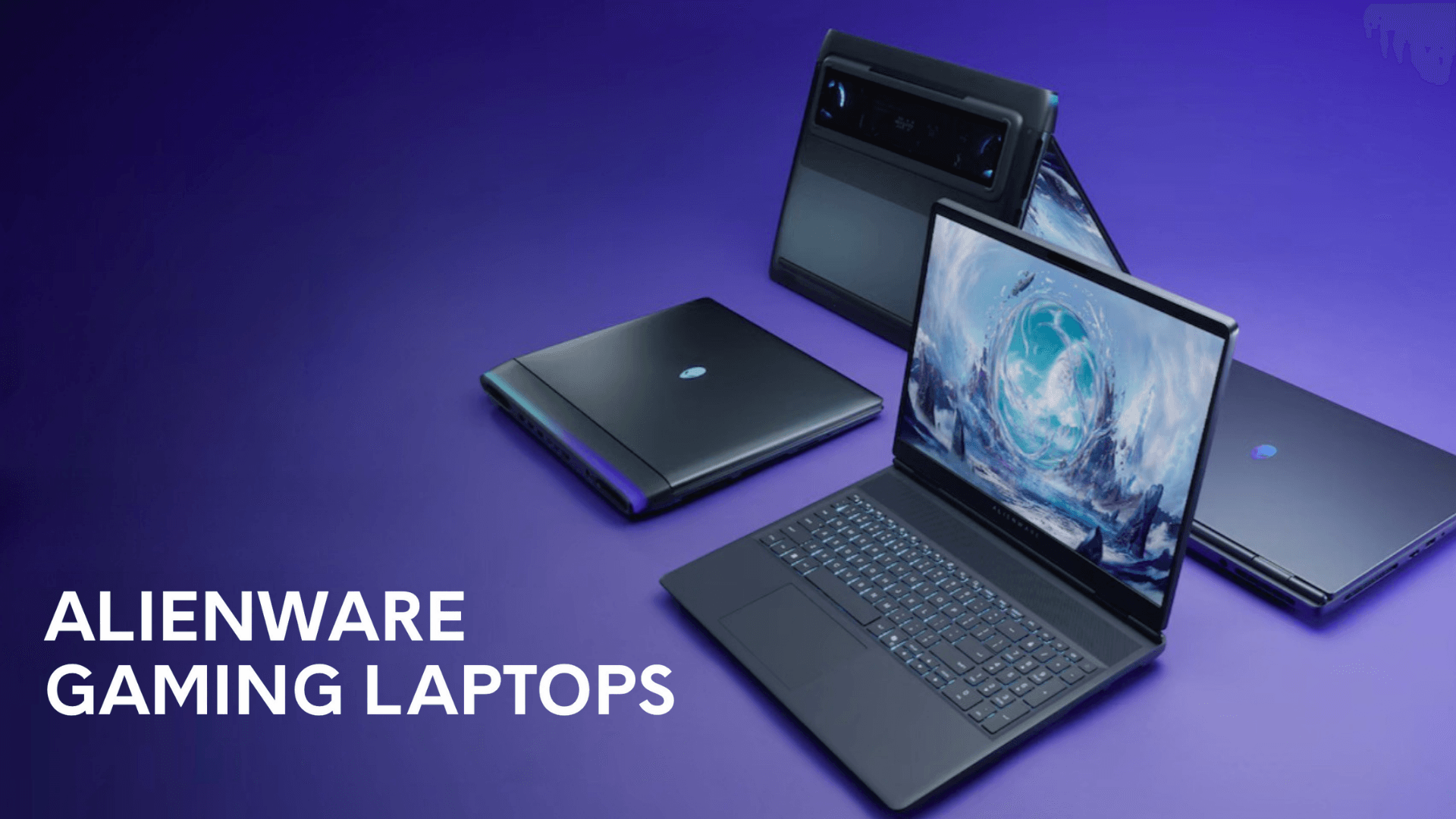
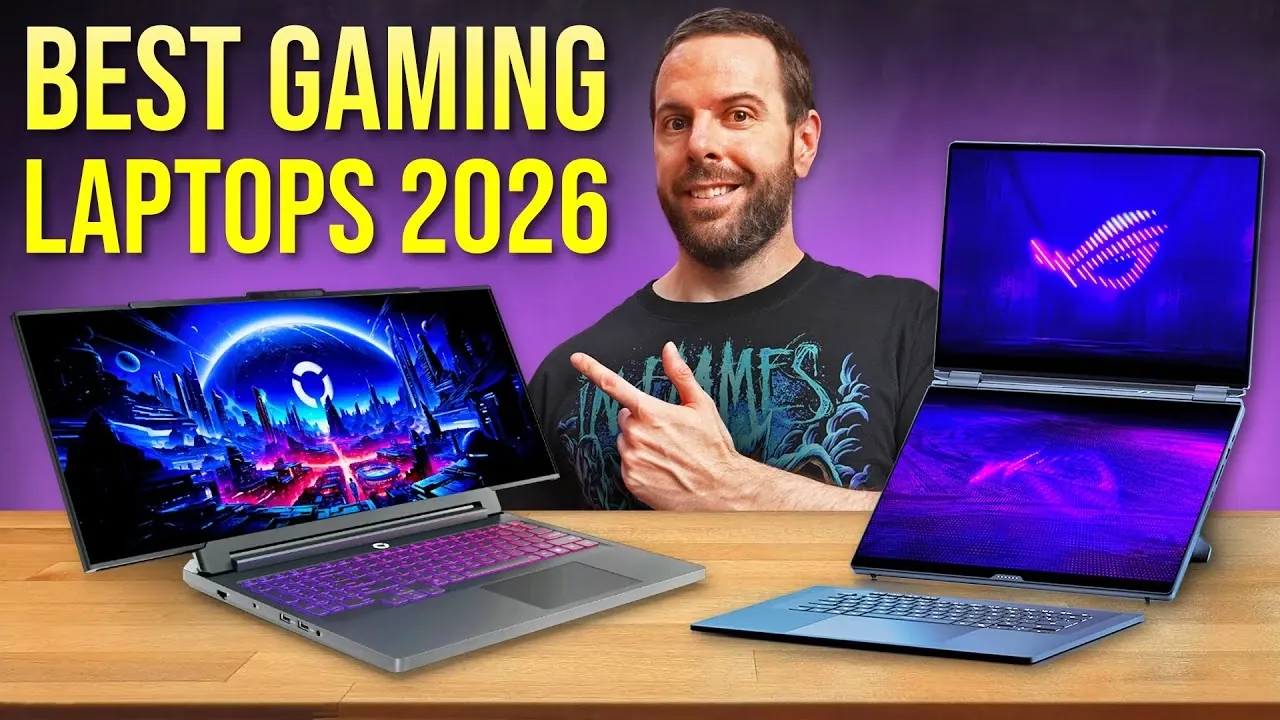
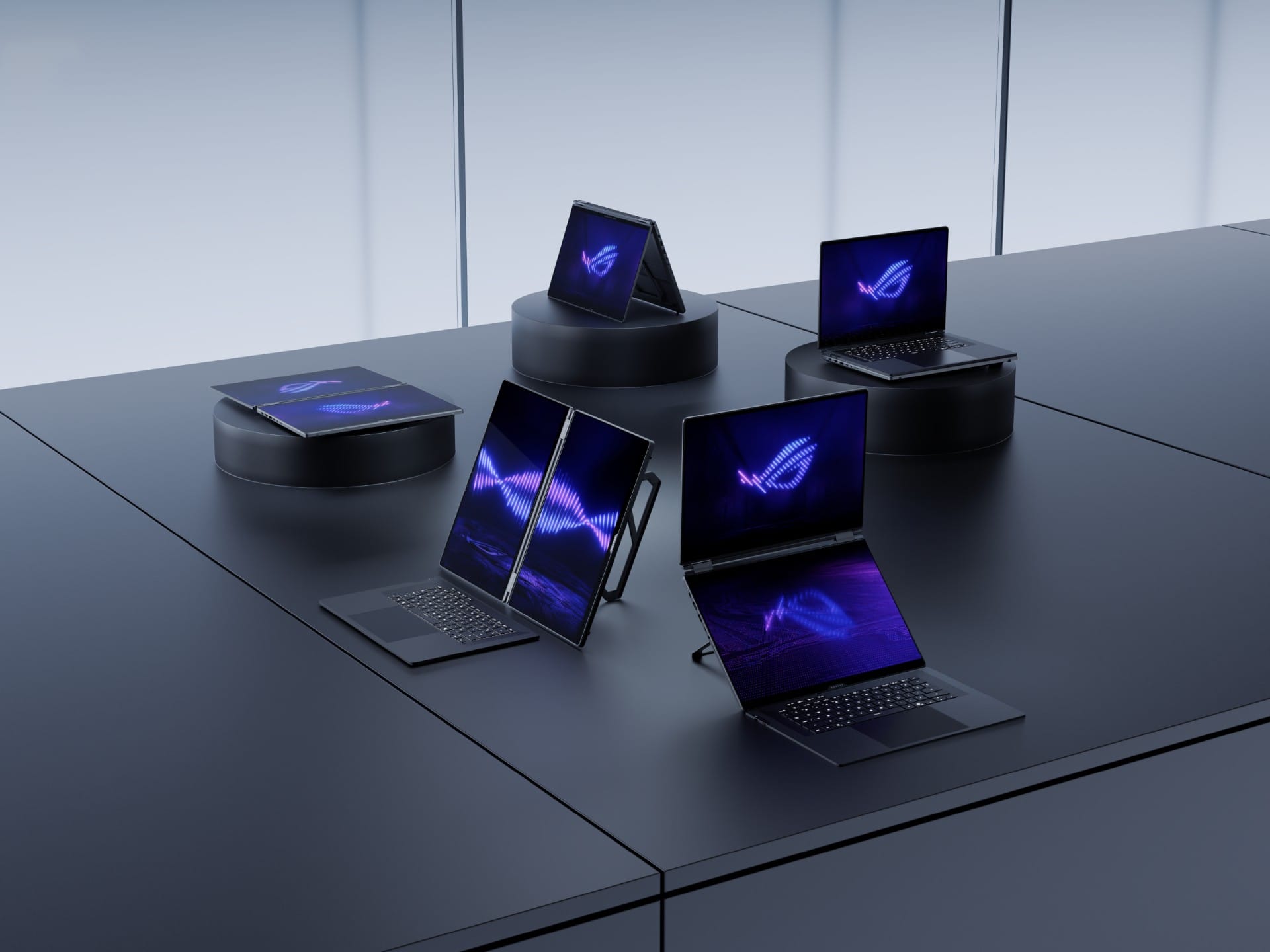
ASUS Revives Dual Screen Gaming With The 2026 ROG Zephyrus Duo ASUS ROG Zephyrus Duo 2026 Dual Screen Gaming Laptop Announced 20260106 183007 . Check Out The Latest ROG Gaming Gear Revealed At CES 2026 . ASUS ROG Showcase At CES 2026 Confirmed With New Gaming Gear Laptops 109228 43 Asus Rog Showcase At Ces 2026 Confirmed With New Gaming Gear Laptops And Future Technology Full . Dell Unveils Ultra Slim And Entry Level Alienware Gaming Laptops At CES Alienware 38e863a74e . Best Gaming Laptops At CES 2026 RTX 5090 Options Dual Screen Picks Lenovo Legion Pro Rollable Concept
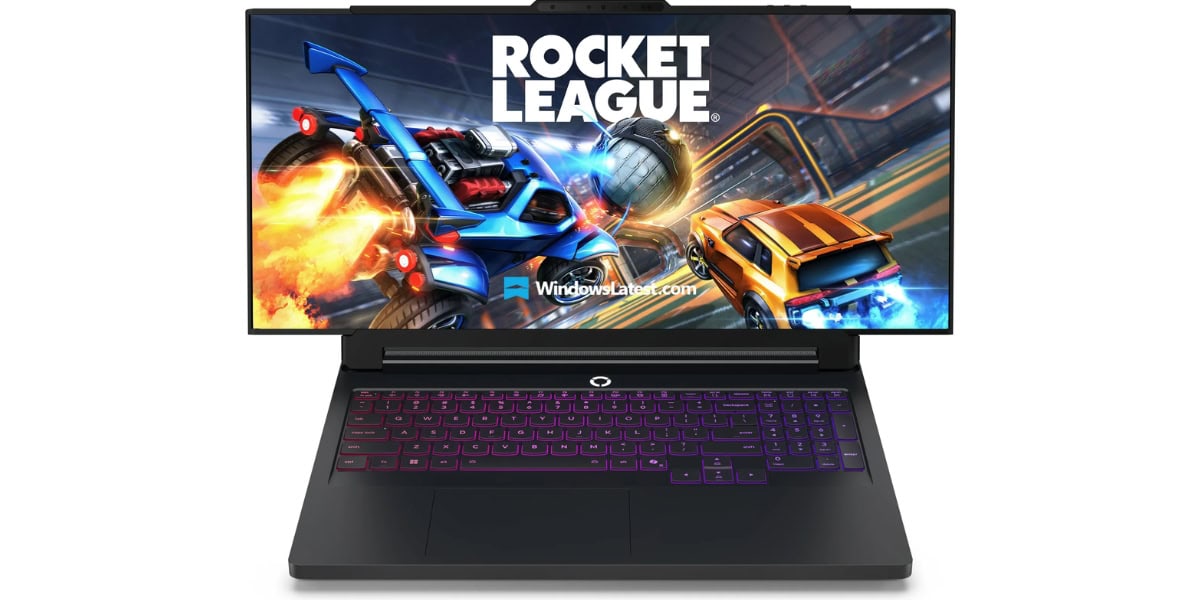


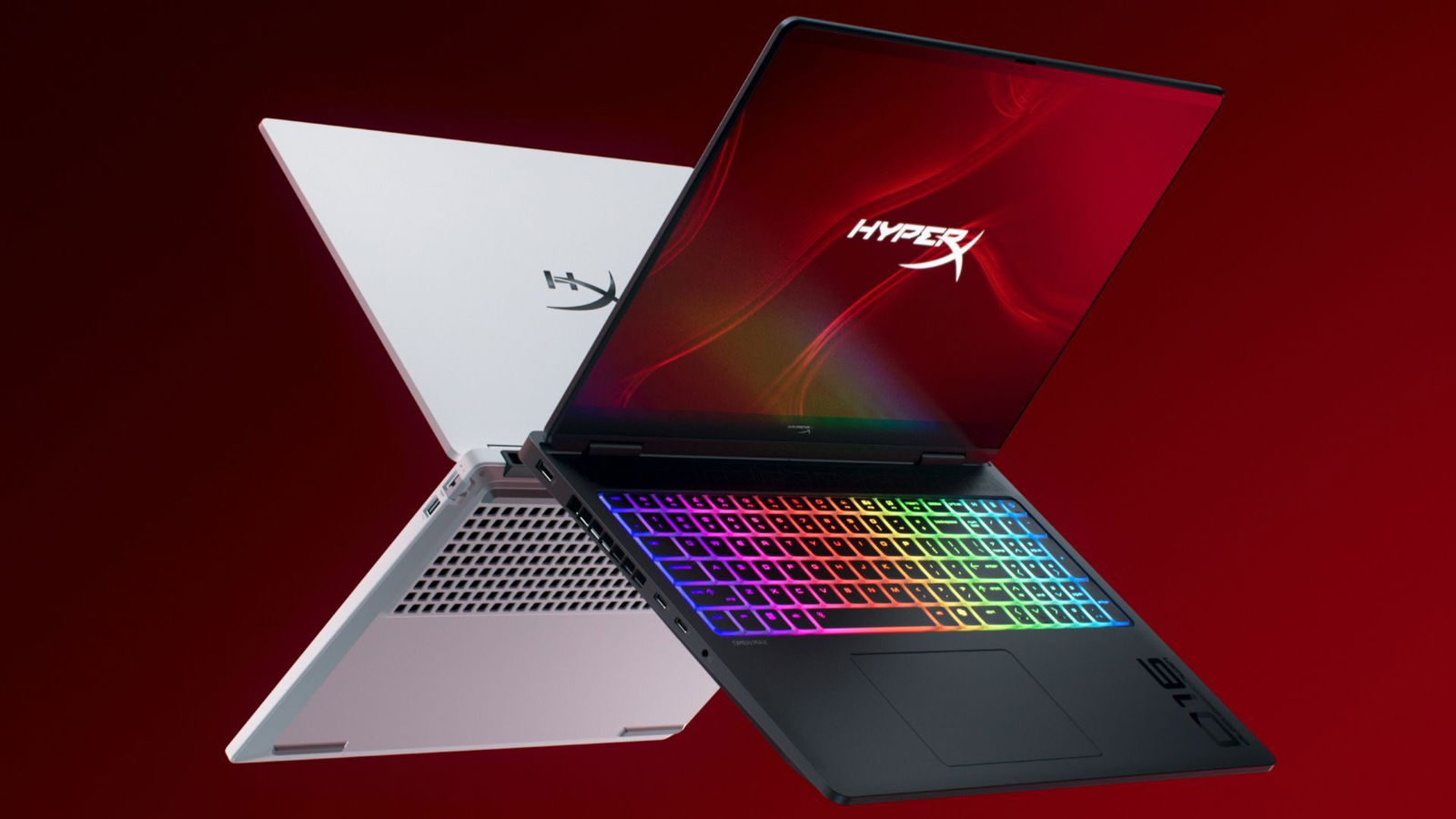
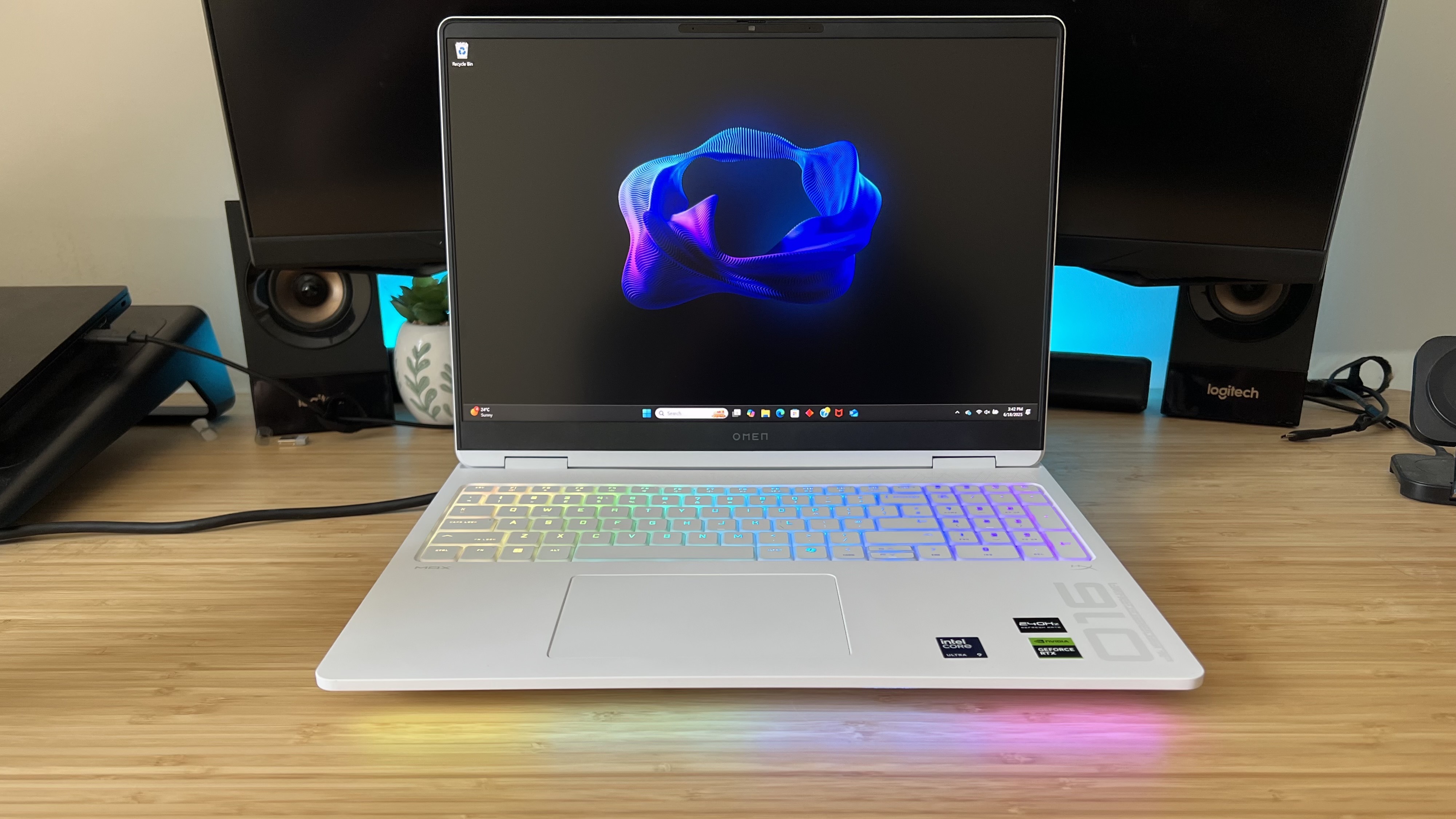
CES 2026 Lenovo Brings Out 16 To 24 Expandable Gaming Laptop Ces 2026 Lenovo Brings Out 16 To 24 Expandable Gaming Laptop Techjuice 211204 062816 . How Much For A PC Gaming Setup Cost Top 3 Gaming Laptops Of 2026 - The Ultimate Guide . Asus ROG CES 2026 Zephyrus Laptops G1000 Desktop For UAE Asus Rog Ces 2026 News Uae . Lenovo Al CES 2026 Mostra Laptop Che Cambiano Formato E Legion Go 2 Con 720 . CES 2026 HyperX OMEN Gaming Laptops Have Been Revealed Ces 2026 Hyperx Omen Gaming Laptops Have Been Unleashed 2026 01 03 164747


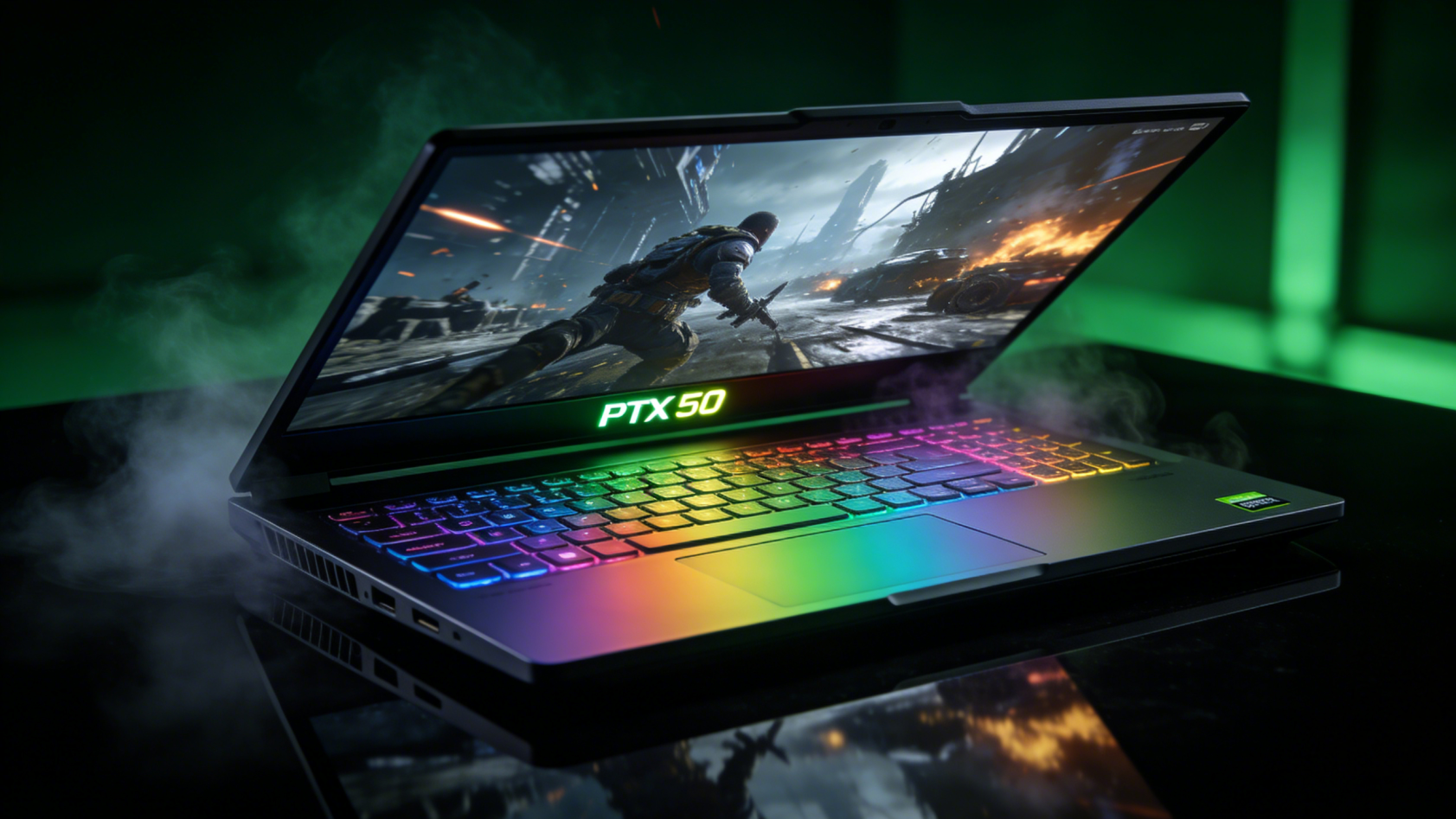
Alienware Laptops Finally Go OLED And Will Get MSI Stealth 16 AI CES 2026 Lead . Red Magic Gaming Laptop 16 PRO 2026 Red Magic Gaming Laptop 16 PRO 2026 74474549hdx . 2026 New Gaming Laptop Intel 15 6 16GB 1024GB SSD Notebook PC Win11 3 Ph 11134207 81ztq. Best Gaming Laptops In 2026 Life Style Tech And Digital Whisk . RTX 50 Gaming Laptops 2026 Complete Performance Guide 5 1 2
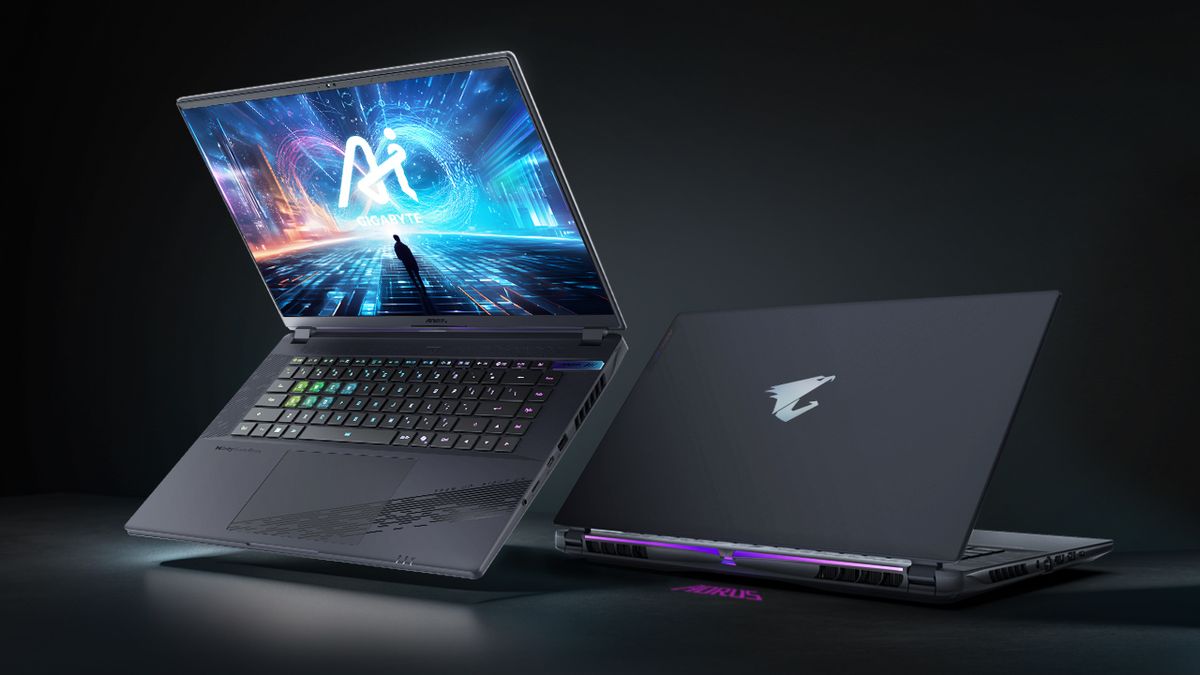
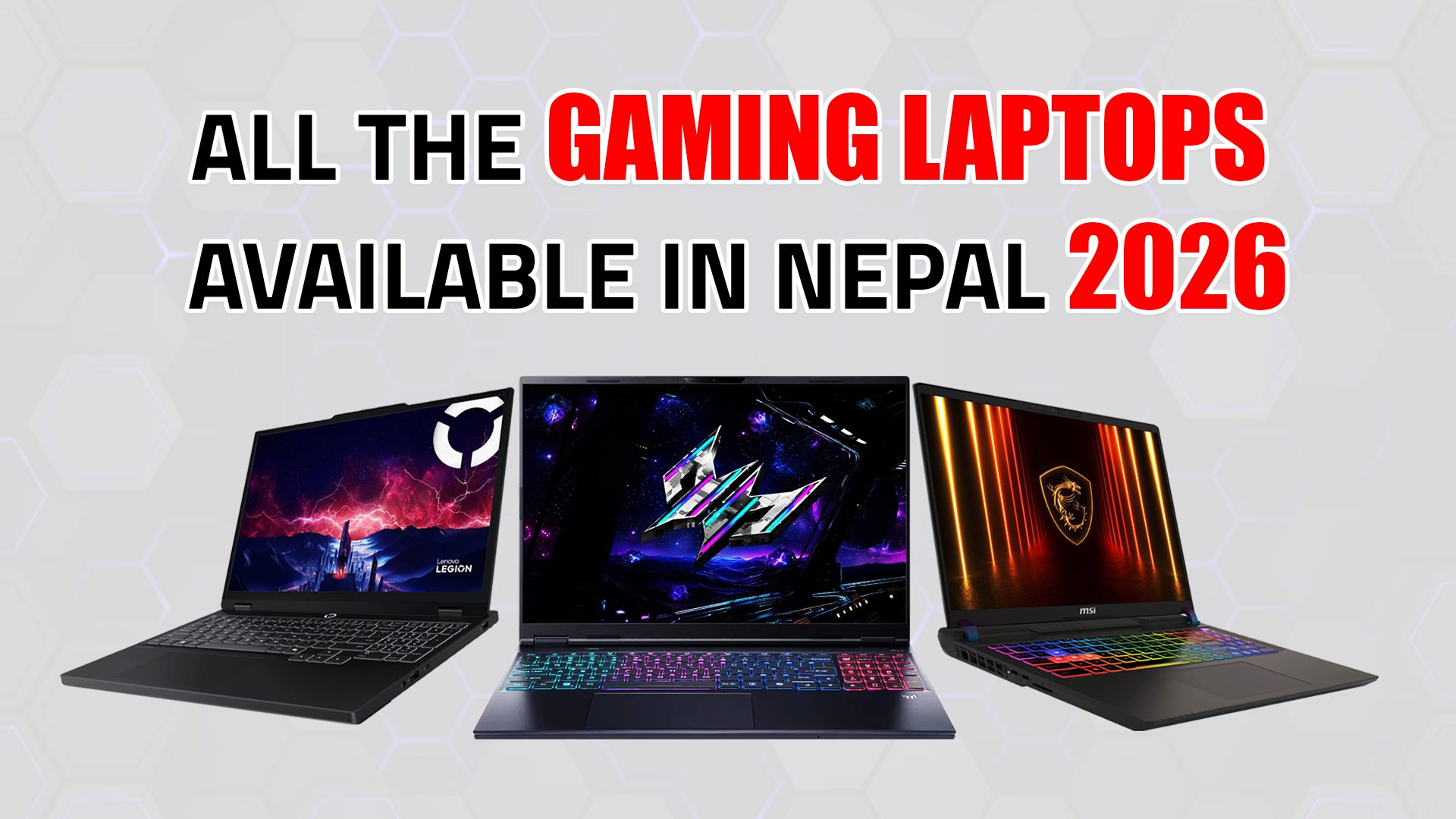


BEST GAMING LAPTOPS IN 2026 REVIEWED AND RANKED Technical 1200 80 . Best Gaming Laptops In Nepal 2026 Price And Guide GAMING LAPTOPS . Top 10 Best Gaming Laptops To Buy In 2026 Power Performance What S . Lenovo S CES 2026 Concept Laptops A Rollable OLED Gaming Beast And A Lenovo CES 2026 Rollable Laptop Concepts 20260107 103129 . Best Gaming Laptops 2026 Top 5 Picks With RTX 50 GPUs Price Comparison Top 5 Gaming Laptops In 2026



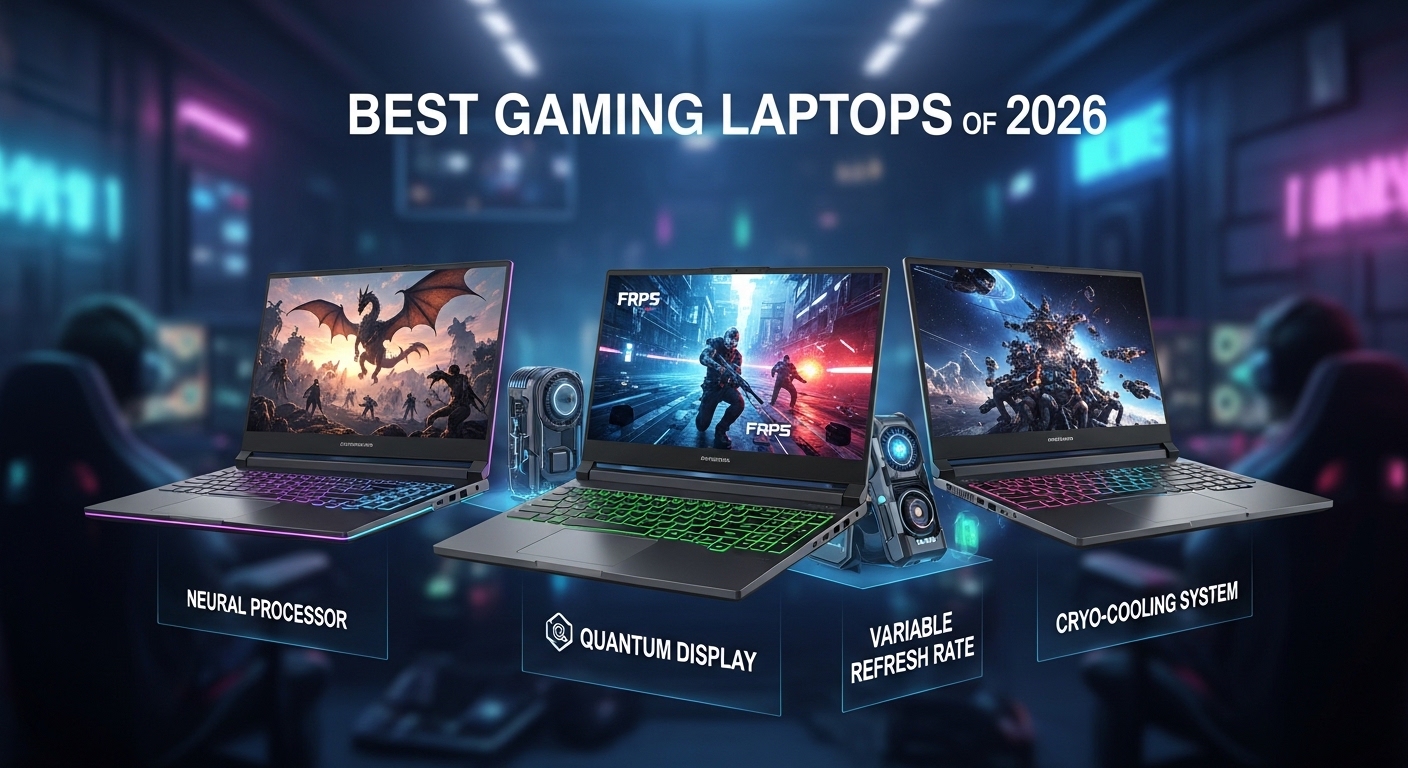
Best Budget Gaming Laptop Deals 2026 Expert Reviews Guide 41oO6UTYpSL . Red Magic Gaming Laptop 16 Pro 2026 With Core Ultra 9 275HX RTX 5090 Red Magic Gaming Laptop 16 Pro 2026 . Best High End Gaming Laptops For Smooth Gameplay 2026. Best Gaming Laptop 2026 Real World Picks I D Actually Buy Gamer Org A Sleek Tech Thumbnail Design Featuring 780x438 . Top 5 Laptop Gaming Ng Mua Nh T 2026 K Nguy N AI PC RTX 50 Series Gemini Generated Image



The Best Cheap Gaming Laptop Deals In January 2026 OLEDs Take Big . 5 Best Gaming Laptops 2026 Gaming Net Untitled Design . Best Laptops 2026 Top Picks For Every Budget Use Case Xthe Best Laptops 2026 Top Picks For Every Budget Use Case 750x350 . The Best Gaming Laptops In Australia For 2026 I Ve Tested The Best . Best Gaming PC Builds For 2026 Best Gaming PC Builds For 2026.webp



Best Gaming Laptops For Every Type Of Gamer In 2026. The Best Gaming PC 2026 UK Builds At The Cheapest Prices GamesRadar . Las Mejores Laptops Gamer De 2026 Gu A Para Elegir Best Laptop Ever . Top 10 Best Gaming Laptops Of 2026 Next Gen Power Revealed YouTube . Top 10 Best Desktop Computers 2026 For Home Office And Work Lenovo Legion Tower 7i 2026 High Performance Desktop Computer With RGB Lighting Featured In