Choosing the right amount of RAM for your gaming laptop is crucial for smooth performance especially when balancing a busy life. In 2026 understanding current game demands and futureproofing your investment helps avoid frustrating lag and ensures you can enjoy the latest titles and social gaming trends with friends. This guide cuts through the hype offering practical advice for gamers average age 36 who juggle work family and gaming time. Discover whether 16GB or 32GB is your sweet spot optimize your setup for stress-free play and make informed hardware upgrade decisions without breaking the bank. Avoid common performance bottlenecks and keep up with popular games like cozy co-ops or competitive esports without constant worry. Get ready to enhance your gameplay experience for relaxation fun and skill-building in the dynamic world of modern gaming.
Related games- Guide to GTA 5 Characters Who Are They Why They Matter
- Guide to Growbux Roblox: Your Essential Free Robux Tips
How much RAM is ideal for a gaming laptop in 2026?
For most gamers in 2026, 16GB of fast DDR5 RAM is the ideal amount for a gaming laptop. This provides excellent performance for nearly all modern AAA games, allows for smooth multitasking with applications like Discord and web browsers, and ensures a lag-free experience without significant bottlenecks. It is the sweet spot for balancing cost and performance.
Is 32GB RAM overkill for gaming on a laptop?
For dedicated gaming alone, 32GB of RAM can be considered overkill for many. However, it is highly beneficial for content creators, streamers, heavy multitaskers, or those playing highly modded games or engaging in VR. It future-proofs your system and eliminates any potential RAM-related bottlenecks, offering absolute freedom and top-tier performance.
What happens if my gaming laptop doesn't have enough RAM?
If your gaming laptop lacks sufficient RAM, you will experience performance issues such as frequent stuttering, significant frame rate drops, extended loading times for games and applications, and potential system freezes or crashes. Your laptop will struggle to keep up, leading to a frustrating and subpar gaming experience.
Can I upgrade the RAM in my gaming laptop?
Many gaming laptops allow for RAM upgrades, though it depends on the specific model. Some laptops have soldered RAM, which cannot be upgraded, while others feature accessible slots. Always research your laptop's model number to confirm compatibility and upgrade options before attempting any installation.
Does RAM speed affect gaming performance more than quantity?
Both RAM quantity and speed are crucial. While having enough RAM (16GB baseline) is essential, faster RAM speeds (e.g., DDR5 4800MHz+) can significantly boost gaming performance, especially in CPU-intensive games and scenarios where the CPU and GPU constantly exchange data. A balance of sufficient quantity and high speed is optimal.
What's the difference between DDR4 and DDR5 RAM for gaming?
DDR5 is the newer and faster generation of RAM compared to DDR4. DDR5 modules offer higher clock speeds, improved bandwidth, and better power efficiency, leading to noticeable performance gains in modern games and applications. While DDR4 is still viable, DDR5 is becoming the standard for new high-performance gaming laptops in 2026.
How can I check my gaming laptop's current RAM usage?
You can check your gaming laptop's current RAM usage using the Task Manager in Windows. Simply press Ctrl+Shift+Esc, then navigate to the 'Performance' tab and select 'Memory.' This will display real-time RAM utilization, helping you identify if your system is running low during gaming sessions or heavy multitasking.
Hey fellow gamers! If you are like most US gamers, you are probably balancing an average of 10+ hours a week of gaming with a job, family, and life itself. At an average age of 36, you know gaming is more than just a hobby; it is a way to unwind, connect with friends on Discord, build skills, or simply dive into an incredible story. But nothing kills that relaxation faster than your gaming laptop stuttering or freezing right when you are about to land that clutch shot or solve a critical puzzle. We have all been there, wondering if our rig can keep up with the latest titles or even just a few browser tabs open alongside our game. The big question often boils down to one crucial component: how much RAM for a gaming laptop do you *really* need?
It is 2026, and the landscape of gaming is more dynamic than ever. With 87% of US gamers regularly engaging in their passion, from competitive esports to chill cozy games, performance optimization is key. This is not about chasing every single frame or buying the most expensive hardware. It is about smart, value-for-money decisions that give you the smooth, reliable experience you deserve, fitting perfectly into your busy schedule. We will cut through the technical jargon and the hype to give you practical, actionable advice on RAM for your gaming laptop, ensuring your setup supports your gaming habits, not hinders them. Let us make sure your next gaming session is all about fun, not frustration!
What is RAM and Why is it Crucial for Gaming?
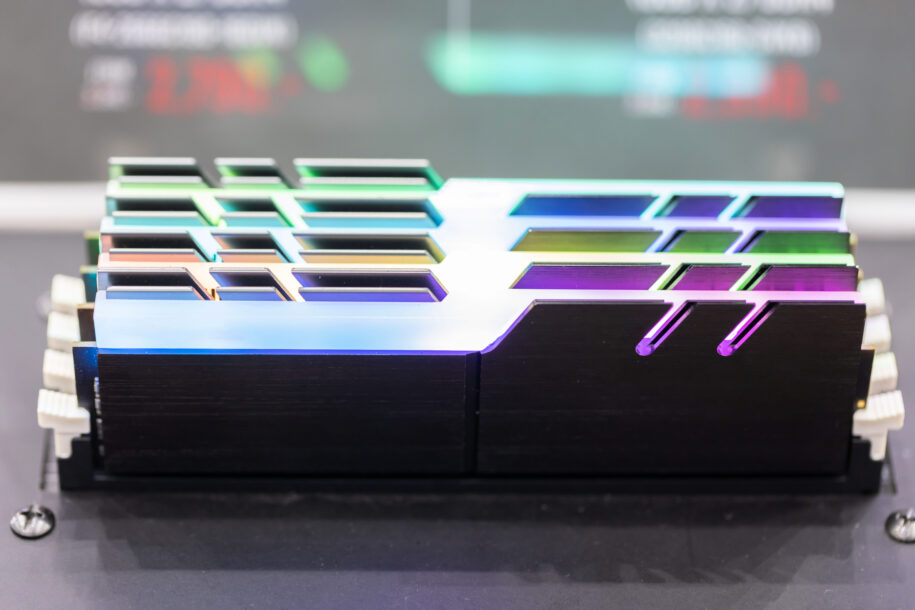
RAM, or Random Access Memory, is essentially your computer's short-term memory. Unlike your SSD or hard drive, which stores data long-term, RAM holds the data that your CPU and GPU need to access *right now*. For gamers, this means everything from the game itself, textures, maps, character models, and even the operating system and background applications like Discord or your web browser. When your laptop does not have enough RAM, it has to constantly swap data between the slower storage drive and the CPU, leading to noticeable slowdowns, stuttering, and longer loading times. Think of it as your gaming laptop's workspace; the more space it has, the more efficiently it can handle multiple tasks without feeling cramped.
How Much RAM Do Most Games Really Need in 2026?
In 2026, the baseline for a smooth gaming experience has generally settled. For most modern AAA titles and the popular social games that many US gamers enjoy, 16GB of DDR4 or preferably DDR5 RAM is the sweet spot. This amount provides ample room for the game, your operating system, and essential background applications without causing significant bottlenecks. Games like this month's trending open-world adventures or competitive shooters can easily consume 10-12GB of RAM themselves. While 8GB might technically run some older or less demanding games, it will struggle immensely with anything current, leading to frustrating performance issues. Investing in 16GB ensures you are ready for the majority of new releases and common multitasking needs.
Is 8GB RAM Enough for a Gaming Laptop Today?
Frankly, for a dedicated gaming laptop in 2026, 8GB of RAM is generally not enough. While it might have been acceptable a few years ago, modern games, with their expansive worlds, high-resolution textures, and complex AI, simply demand more. Trying to run a demanding title on 8GB will often result in noticeable lag, frequent frame rate drops, and extended loading screens. This can seriously detract from the immersive experience, turning what should be relaxing fun into a test of patience. If you are playing older indie games or highly optimized esports titles and literally nothing else, you might get by, but for any serious gamer, 8GB will feel severely limiting and lead to a poor user experience. It is a common pain point for gamers on a budget.
When Should I Consider 32GB RAM for My Gaming Laptop?
Upgrading to 32GB of RAM moves you into enthusiast territory and is highly recommended for specific use cases. If you are a streamer, regularly create content (video editing, 3D rendering), or consistently run multiple demanding applications alongside your games (think having a game, OBS, Photoshop, and 20 Chrome tabs open), then 32GB is a game-changer. It also offers significant future-proofing, making your laptop more resilient to upcoming hardware demands. For players deeply invested in resource-intensive simulation games, VR experiments, or heavily modded titles, 32GB provides the headroom to eliminate any potential RAM-related bottlenecks. For the average gamer who just wants to play and socialize, 16GB is usually fine, but 32GB ensures absolute freedom and top-tier performance.
Does RAM Speed (MHz) Matter as Much as Quantity for Gaming?
Yes, RAM speed matters, often more than many realize, especially with modern CPUs. While having enough RAM (quantity) is foundational, the speed (measured in MHz) and timings (latency) of your RAM can significantly impact gaming performance, particularly for processors that benefit greatly from faster memory bandwidth. For instance, transitioning from DDR4 to DDR5 RAM, which offers higher base clock speeds and improved efficiency, can provide a measurable boost in frame rates, especially in CPU-bound scenarios. A gaming laptop with 16GB of fast DDR5 RAM (e.g., 4800MHz or higher) will often outperform one with 16GB of slower DDR4 RAM, even if the quantity is the same. Aim for the fastest RAM your laptop's motherboard and CPU support for optimal performance and value.
Can I Upgrade RAM on My Gaming Laptop, and How?
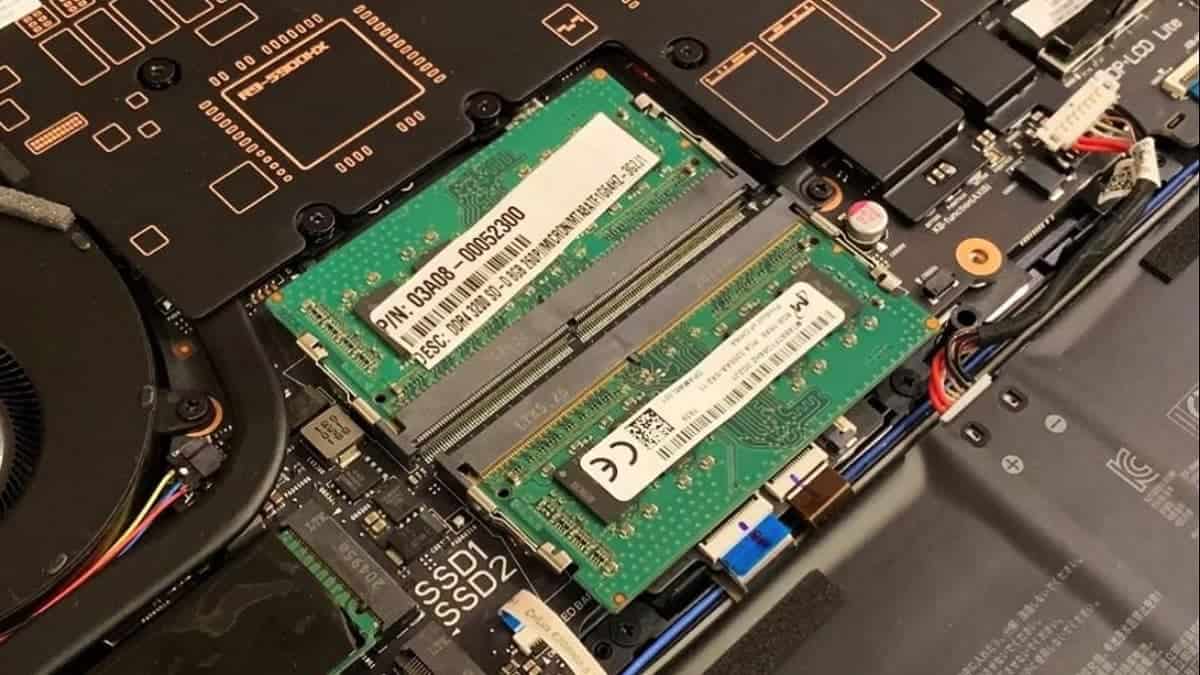
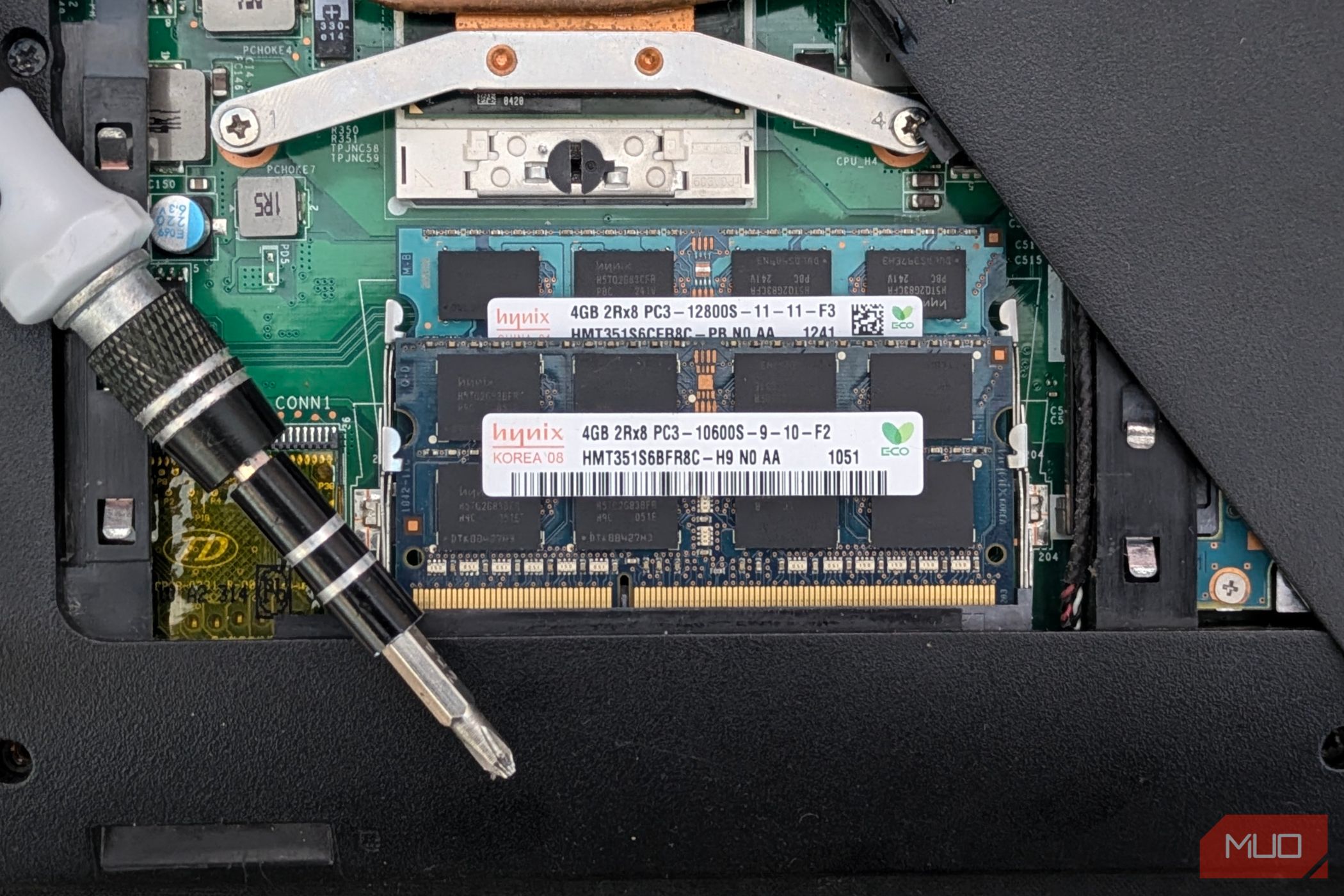
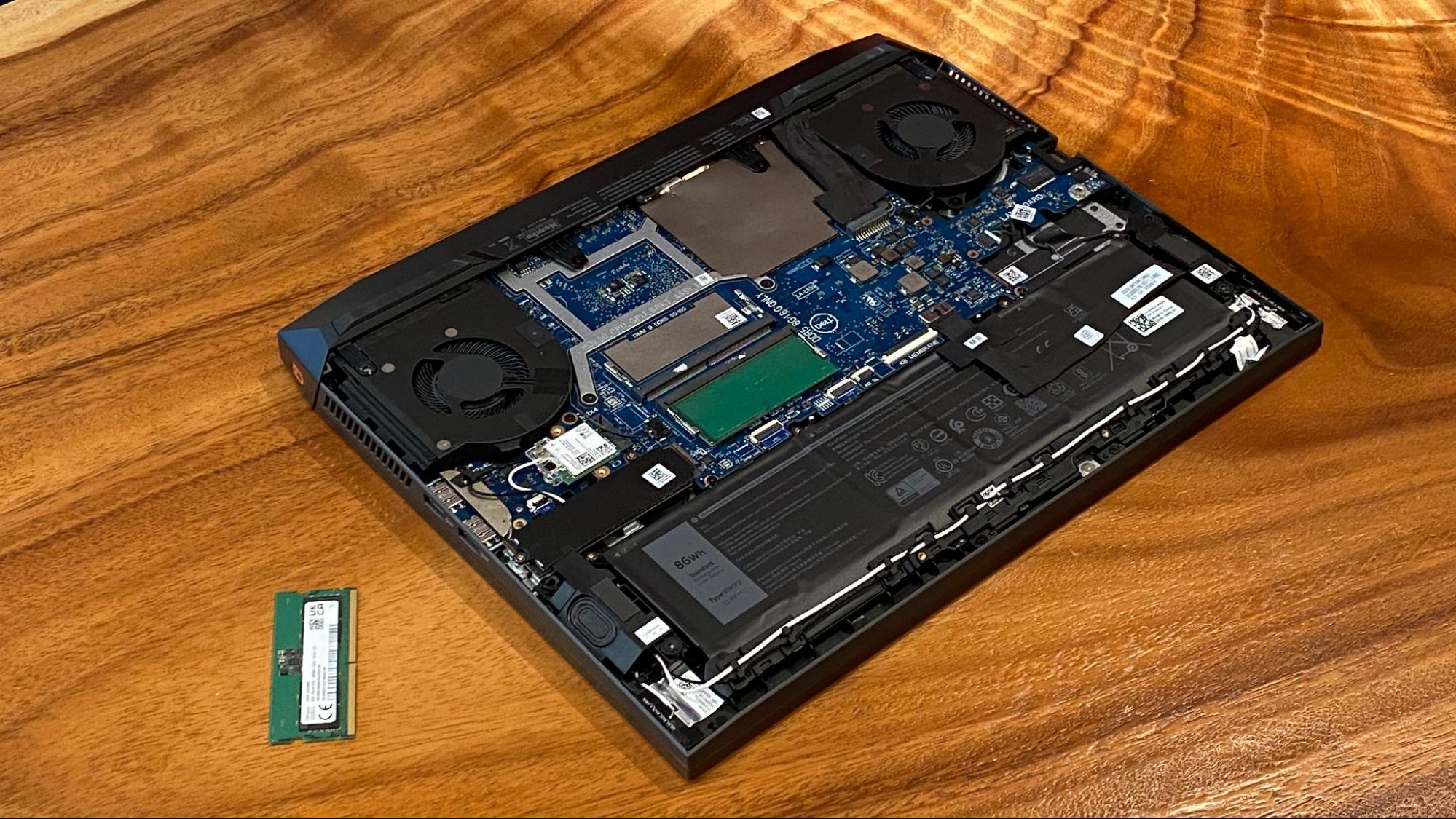
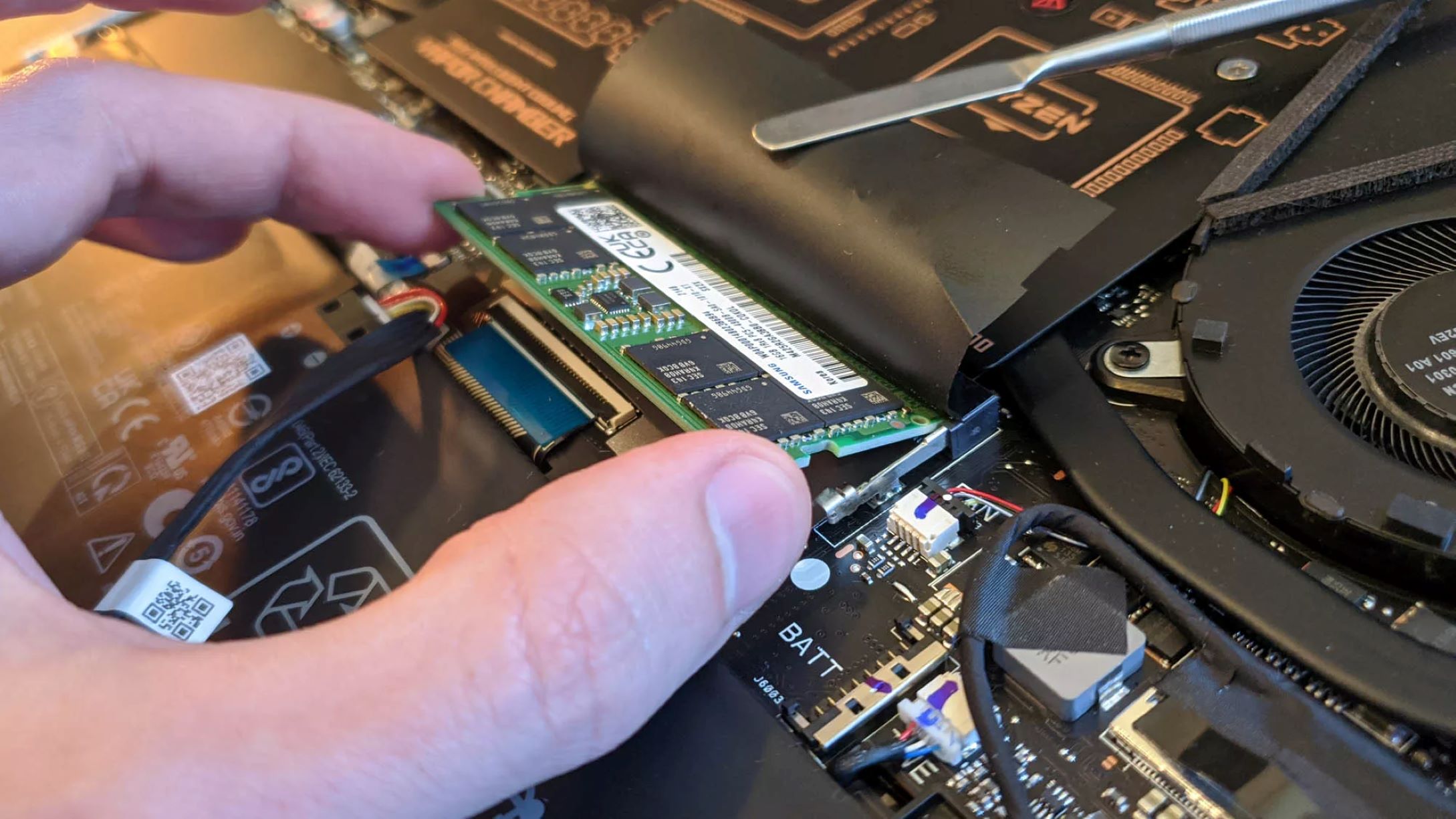
Many gaming laptops *can* be upgraded, but it depends on the specific model. Unlike desktop PCs, some gaming laptops have soldered RAM, meaning it cannot be removed or replaced. However, many others feature accessible RAM slots. Before you even think about opening your laptop, do your research. Check your laptop's specific model number and look up reviews or official specifications for RAM upgrade compatibility. Websites like Crucial or Kingston often have tools to scan your system for compatible upgrades. If upgradable, the process typically involves:
- Powering down and unplugging your laptop.
- Removing the bottom panel (often requires a small screwdriver).
- Locating the RAM slots (usually two, sometimes hidden under a shield).
- Unclipping the existing RAM sticks (if any) and gently removing them.
- Aligning the notch on the new RAM stick with the slot and pushing down until it clicks into place.
- Replacing the bottom panel.
Always ensure you are using the correct RAM type (DDR4 or DDR5) and compatible speeds. This is a common, cost-effective upgrade for gamers on a budget.
What Are the Signs My Gaming Laptop Needs More RAM?
Knowing when your gaming laptop is crying out for more RAM is crucial for addressing performance issues. Here are the tell-tale signs:
- Frequent Stuttering and Lag: Especially noticeable during intense action sequences or when loading new areas in a game.
- Extended Loading Times: Games and applications take an unusually long time to launch or load new content.
- System Freezes or Crashes: Your laptop might momentarily freeze or even crash to desktop, particularly when multitasking or running demanding games.
- Poor Multitasking Performance: Switching between a game, your browser, and Discord feels sluggish and unresponsive.
- High RAM Usage in Task Manager: Open Task Manager (Ctrl+Shift+Esc), go to the 'Performance' tab, and check your 'Memory' usage. If it is consistently at 90% or higher while gaming, you are definitely RAM-starved.
- Texture Pop-In: In-game textures may appear blurry or load slowly, sometimes called 'texture pop-in'.
These symptoms are common pain points and clearly indicate that your current RAM capacity is struggling to keep up with your gaming and general usage demands.
How Does RAM Impact Other Components Like CPU and GPU?
RAM does not work in isolation; it forms a critical part of your laptop's ecosystem, acting as a bridge between your CPU and GPU. If your RAM is insufficient or too slow, it can create a bottleneck, meaning even a powerful CPU and GPU cannot perform at their full potential because they are constantly waiting for data. For example, a high-end RTX 40-series GPU needs quick access to game assets, and a fast Ryzen or Intel CPU needs quick access to instructions. If the RAM cannot deliver this data fast enough, both components will idle, leading to lower frame rates. This is why balancing your RAM with your CPU and GPU is essential for overall system performance, ensuring all components can communicate efficiently and deliver the best possible gaming experience.
Balancing RAM with CPU and GPU: Where's the Sweet Spot for Value?
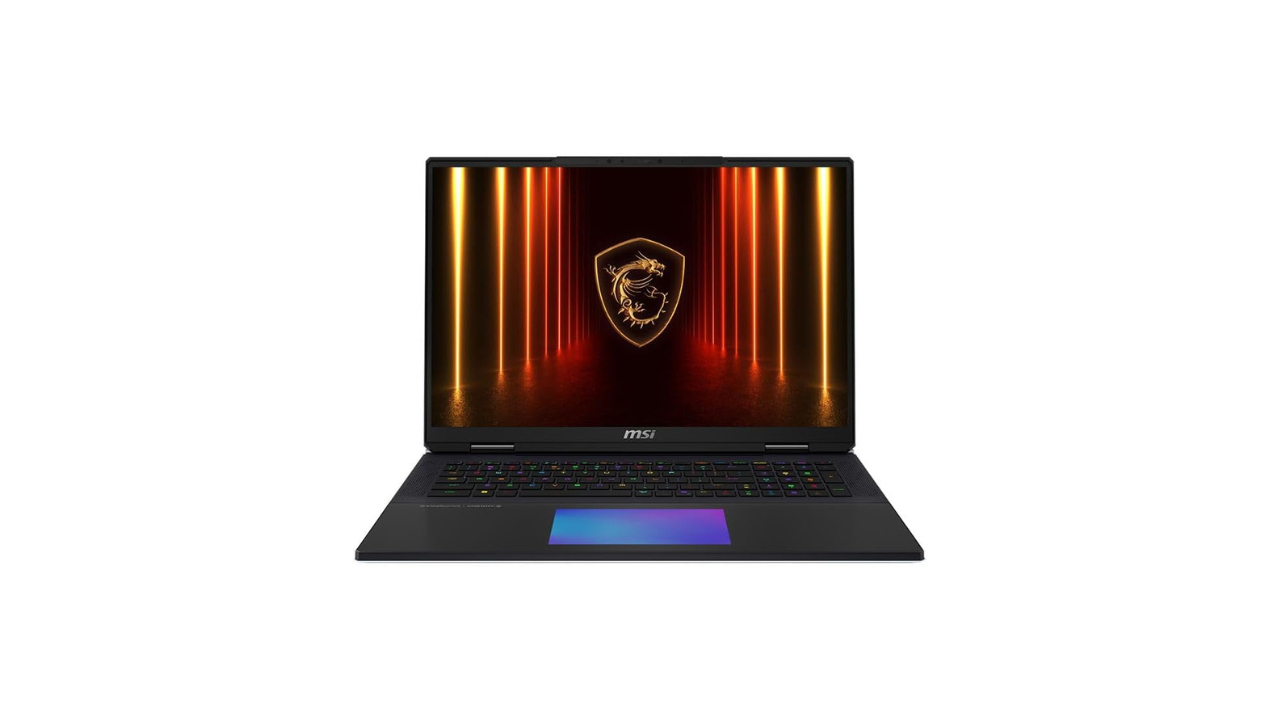
Finding the perfect balance between RAM, CPU, and GPU is key to getting the best value for your gaming laptop, especially for those managing budgets. For most gamers in 2026, the sweet spot often involves prioritizing a strong GPU first, a capable CPU second, and then ensuring you have at least 16GB of fast RAM. For example, spending extra on 32GB of RAM while pairing it with an entry-level GPU might not yield the performance boost you expect. Conversely, a top-tier GPU and CPU will be bottlenecked by only 8GB of slow RAM. A common recommendation for a mid-range gaming laptop would be an NVIDIA RTX 4060 or AMD RX 7700S GPU, a current-gen Intel i5 or Ryzen 5 CPU, and 16GB of DDR5 RAM. This configuration provides a solid foundation for excellent 1080p and even some 1440p gaming without overspending on any single component.
Beyond RAM: Other Ways to Boost Gaming Laptop Performance?
While RAM is vital, it is not the only factor in peak gaming laptop performance. Here are other key areas to consider for a smoother experience:
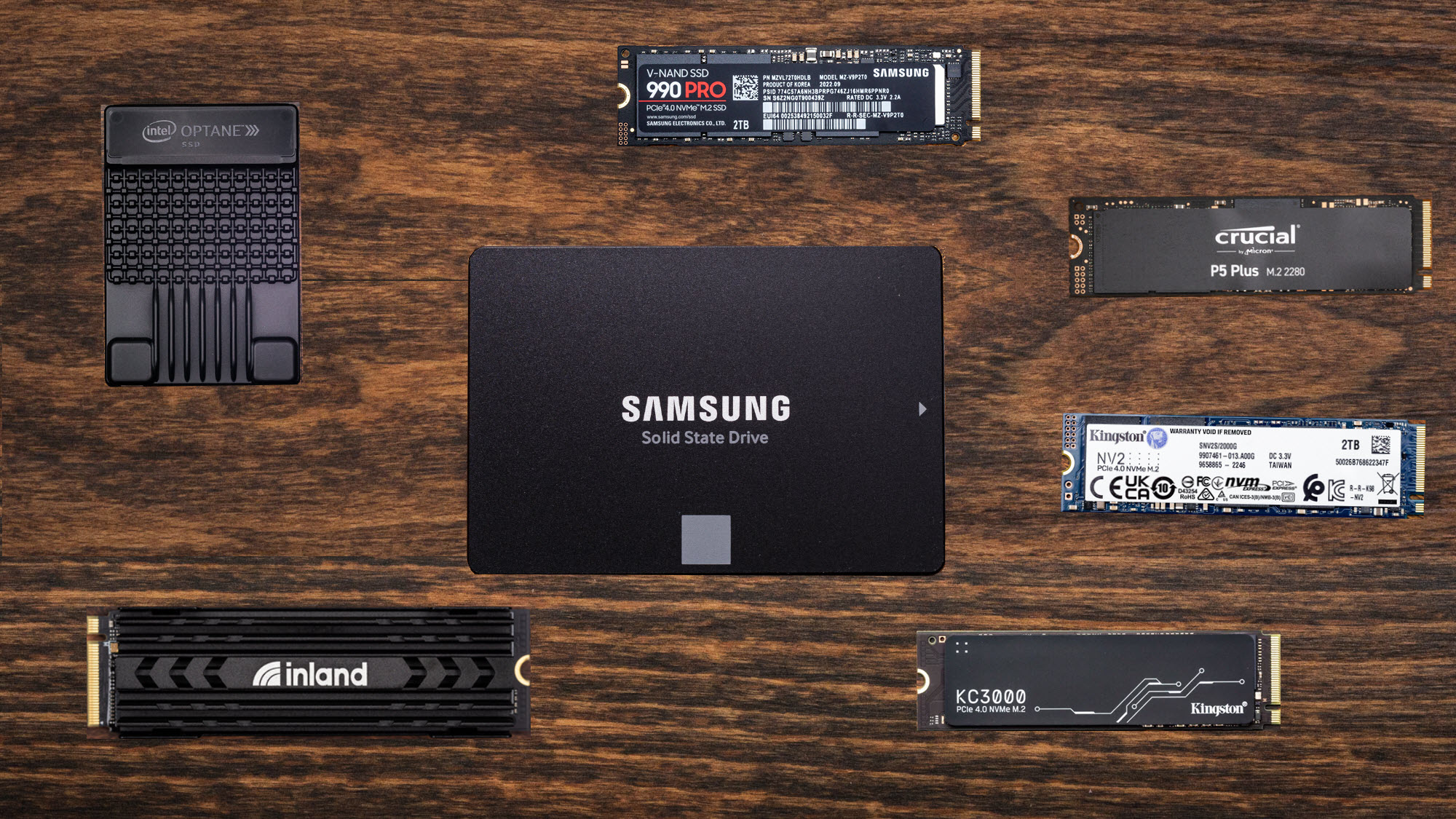
- SSD Storage: Ensure your games are installed on a fast NVMe SSD. This drastically reduces loading times compared to older SATA SSDs or HDDs.
- Optimized Cooling: Laptops can thermal throttle, meaning they slow down to prevent overheating. Keep vents clean, use a cooling pad, and monitor temperatures.
- Latest Drivers: Always keep your GPU drivers (NVIDIA GeForce Experience, AMD Adrenalin) and chipset drivers up to date. This can bring significant performance improvements and bug fixes.
- Game Settings: Sometimes, a slight tweak to in-game graphics settings can yield substantial FPS gains without sacrificing much visual quality.
- Background Processes: Close unnecessary applications running in the background while gaming to free up CPU, GPU, and RAM resources.
- Operating System Optimization: Keep Windows updated and consider disabling unnecessary visual effects or startup programs.
These tips complement your RAM choice, helping you extract every ounce of performance from your gaming laptop.
Conclusion
Choosing the right amount of RAM for your gaming laptop in 2026 is all about balancing current demands with future-proofing, and understanding your specific gaming habits. For the vast majority of US gamers, who often juggle life and game time, 16GB of fast DDR5 RAM is the ideal baseline, offering excellent performance for most modern titles and typical multitasking. If you are a content creator, streamer, or demand absolute top-tier performance and future-proofing, 32GB is a worthy investment. Remember, RAM speed matters too, so aim for the fastest your system supports. Do not let insufficient or slow RAM spoil your well-deserved relaxation and fun.
By understanding these factors, you can make an informed decision that enhances your gaming experience, ensures smooth social play, and helps you stay current without falling for unnecessary hype. What is your biggest gaming challenge when it comes to performance? Comment below and let us help each other out!
Frequently Asked Questions About Gaming Laptop RAM
Is RAM different from VRAM?
Yes, RAM (Random Access Memory) is your system's main memory for general tasks and game data, while VRAM (Video RAM) is dedicated memory on your graphics card (GPU) specifically for storing graphical data like textures and frame buffers. Both are crucial for gaming but serve different purposes.
Can too much RAM hurt performance?
No, having too much RAM does not typically hurt performance. While there is a point of diminishing returns where adding more RAM no longer provides a noticeable benefit, it will not actively slow your system down. However, investing in excessive RAM might mean less budget for other critical components like a better GPU or CPU, which could offer more significant performance gains.
What is dual-channel RAM?
Dual-channel RAM configuration means installing RAM modules in matched pairs (e.g., two 8GB sticks) into specific slots on your motherboard. This allows the CPU to access data from two RAM modules simultaneously, effectively doubling the memory bandwidth and leading to significant performance improvements in games and applications compared to a single-channel setup.
How often should I upgrade RAM?
You should consider upgrading your RAM when you notice performance bottlenecks like frequent stuttering, slow loading times, or high RAM usage in Task Manager while gaming or multitasking. Typically, if you start with 16GB, you might not need an upgrade for several years, unless you become a heavy content creator or future game demands drastically increase.
Does RAM directly affect FPS?
RAM does not directly affect FPS in the same way a GPU or CPU does, but it significantly impacts *consistent* FPS and overall game smoothness. If you do not have enough RAM or if it is too slow, it can cause frame rate drops (stuttering), longer loading screens, and general system sluggishness, indirectly affecting your gaming experience and perceived FPS.
What DDR generation of RAM is best for gaming laptops?
Currently, DDR5 RAM is the latest and best generation for gaming laptops. It offers higher clock speeds, improved power efficiency, and better performance compared to its predecessor, DDR4. While DDR4 is still capable, newer gaming laptops in 2026 are increasingly featuring DDR5, providing a noticeable boost, especially with modern CPUs.
Optimal RAM for gaming laptop 2026 16GB vs 32GB RAM Gaming performance RAM upgrade guide RAM speed gaming impact Balancing gaming life and hardware US gamer trends
35
When Will DDR5 Prices Drop 2026 Memory Market Forecast Unibetter Ddr5 Price 2026 1024x687 . Find Out How Much RAM Do You Need For Gaming In 2026 How Much Ram For Gaming . How Much RAM Is Good For A Gaming Laptop WePC How Much RAM Is Good For A Gaming Laptop How Many GB Of RAM Is Good For A Gaming Laptop . How Much RAM Do You Need For Gaming 16GB Vs 32GB Co Uk Ram . How Much RAM Do You Need For Gaming In 2025 Guide How Much RAM Do You Need For Gaming 768x512

Best Ram For Gaming Laptop On The Market In 2024 Top 5 Best Amount Of . How Much RAM Should My Gaming Laptop Be Using Robots Net How Much Ram Should A Gaming Laptop Have 1700476200 . How Many Gb Of Data Do I Need For 3 Weeks Of Travel Dibujos Cute Para . 10 Best Gaming Laptops Under 1500 In 2026 PCVenus How Much RAM Do I Need For Gaming . Best PC Builds For Gaming 2026 From 500 Budgets To 4 000 Tom S

Gaming RAM In 2026 XMP 3 0 AMD EXPO And How To Choose 5.3 1024x572 . Le Migliori RAM Del 2026 TechRadar . How Much For A PC Gaming Setup Cost Top 3 Gaming Laptops Of 2026 - The Ultimate Guide . How Much System Memory Is ACTUALLY Needed For Gaming By XComp PC . How Much Ram For Gaming Update 04 2026 How Much Ram For Gaming 1
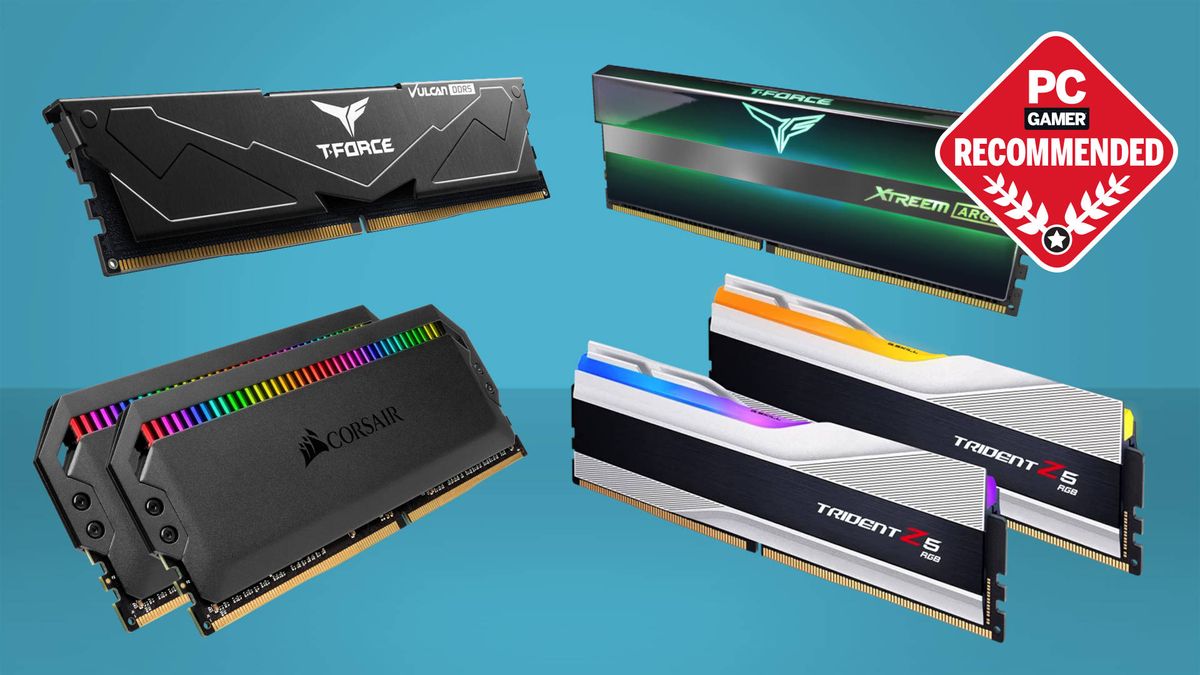


Buy Best Rgb Ram For Gaming 2026 Best RAM For Gaming In 2024 1200 80 . How Much RAM Do I Need For Gaming In 2026 Computer Lounge MSI Gaming Laptops Menu 0e52bdb1 2643 4bdf 9988. How To See Ram On Windows 10 Step By Step Guide TAFT Independent Changing Laptop Ram . How To Upgrade The RAM In Your Laptop Tom S Hardware . How Much RAM For Gaming In 2026 8GB Vs 16GB Vs 32GB The Ultimate Guide How Much Ram For Gaming
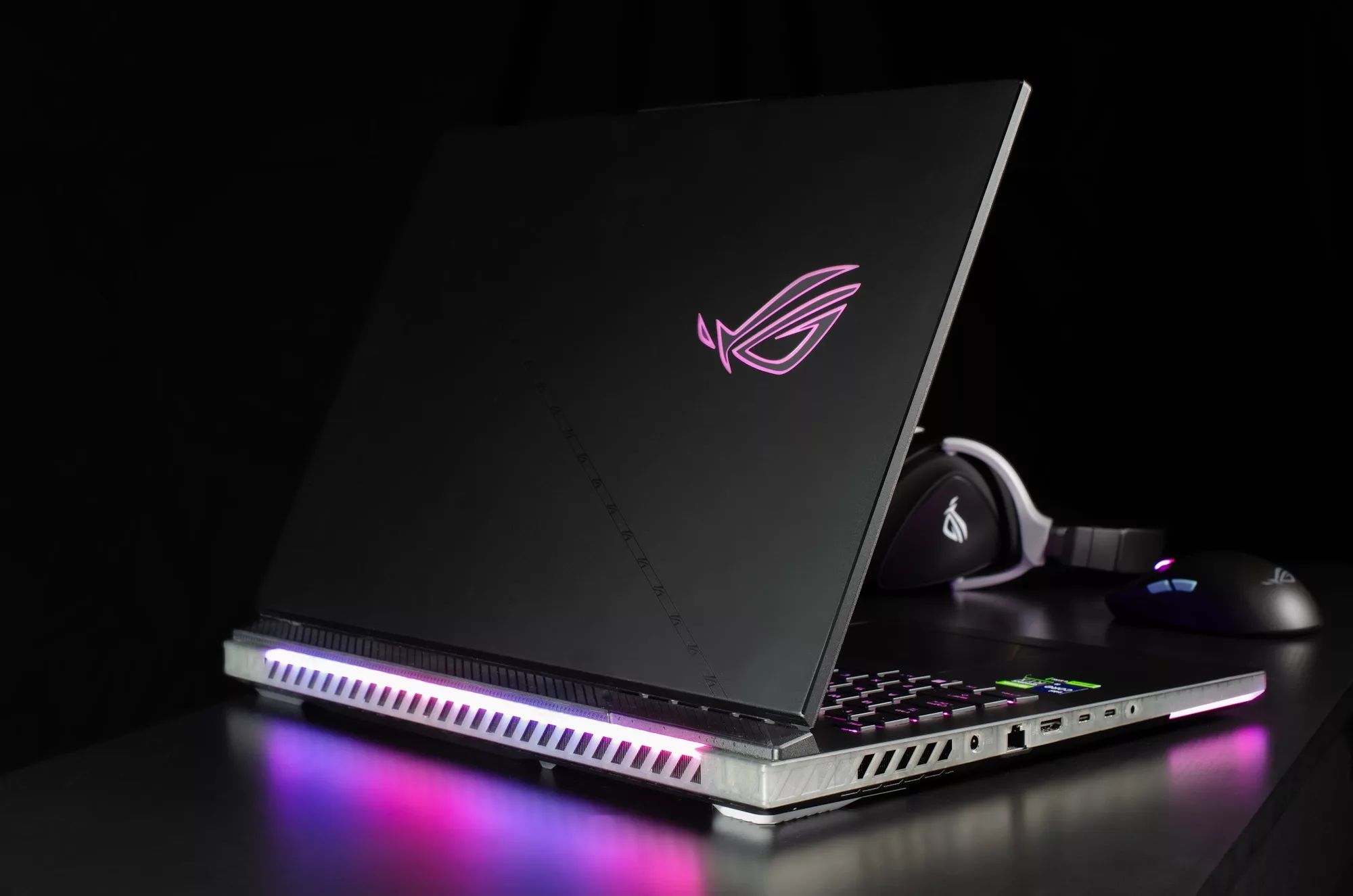
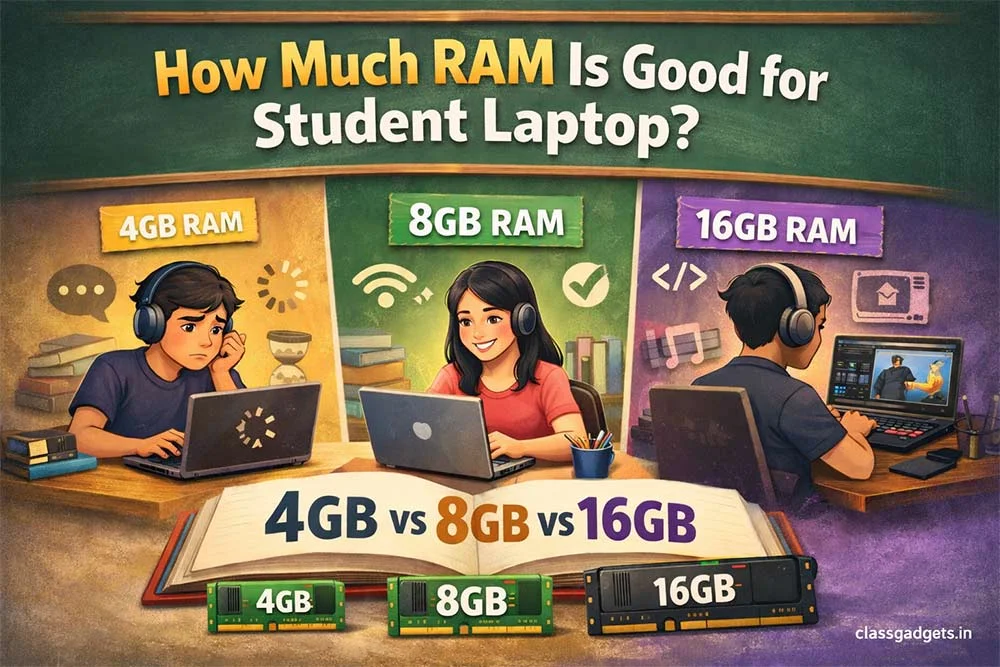

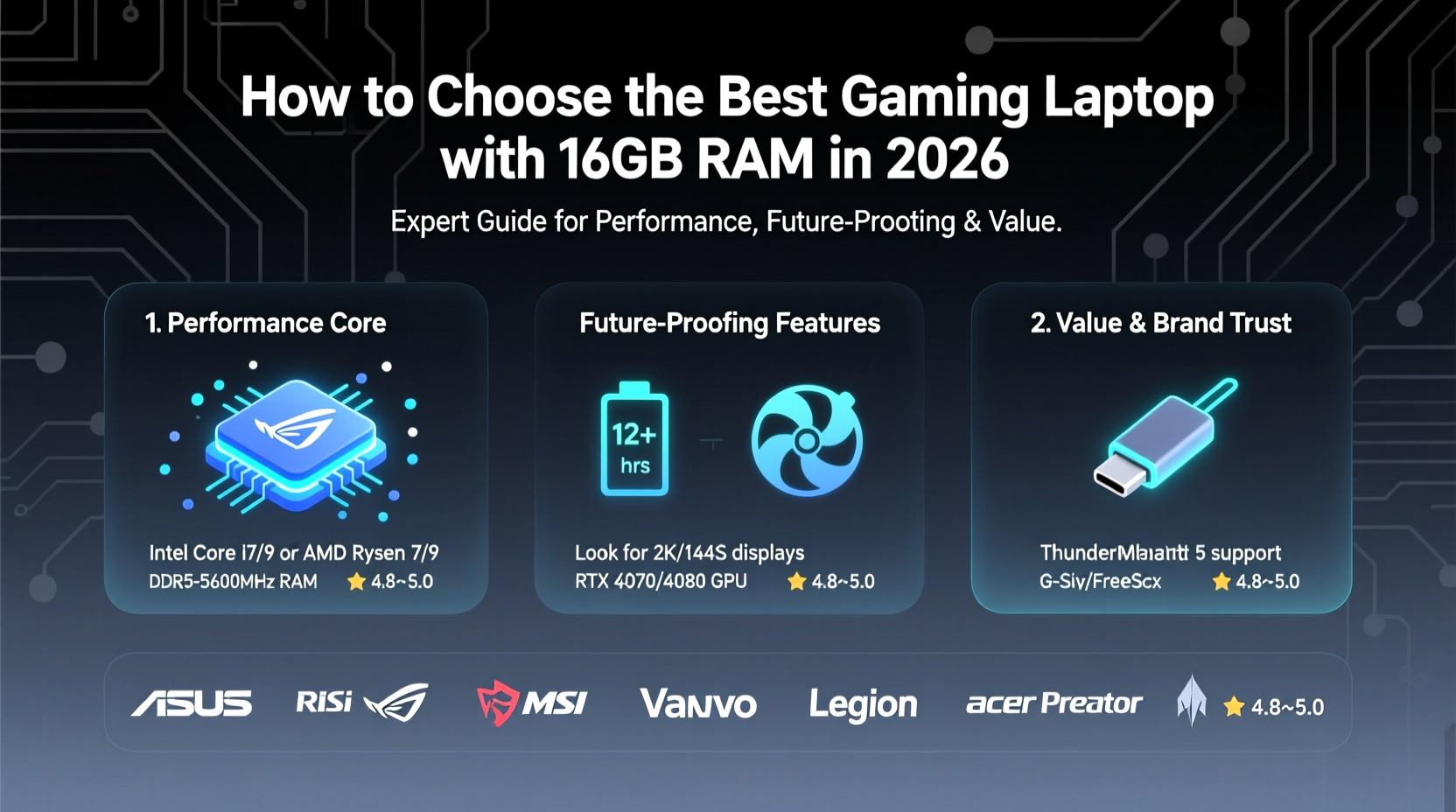
How Much Memory Do You Need For A Good Gaming Laptop Robots Net How Much Ram Should My Gaming Laptop Be Using 1701757536 . How Much RAM Does A Student Laptop Need In 2026 PSERO LAPTOP How Much Ram Is Good For Student Laptop.webp. How Much RAM Do You Actually Need For Gaming In 2026 Reforged Rigs 16GBvs32GB . How Much RAM Is Needed For Gaming In 2026 Full Benchmark Analysis Ddr5 Memory Price Increase Pc Demand.webp. How To Choose The Best Gaming Laptop With 16GB RAM In 2026


RAM Prices 2026 Why They Are Rising When To Buy Unnamed 1 . Ram Nascar 2026 What Is Ram What Does It Do How Much Do You Need Ram 2 . How Much RAM Do You Need For Gaming In 2026 AdobeStock 423480988 1 915x610 . Best RAM For Gaming In 2024 . Top 5 Best Gaming Laptops For 2026 The Ultimate Guide 2026 Rank1one Gaming Laptops

How To Upgrade Your RAM On Your Laptop Robots Net 8 Best 16gb Ram For Laptop For 2023 1702146953 . How Much RAM Do You Need For Gaming Complete Guide 2025 64682439 E33e 407d 91e8 . Best RAM For Gaming 2026 Fast Cheap And RGB Tom S Hardware . Cost Effective Gaming Laptop 6319980 Rd . Buy Best Rgb Ram For Gaming 2026 Best RAM For Gaming In 2024 Best Ram Gaming Kingston Fury Beast Ddr5 Rgb