Discover how to play horseshoes game with this ultimate guide, perfect for anyone looking to enjoy classic backyard fun. Learn the official rules, court dimensions, throwing techniques, and scoring methods to become a horseshoes champion. This comprehensive overview covers everything from basic setup to advanced strategies, ensuring you master every pitch and ring up those points. Whether you are a beginner looking for an easy-to-understand tutorial or a seasoned player seeking to refine your technique, our expert tips will help you elevate your game. Uncover the secrets to consistent throwing, understanding different grips, and effectively managing your throws to dominate the competition. This guide makes learning accessible and fun, transforming your casual throws into strategic plays. Prepare to impress your friends and family at your next outdoor gathering with newfound horseshoes prowess.
Welcome to the ultimate living FAQ about the classic game of horseshoes, updated for the current year to give you all the best tips, tricks, and guides! Whether you're a complete novice wondering how to even hold the shoe or an aspiring pro looking to refine your strategy, this comprehensive guide has you covered. We've scoured the most common questions from forums, backyard gatherings, and competitive circuits to bring you the most honest, easy-to-understand answers. Think of this as your go-to resource for everything horseshoes, designed to make you a more confident and skilled player. From setting up your court to mastering that perfect ringer, we'll walk you through it all. Let's get pitching!
Most Asked Questions about How to Play Horseshoes Game
What are the official dimensions for a horseshoe court?
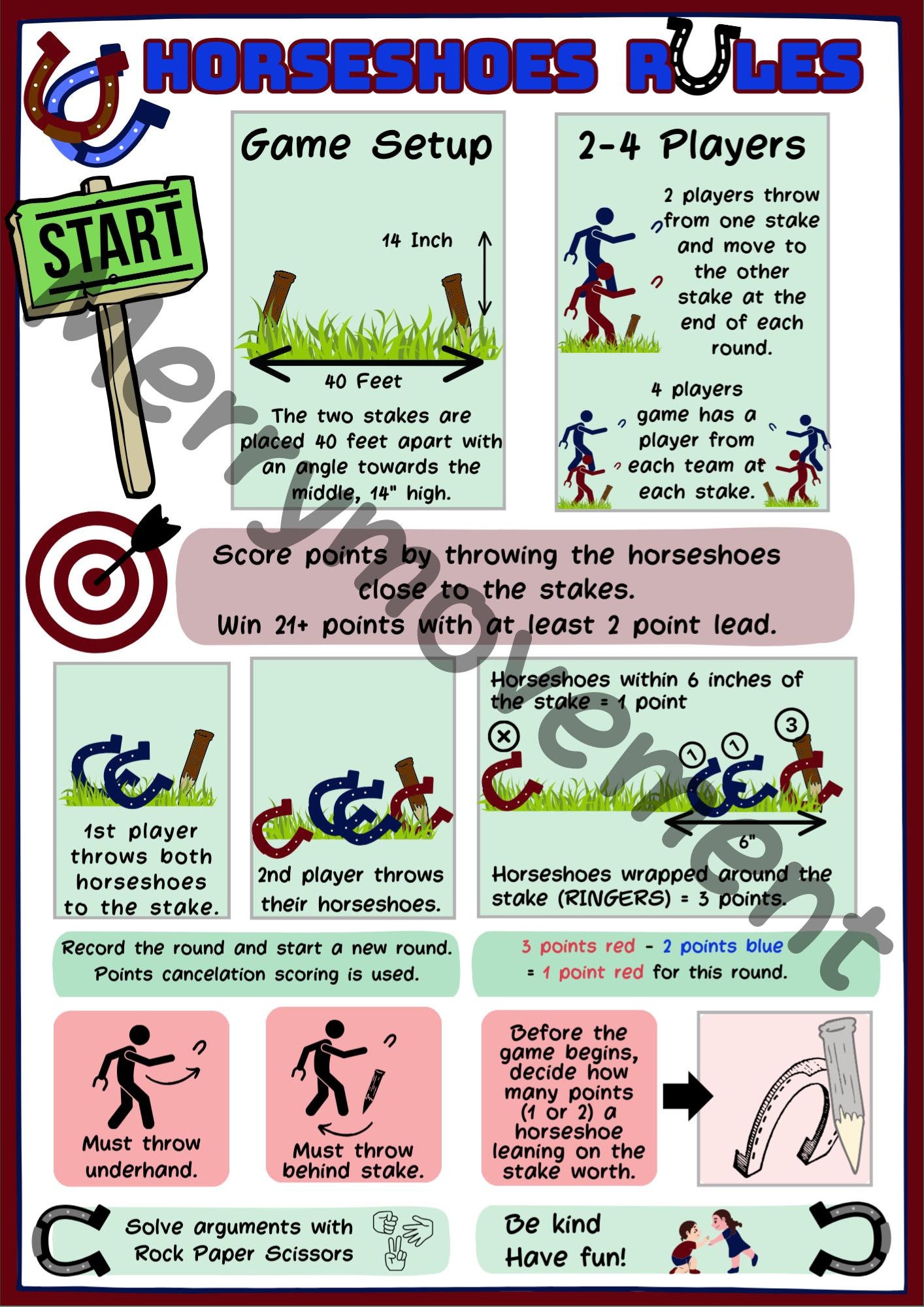
An official horseshoe court requires two stakes to be precisely 40 feet apart. These stakes should be 1 inch in diameter, extend 15 inches above the ground, and lean 3 inches forward towards the opposing stake. For casual play or junior players, a 30-foot distance is commonly used. Accurate setup ensures fair and consistent gameplay for all participants.
How do you score points in horseshoes?
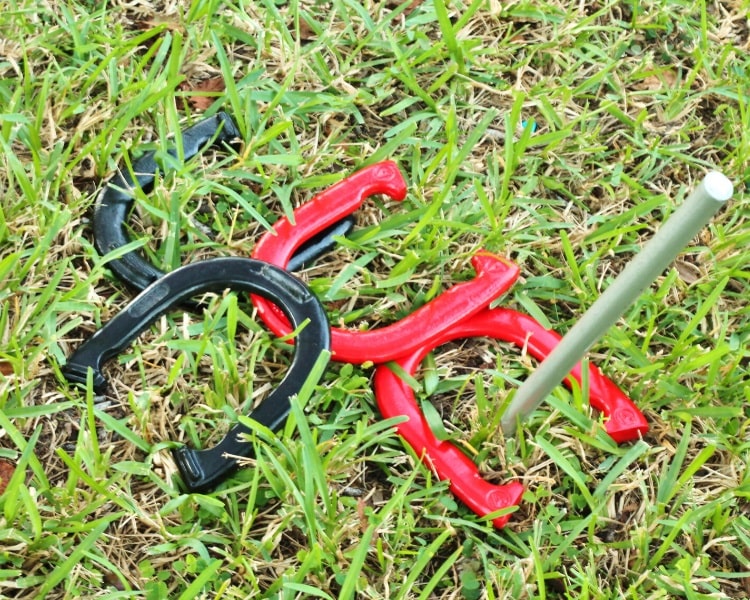
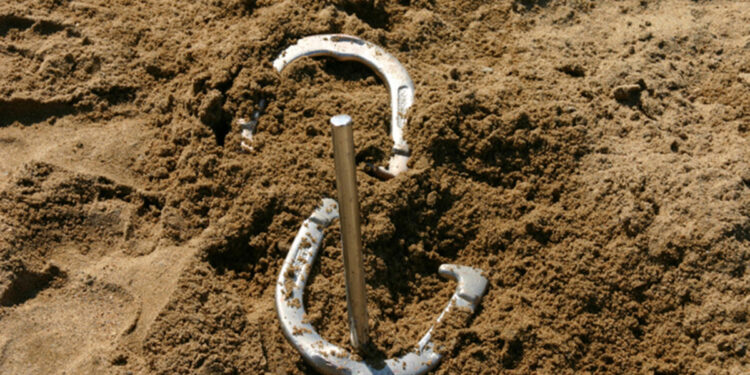
Scoring in horseshoes is straightforward: a ringer (shoe encircling the stake) earns 3 points. If no ringers are thrown, the shoe closest to the stake within 6 inches gets 1 point. Leaners, where the shoe rests against the stake, are typically 1 point but can vary by house rules. Only one player or team scores per round, with ringers canceling out opposing ringers.
What's the best way to throw a horseshoe for accuracy?
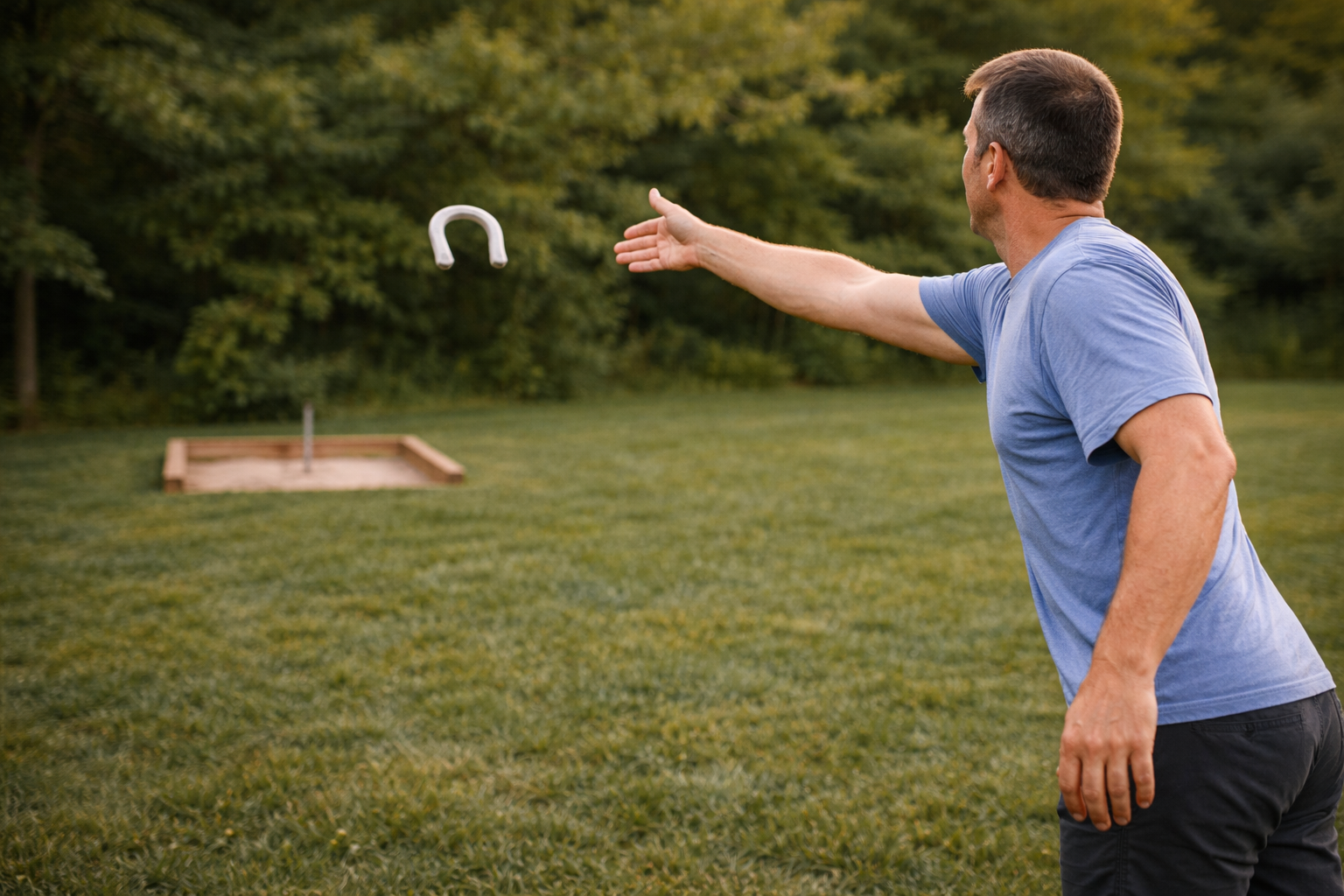
For accuracy, consistency is key. Find a comfortable grip (many prefer a one-and-a-quarter turn or a simple flip grip). Maintain a balanced stance, focus on the stake, and use a smooth, pendulum-like arm swing with a consistent release. Avoid over-powering the throw; finesse and repetition are more important for hitting your target.
What equipment do I need to play horseshoes?
To play horseshoes, you need four official horseshoes, typically two pairs of different colors, and two steel stakes. The stakes should be around 1 inch in diameter. Optional equipment includes a pitching box area (often sand or clay) and foul lines, which enhance the playing experience and adherence to official rules.
What are common beginner mistakes in horseshoes and how to fix them?
Beginners often rush their throw, use an inconsistent grip, or have a poor follow-through. To fix these, slow down and focus on a repeatable pre-pitch routine. Practice a consistent grip and stance, ensuring your arm swings smoothly towards the stake. Start at a closer distance to build confidence before moving back to the official 40 feet.
How can I improve my ringer percentage? (Tips & Tricks)
Improving your ringer percentage requires consistent practice. Focus on perfecting your chosen grip and release, ensuring a stable, controlled flight. Practice at varying distances, and consider drills that emphasize rhythm and smooth rotation. Visualizing the ringer before each throw can also mentally prepare you for success, building crucial muscle memory.
What are some advanced strategies for competitive horseshoes? (Strategy Guide)
Advanced strategies include defensive pitching to knock off an opponent's ringer or block the stake. Understanding the wind and court conditions for subtle adjustments is vital. Developing different throw types (soft, hard, high arc) allows versatility. Psychological play, like maintaining focus under pressure, also differentiates top players, making it a mental game.
Are there any
Ever wondered how to truly master the classic game of horseshoes, transforming casual tosses into satisfying ringers? You're certainly not alone in that quest! This timeless outdoor activity is more than just luck; it involves skill, strategy, and a bit of technique. We're going to dive deep into everything you need to know, from setting up your court to throwing with precision and scoring like a pro.
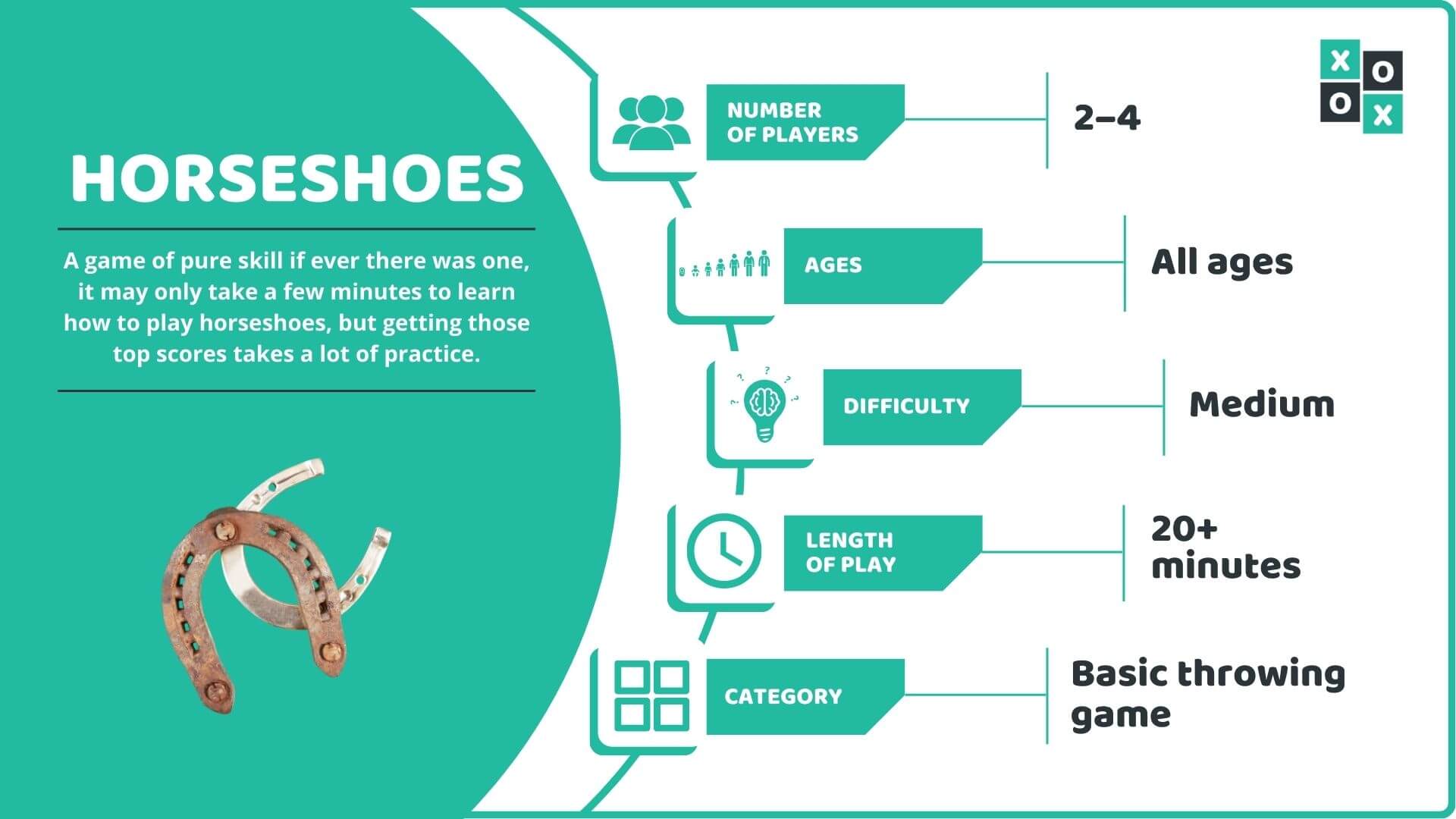
Horseshoes is a fantastic choice for backyard fun, providing simple, competitive enjoyment for all ages. It's truly a perfect addition to any outdoor event, bringing people together effortlessly. As a quintessential form of outdoor recreation, horseshoes can be enjoyed almost anywhere with a bit of space, like parks, campgrounds, or your own backyard. It requires minimal setup and is always ready for action. Wondering who can play horseshoes? It is an amazing family friendly game, inviting grandparents, parents, and kids to participate, fostering friendly competition and creating cherished memories. When you're ready to step up, consistent practice focusing on grip, stance, and a smooth release is key to developing competitive pitching skills and improving your ringers. This comprehensive guide is designed to help you elevate your game.
Setting Up Your Horseshoes Court Correctly
Getting your court right is the first crucial step to an authentic horseshoes experience. The official rules specify precise measurements for a fair and competitive game. Understanding these dimensions ensures you are playing by the book and practicing under realistic conditions.
Court Dimensions and Equipment
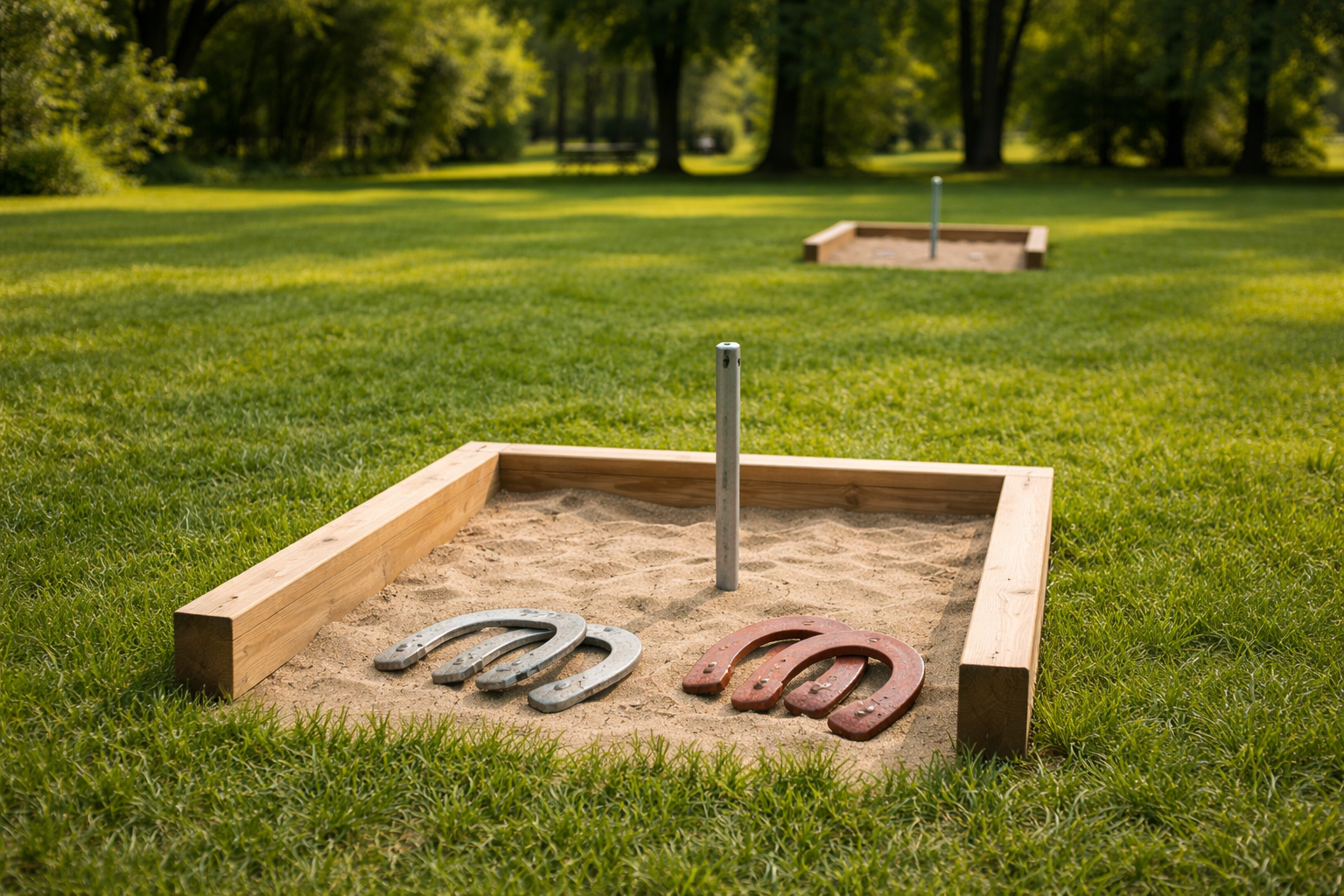
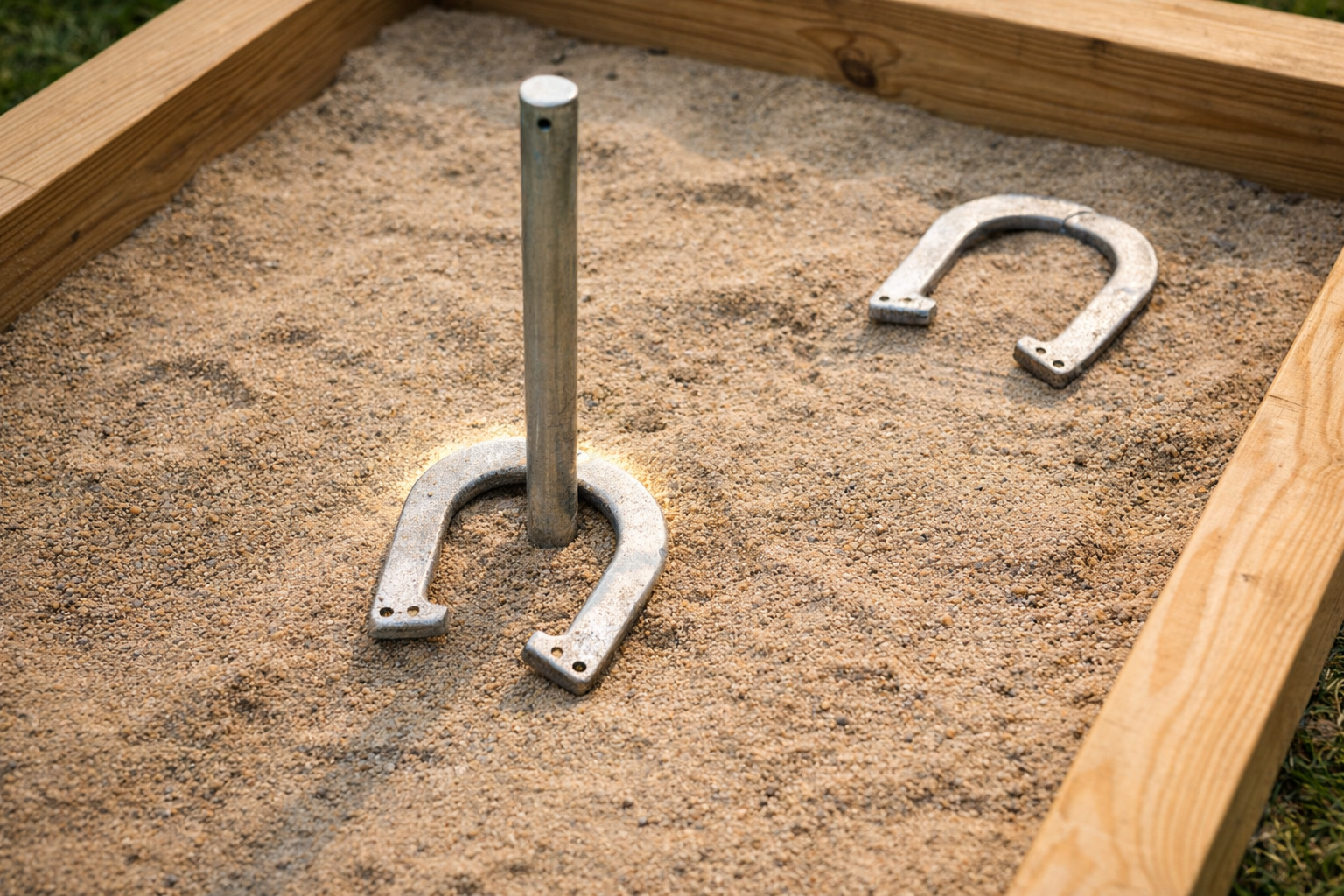
An official horseshoes court requires two stakes driven into the ground, exactly 40 feet apart. For junior players or those just starting, a shorter distance of 30 feet is often recommended. Each stake should extend about 15 inches above the ground and lean slightly forward, about three inches toward the opposing stake. You will also need four horseshoes, usually two pairs of different colors for easy identification between players or teams. Ensuring your stakes are firmly planted prevents wobbly targets and frustrating interruptions during play. It really makes a difference for consistent practice.
- Stakes: Two steel stakes, 1 inch in diameter, 40 feet apart (30 feet for shorter games).
- Height: Stakes should be 15 inches above ground.
- Lean: Stakes should lean 3 inches towards the opposing stake.
- Horseshoes: Four official horseshoes, typically two sets of distinct colors.
Mastering the Basic Throwing Techniques
The art of throwing a horseshoe isn't just about strength; it's about technique, consistency, and a little bit of finesse. There are several popular grips and throwing styles, each with its proponents and advantages. Finding what works best for you will come with practice.
Common Grips and Stances
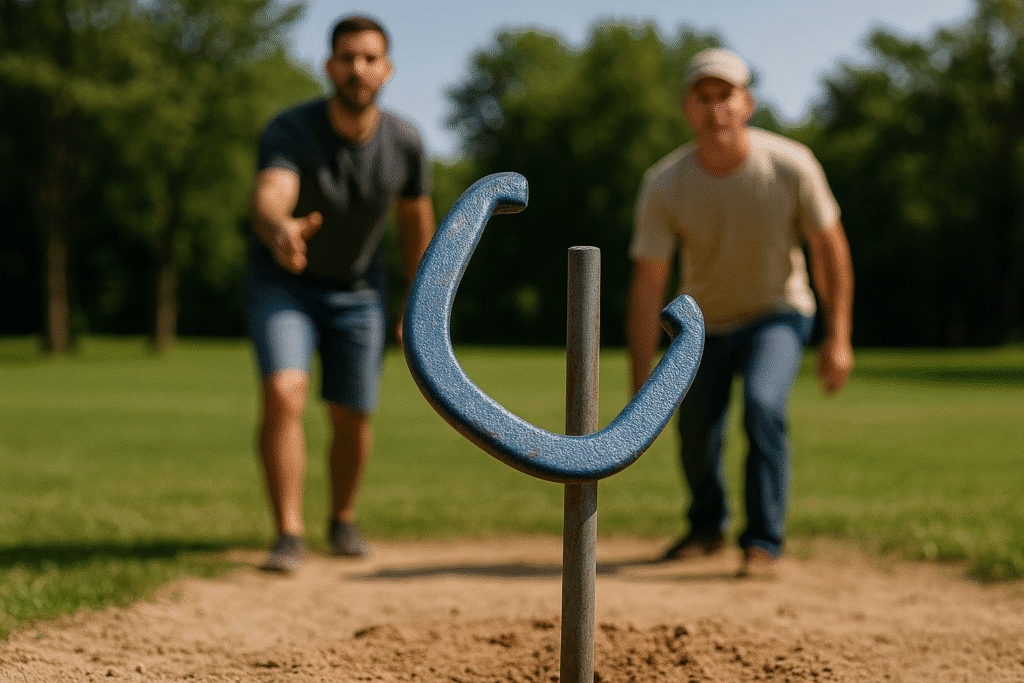
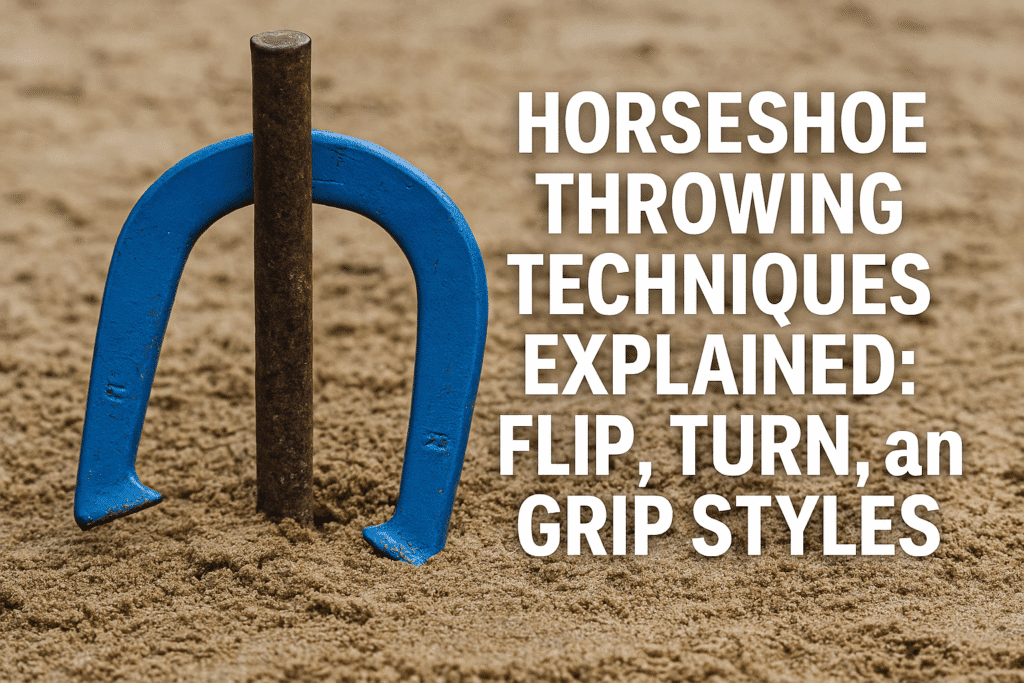
Most players begin with either a one-and-a-quarter turn grip or a flip grip. The one-and-a-quarter turn involves holding the shoe with the open end facing away from you, rotating it one and a quarter times as it flies to land open around the stake. The flip grip is simpler, with the shoe flipping end over end. Your stance should be comfortable and balanced, typically with your non-throwing foot forward, directly facing the stake. A fluid arm swing, much like bowling, is essential for accuracy. Remember, consistency in your setup often translates directly to consistency in your throws, so find a rhythm that feels natural.
Scoring Points and Winning the Game
Understanding the scoring system is fundamental to playing horseshoes effectively and knowing when to adjust your strategy. It’s not just about getting close; specific plays yield specific points, and ringers are the ultimate goal.
Official Scoring Rules Explained
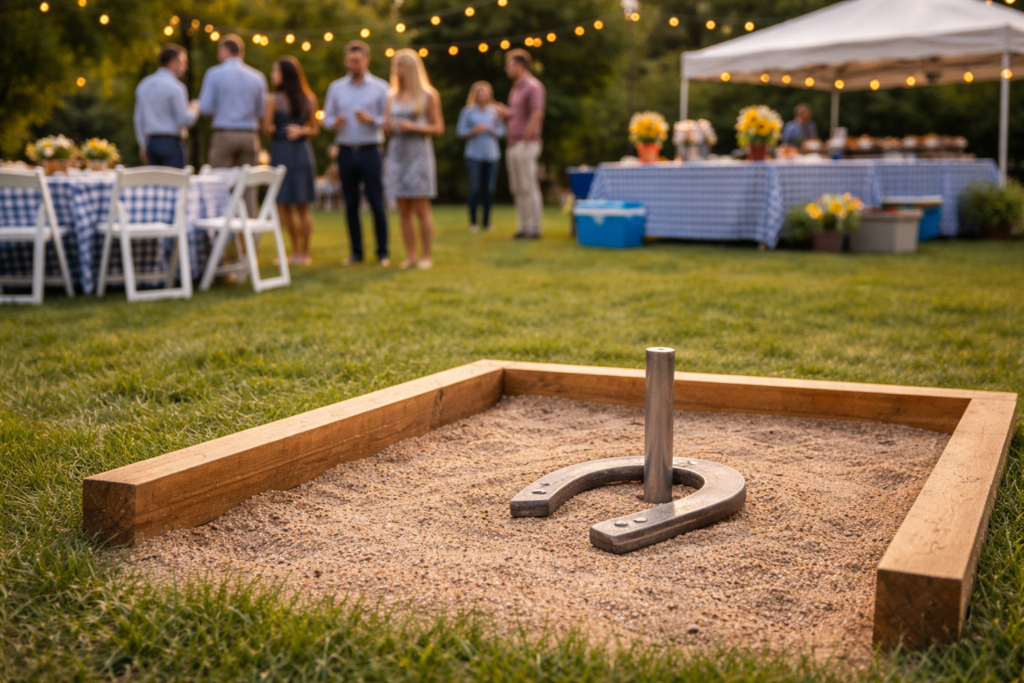
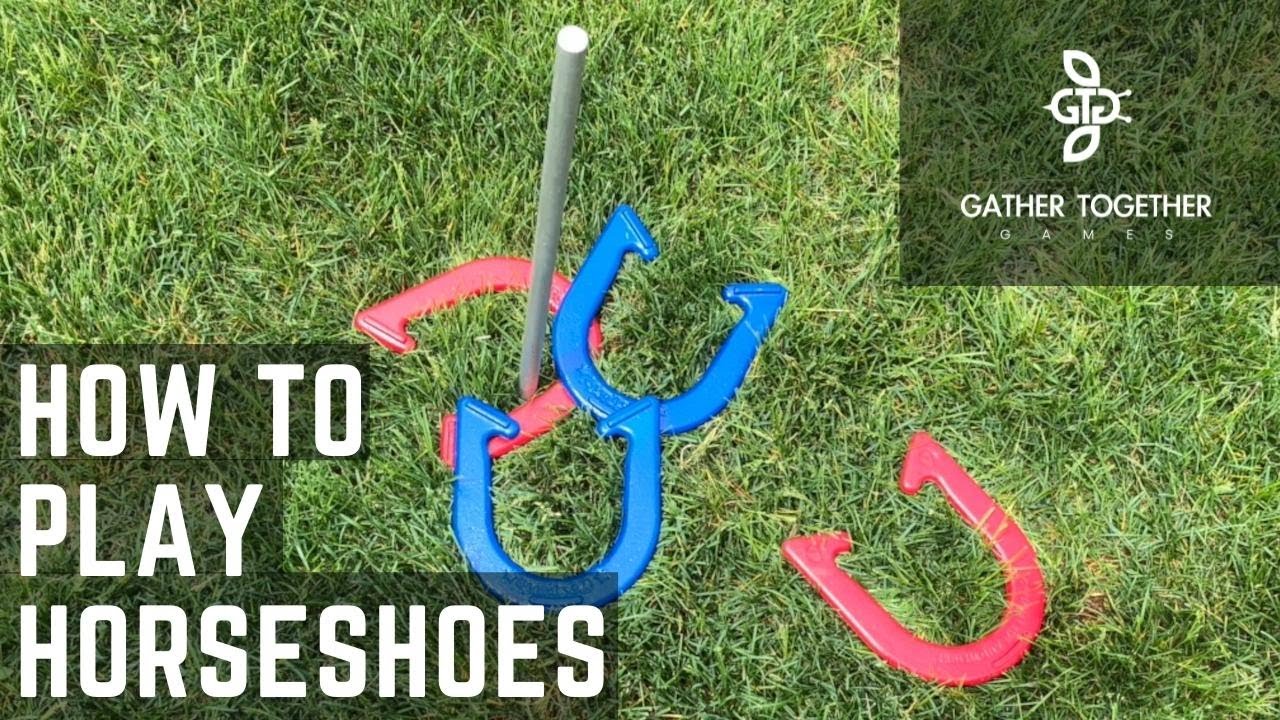
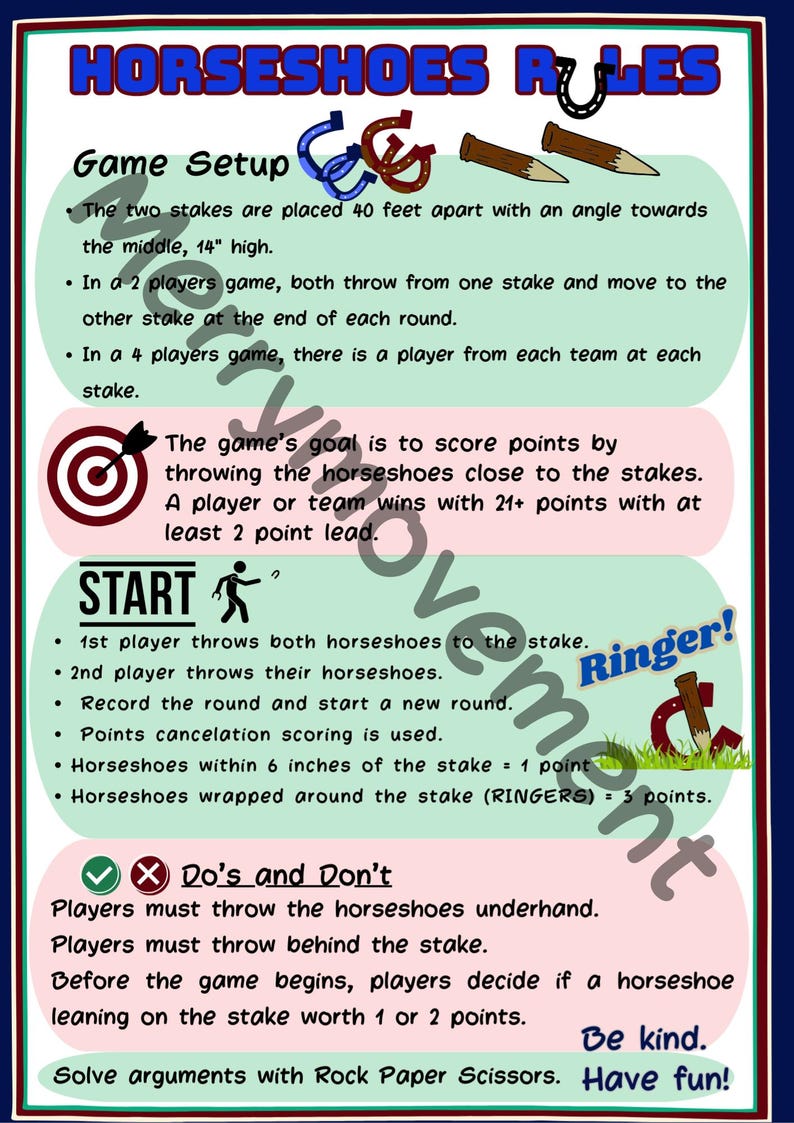
Points are awarded based on how close your horseshoe lands to the stake. A ringer, where the shoe encircles the stake, is worth 3 points. A lean, where the shoe rests against the stake, is typically worth 1 point. If no ringers or leans occur, the closest shoe to the stake within six inches earns 1 point. Only one player can score per round; points are awarded to the player with the best shoe or shoes. Games are usually played to 21 points, though many casual games simply play to a predetermined number. Always ensure both players agree on the scoring rules before starting to avoid any disputes.
- Ringer: 3 points (shoe completely encircles the stake).
- Leaner: 1 point (shoe rests against the stake).
- Closest: 1 point (shoe within 6 inches of the stake, closest of all).
- Cancellation: Ringers and points cancel out if both players achieve the same score.
- Game End: First player to reach 21 points (or agreed-upon target) wins.
Advanced Strategies for Competitive Play
Once you've mastered the basics, you can start incorporating more advanced strategies into your game. This involves not just throwing well but thinking several steps ahead, much like a game of chess.
Mind Games and Defensive Throws
Experienced players often employ defensive throws, trying to knock an opponent's ringer off the stake or position their own shoes in a way that blocks access to the stake. Understanding the wind, sun, and ground conditions can also give you an edge. Sometimes, a well-placed 'shoe that isn't a ringer but makes it harder for your opponent to score is more valuable than a desperate attempt at a ringer that goes wide. Developing a repertoire of throws, including soft pitches and hard pitches, allows for greater adaptability. Knowing your opponent's strengths and weaknesses can inform your strategy, allowing you to exploit opportunities and protect your lead.
The Social Aspect and Fair Play
Beyond the competition, horseshoes is deeply rooted in camaraderie and sportsmanship. It's a game that brings people together, fostering friendly banter and shared enjoyment. Maintaining a respectful and fun atmosphere is just as important as winning.
Etiquette and Enjoyment
Always wait for your opponent to finish their turn and retrieve their shoes before you throw. Avoid distracting others during their pitch. Congratulate good throws and maintain a positive attitude, regardless of the score. Remember, horseshoes is a game that thrives on its social element. The best games are those where everyone has fun, laughs are shared, and the competition is friendly. Encouraging beginners and sharing tips can enhance everyone's experience. It’s about creating lasting memories around the stake.
Beginner / Core Concepts
1. Q: What are the absolute must-know rules to start playing horseshoes without getting totally lost?A: This one used to trip me up too, but it's simpler than it seems! The core idea is to pitch horseshoes at a stake 40 feet away, or 30 feet for casual play. You score points by getting your shoe to 'ring' the stake, called a ringer (3 points), or by landing closest to it within six inches (1 point). Only one player scores per round, and if both get ringers, they cancel out – which is a huge part of the strategy. It's really about consistency and aiming. You've got this, just focus on a smooth release!2. Q: How do I even set up a basic horseshoes court in my backyard without needing an engineering degree?A: I get why this can seem intimidating, but setting up a backyard court is surprisingly easy, truly! You just need two stakes, typically 1-inch diameter steel, pounded firmly into the ground 40 feet apart (or 30 feet for a more relaxed game). Each stake should stick out about 15 inches from the ground and lean slightly forward, maybe 3 inches towards the opposing stake. Clear the area around each stake so you have a nice, safe pitching box, usually 3 by 6 feet. That's it! No fancy tools required, just some measuring tape and a hammer. You'll be pitching in no time!3. Q: What's the best way to hold a horseshoe so it actually flies straight and doesn't just flop?A: Ah, the grip! This is where many beginners struggle, and I totally understand. The key is finding a grip that feels natural for your hand and allows for a consistent release. A popular starter grip is the 'one-and-a-quarter turn' grip, where you hold the shoe with the open end pointing away from you, and it spins one and a quarter times in the air. Another common one is the 'flip' grip, where the shoe just tumbles end-over-end. Experiment! Hold it like a suitcase handle, or like you're shaking hands. The goal is to keep your wrist firm but not stiff, letting the shoe do the work. Practice makes perfect, you'll find your sweet spot!4. Q: My throws always go wild, what's a simple technique to improve my aiming and get closer to the stake?A: I hear you, wild throws are so frustrating! This used to trip me up constantly. The trick isn't necessarily power, but consistency and a smooth release. Think of it like a pendulum swing. Stand comfortably, focus on the stake, and keep your eyes fixed on it throughout your swing. Your arm should move smoothly forward, like you're gently tossing a frisbee, not violently throwing a baseball. Try to keep your body still and let your arm do the work. Don't overthink it, just focus on that smooth, consistent motion. Try this tomorrow and let me know how it goes; you'll see a difference!Intermediate / Practical & Production
1. Q: When should I aim for a ringer, and when is it better to just try for a 'closer' shot?A: This is a fantastic strategic question, and it's where the game gets really interesting! Aiming for a ringer (3 points) is always the ultimate goal, especially if you're behind or want to put pressure on your opponent. However, if your ringer accuracy isn't consistent yet, or if your opponent already has a ringer, a 'closer' shot (1 point) can be a smart defensive play. A well-placed 'closer' can knock off an opponent's ringer or simply ensure you get points if no ringers are thrown. It's a calculated risk, a bit like knowing when to hit or stay in blackjack. Consider the score, your opponent's last throw, and your confidence in that specific pitch. You've got to trust your gut and your practice.2. Q: How do I adjust my throw for different weather conditions, like wind or uneven ground?A: Oh, external factors can totally throw off your game, I get why this is a concern! Wind, especially, can make a huge difference. If there's a headwind, you'll need a little more power or a slightly higher arc to compensate, while a tailwind might require less. Crosswinds mean adjusting your aim slightly into the wind, letting it push the shoe back on target. Uneven ground means you might need to adjust your stance or the release point slightly to maintain a level throw. It's all about observation and subtle compensation. Don't be afraid to take a practice toss to feel out the conditions. This is where experience really pays off; you'll develop an intuition for it!3. Q: My opponent keeps knocking my ringers off the stake! How can I defend my lead or counter their defensive play?A: Ugh, the classic ringer-knock-off! I get why this frustrates so many people; it's a truly clever, albeit annoying, defensive tactic. The best counter is often to throw a second ringer if you can, effectively 'capping' your first one and making it harder for them to remove both. Alternatively, if your accuracy is good, you can try to land a shoe just in front of the stake, blocking their access. Sometimes, it's about being unpredictable too; don't always throw the same way. Keep them guessing! It's a mental game as much as a physical one, so stay calm and focus on your next best throw. You've got this!4. Q: What are some common mistakes intermediate players make, and how can I fix them?A: This one used to trip me up too, identifying those subtle mistakes! A big one is rushing the throw – trying to get it over with instead of executing a smooth, deliberate motion. Another is inconsistent grip or stance, which makes every throw feel like starting from scratch. Many also forget to follow through, cutting their arm swing short. To fix these, slow down. Seriously. Focus on a repeatable routine before each pitch. Practice holding your stance, swinging through, and letting your arm follow the horseshoe towards the stake. Record yourself if you can; it's amazing what you'll notice. Small adjustments often lead to big improvements!5. Q: Are there any specific practice drills I can do to improve my ringer percentage quickly?A: Absolutely, targeted practice is key to boosting those ringers! I get why everyone wants a quick path to improvement. One great drill is the '20-foot challenge': set up a temporary stake at 20 feet and aim for ringers, focusing purely on form and consistency without the pressure of distance. Once you're consistently getting ringers there, move back gradually. Another is 'alternating throws': pitch one shoe with your standard grip, then the second with a slightly different variation, noting which feels more consistent. The goal is muscle memory, so repetition of correct form, even at a closer distance, is your best friend. Keep at it, you'll start hearing that satisfying clang more often!6. Q: What's the etiquette for playing horseshoes in a public park or at a casual gathering?A: This is super important for keeping the fun going and avoiding awkward moments! When playing in public or at a gathering, always make sure the area around your court is clear and safe for bystanders – horseshoes can fly! Wait until your opponent has retrieved their shoes before you pitch, and never walk in front of someone who's actively throwing. Good sportsmanship means no distracting noises or movements when someone is in their wind-up. And hey, a little friendly banter is great, but keep it light and positive. The goal is always to have a good time, not just to win. You've got this, be the awesome player everyone wants to play with!Advanced / Research & Frontier
1. Q: What are the official tournament rules and how do they differ from casual backyard play?A: I get why understanding tournament rules can feel like deciphering ancient texts, but they're crucial for competitive play! Official tournament rules are much stricter than backyard games. You'll typically use specific, certified shoes, and the court dimensions are absolute (40 feet). Scoring is precise: 3 points for a ringer, 1 for closest, and only the closest counts within six inches, with cancellation always in effect. There are also specific rules about foot fouls (not stepping over the foul line), delays, and sometimes even dress codes. It's a much more formalized environment focused on fair competition. If you're serious about competing, learning the NHPA (National Horseshoe Pitchers Association) rules is your next big step!2. Q: Beyond basic grip, how do top players achieve such consistent spin and control on their shoes?A: This is where the true artistry of horseshoes comes in, and I completely understand the fascination with elite control! Top players often spend years refining their 'release point' and 'wrist snap.' It's not just about the grip, but how the shoe *leaves* the hand. They create a consistent spin that stabilizes the shoe in flight, much like a quarterback throwing a spiral. Some use a slight wrist flick at the very end of their follow-through to impart a precise rotation. It’s a very subtle dance between forearm rotation and finger pressure. Analyzing slow-motion videos of pros can reveal these tiny nuances. It's a journey of continuous refinement, and you're already thinking like a pro by asking this!3. Q: What's the psychological aspect of horseshoes? How do pros handle pressure throws and maintain focus?A: Oh, the mental game in horseshoes is absolutely huge, just like in any high-level sport! I get why this interests so many; it’s not just about physical skill. Pros develop incredible focus by having a consistent pre-pitch routine – a few deep breaths, visualizing the ringer, and clearing their mind. They learn to 'block out' distractions and focus solely on their mechanics. Handling pressure comes from confidence built on thousands of practice throws; they trust their muscle memory. They also practice mindfulness and positive self-talk, even after a bad throw, quickly resetting for the next one. It's about resilience and mental discipline as much as anything. You're already ahead by recognizing its importance!4. Q: Are there different types of horseshoes optimized for specific throwing styles or conditions?A: That's a super insightful question that shows you're thinking like an advanced player! Absolutely, not all horseshoes are created equal. You'll find shoes with different weights, balances, and even 'hooks' or 'lugs' on the sides, designed to enhance certain throwing styles. For example, some shoes are heavier on one side to aid a flip throw, while others are more balanced for a turn throw. There are also shoes with different textures for better grip, or slightly softer metals to reduce bounce. It's a bit like choosing a golf club or a bowling ball; what works best is highly personal. Experimenting with different shoe types can unlock new levels of consistency for your specific technique.5. Q: What are the cutting-edge training techniques or tools that high-level players are using to stay sharp?A: This is a fantastic question about the 'frontier' of horseshoes! While it might seem traditional, even horseshoes sees innovation. High-level players aren't necessarily using high-tech gadgets, but they're employing very deliberate, data-driven practice. This includes using slow-motion video analysis to break down their own throws, identifying minute inconsistencies in grip, release, or follow-through. They also focus on targeted strength and conditioning, particularly for core stability and arm control, to prevent fatigue and maintain form. Some even use weighted training horseshoes to build strength, or practice with a specific 'ringer' target to simulate pressure. It's about meticulous self-analysis and consistent, smart practice. You're looking at continuous improvement, and that's the spirit of a true competitor!Quick Human-Friendly Cheat-Sheet for This Topic
- Find Your Grip: Don't stress too much about the 'perfect' grip; experiment with a few (like the one-and-a-quarter turn or a simple flip) until one feels natural and consistent.
- Focus on Smooth: Forget power! A smooth, pendulum-like arm swing and a consistent release are way more important for accuracy than trying to heave the shoe.
- Eyes on the Prize: Keep your eyes fixed on the stake throughout your entire throw, from the backswing to the follow-through. It's like a laser focus!
- Know Your Points: Ringers are 3 points, closest within 6 inches is 1 point. Ringers cancel each other out, so sometimes a good 'closer' is better than a wild ringer attempt.
- Practice Smart: Shorten the pitching distance initially to build confidence and muscle memory for your form. Gradually move back as your accuracy improves.
- Embrace the Outdoors: Horseshoes is about having fun outside! Don't let a bad throw ruin your enjoyment. Laugh it off, learn from it, and try again.
- Respect the Game: Always be mindful of your surroundings, wait your turn, and avoid distracting others. Good sportsmanship makes the game better for everyone.
Horseshoes game rules, official court dimensions, throwing techniques, scoring methods, backyard fun, competitive pitching, family friendly games, outdoor recreation.
35


The Ultimate Guide To Setting Up A Horseshoe Game Horseshoes ChatGPT Image Mar 27 2025 07 01 55 AM 683x1024 . How To Play Horseshoes Rules Strategy Tips Reventals Event Rentals ChatGPT Image Mar 18 2026 10 46 43 AM . Play Horseshoes Learn Compete Celebrate The Game Competitive Horseshoe Players Throwing 1024x683 . How To Play Horse Shoe Game At Robert Scalia Blog Cntv 210414 S03 Ep110 Lets Play Horseshoes 17 Cn 084 Rv1 Thumbnail . Horseshoes Game Rules Sign How To Play Horseshoe Poster Horseshoes


How To Play Horseshoes Rules Strategy Tips Reventals Event Rentals ChatGPT Image Mar 18 2026 11 24 34 AM 1024x683 . How To Play Horseshoes YouTube . Printable Horseshoe Rules Il Qaxa . How To Play Horseshoes Rules Scoring Strategy Horseshoes ChatGPT Image Mar 27 2025 07 02 05 AM 300x200 . How To Play Horseshoes For Beginners Rules And Scoring Play Horseshoes Rules Pin 683x1024


Horseshoes Game Rules Sign How To Play Horseshoe Poster And Score Board Original 12545606 1 . Horseshoe Game Rules Printable How To Throw A Horseshoe Properly Horseshoes Setup . Printable Horseshoe Rules Il Augj . Horseshoes Game Rules Sign How To Play Horseshoe Poster And Score Board 500. Horseshoe Game Rules How To Play Horseshoe Group Games 101 Horseshoes Game Info


For Beginners How To Play Horseshoes Like A Pro Horseshoes ChatGPT Image Apr 9 2025 11 46 22 AM 1024x683 . Horseshoe Game Scoring Horseshoes Game Horse Shoe Cast Iron Stock Horseshoes Points . How To Play Horseshoes Rules Strategy Tips Reventals Event Rentals ChatGPT Image Mar 18 2026 11 03 07 AM . How To Play Horseshoes Horseshoe Game Horseshoe Play . Horseshoe Game Rules How To Play Horseshoe Group Games 101 Screenshot Of How To Play HorseShoes Google Drive 1 1024x673



How To Play Horseshoes For Beginners Rules And Scoring Horseshoes Set . Horseshoe Game Rules Printable How To Throw A Horseshoe Properly . How To Play Horseshoes For Beginners Rules And Scoring Horseshoe Rules Quick Guide . Horseshoes Rules How To Play Scoring Strategy Tips Image 42 1. 5 Best Horseshoe Game Sets 2026 Guide Horseshoe Game Sets Pin


How To Play Horseshoes Rules Strategy Tips Reventals Event Rentals ChatGPT Image Mar 18 2026 10 51 17 AM . How To Play Horseshoes Rules Scoring Strategy Horseshoes Horseshoe Throwing Techniques Featured 1024x683 . Horseshoes Rules How To Play Scoring Strategy Tips Image 313 . How To Throw A Horseshoe Grips Stance And Swing 2026 Own The Yard . Horseshoes Game Rules Poster And Score Sheet How To Play Horseshoes Il O1pv



How To Play Horseshoes Horseshoes Game Rules Image8 5cacf0f4 C8db 431d 8e9e . How To Play Horseshoes Rules Strategy Tips Reventals Event Rentals ChatGPT Image Mar 18 2026 11 14 19 AM . Horseshoe Scoring Rules Explained Horseshoes A Photograph Captures A Horseshoe Accurately Encir 1024x683 . How To Play Horseshoes TechStory 750x375 . How To Play The Game Of Horseshoes Set Up Directions