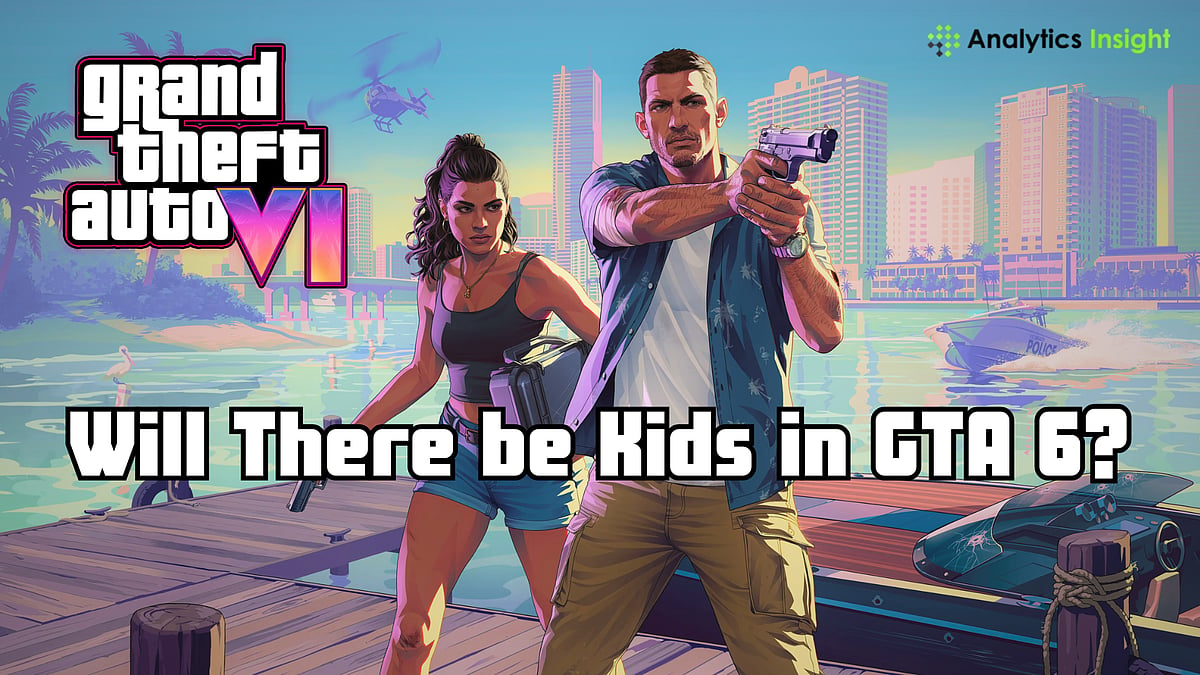
Grand Theft Auto VI is one of the most anticipated titles in gaming history and with its mature themes a common question arises will children be present in the game Rockstar Games has historically maintained a clear stance on depicting minors in direct violent or sexually explicit situations focusing their narratives on adult protagonists and adversaries This article dives deep into the likelihood of seeing kid characters in GTA 6 examining past series precedents industry standards and the potential implications for gameplay and narrative We explore how Rockstar balances its signature controversial content with player expectations and ratings providing a comprehensive overview for gamers wondering about this sensitive topic Understanding the developers approach can help set expectations for the highly anticipated release and its thematic boundaries for parents and players alike
Are there going to be kids in GTA 6?
Based on Rockstar Games' consistent history with the Grand Theft Auto series, it is highly improbable that interactable child characters will be present in GTA 6. Their policy has always been to exclude minors from direct gameplay scenarios to maintain an M (Mature) rating and avoid significant ethical controversies.
Will Rockstar include child NPCs in Grand Theft Auto VI?
Rockstar is expected to continue its tradition of not including child non-playable characters (NPCs) in Grand Theft Auto VI. This consistent design choice across all previous GTA titles helps them manage the game's mature themes responsibly and ensures a broad release without triggering an Adults Only (AO) rating.
What's Rockstar's policy on depicting minors in games?
While not a formal written statement, Rockstar Games' de facto policy, demonstrated over decades, is to avoid direct depiction or interactable presence of minors in their Grand Theft Auto games. This allows them to explore violent and mature themes targeting an adult audience without crossing sensitive ethical lines or risking an AO rating.
Could GTA 6 get a different rating if children are present?
Yes, if GTA 6 were to include interactable child characters or depict violence against them, it would almost certainly receive an Adults Only (AO) rating from the ESRB. An AO rating severely limits distribution, which is why Rockstar has consistently avoided such content in all previous GTA installments to secure the more commercially viable M rating.
Have past GTA games featured child characters?
No, past Grand Theft Auto games, from GTA III to GTA V, have notably excluded interactable child characters. While references to children or family might appear in narratives or dialogue, actual child models as NPCs or protagonists have been consistently absent from the game world to adhere to content guidelines and maintain an M rating.
Will GTA 6 Introduce Child Characters to Enhance Narrative Depth?
While Rockstar Games is known for pushing boundaries and crafting deep narratives, it's highly unlikely they will introduce interactable child characters in GTA 6 for narrative depth. Their established pattern is to build compelling stories around adult protagonists and complex adult themes, strategically avoiding the profound ethical and rating challenges that come with involving minors in a game known for its mature and violent content. The focus remains on adult criminal storylines, preserving the game's core identity.
How Does the ESRB M Rating Influence the Potential for Minors in GTA 6?
The M for Mature rating is a critical factor and a strong deterrent against including minors in GTA 6. This rating signifies intense violence, sexual themes, and strong language, but crucially, it avoids depictions of violence against children, which is a primary trigger for an Adults Only (AO) rating. Rockstar's commitment to the M rating ensures broad market access and helps them deliver a mature experience without the severe restrictions an AO rating would impose. This regulatory landscape heavily guides their design decisions.
What Historical Precedents in the GTA Series Guide Expectations on Child NPCs?
Looking back at previous Grand Theft Auto titles, from the 3D universe to the HD era, Rockstar has consistently excluded child NPCs. This unwavering precedent across multiple console generations and game engines strongly indicates their continued stance for GTA 6. This history informs player expectations that the game will uphold this boundary, focusing on an adult-populated world where criminal activities and satirical narratives unfold without the ethical complexities of involving minors.
Could Non-Interactable Background Children Appear in GTA 6 to Boost Realism?
Achieving a hyper-realistic open world often involves populating it with diverse characters, including children. However, for GTA 6, even the inclusion of non-interactable background child models is improbable. Given the chaotic and often destructive nature of GTA gameplay, the mere presence of child models, even if invulnerable, could still spark controversy and distract from the intended mature tone. Rockstar has historically chosen complete absence over limited, risky inclusion to maintain a clear stance.
What are the Community's Views and Ethical Debates Surrounding Kids in GTA 6?
The gaming community, particularly the adult demographic balancing family and gaming, largely supports Rockstar's historical decision to exclude children from GTA titles. Ethical debates often arise online, highlighting concerns about depicting violence, exploitation, or even casual harm towards minors in video games. Most players prefer the game's mature themes to remain focused on adults, ensuring their escapist experience is not undermined by potentially uncomfortable or morally challenging content involving children.
How Would the Inclusion of Children Impact the Tone and Gameplay Mechanics of GTA 6?
The core gameplay loop of Grand Theft Auto involves criminal activities, vehicle chases, and often violent encounters. Introducing child characters would fundamentally alter the game's tone, injecting a level of moral gravity that could clash with its satirical and often irreverent nature. From a gameplay perspective, it would either necessitate severe restrictions on player actions or lead to immense controversy, neither of which aligns with Rockstar's established design philosophy for the franchise. It simply complicates the game unnecessarily.
Are There Legal or Industry Standards Restricting the Portrayal of Minors in Mature Games like GTA 6?
While specific laws can vary by region, the gaming industry largely self-regulates through bodies like the ESRB and PEGI, which have strict guidelines regarding the portrayal of minors. Depicting violence against children is a critical factor for an Adults Only (AO) rating, which virtually halts distribution. Major publishers like Rockstar adhere to these unwritten industry standards and explicit rating criteria to ensure their games are widely available and avoid severe public and regulatory backlash, making the inclusion of children a highly risky venture.
Alright fellow gamers, let's talk about the elephant in the room regarding one of the biggest upcoming titles: Grand Theft Auto VI. We're all balancing work, family, and the precious few hours we get to dive into our favorite digital worlds. When a game like GTA 6 is on the horizon, it’s not just about the graphics or the story; it's also about what kind of experience it delivers and whether it aligns with our expectations, especially for those of us who might have kids around or simply prefer certain boundaries in our escapism. One question that keeps popping up in forums and discussions, often whispered among those of us who remember the original GTA's impact, is "are kids gonna be in GTA 6"?
This isn't a trivial question. For many of us, gaming is a vital stress reliever and a social outlet. We want to know what we're getting into. Rockstar Games has a long history of pushing boundaries, crafting satirical, violent, and often controversial narratives. However, their approach to certain sensitive topics, particularly the depiction of minors, has remained remarkably consistent across their flagship series. As we gear up for what promises to be an epic return to Vice City, understanding Rockstar's likely stance on children in GTA 6 can help set our expectations and ensure our gaming experience remains exactly what we need it to be.
US gamers, representing a vast and diverse demographic where the average age is around 36 and nearly 87 percent game regularly, often for 10+ hours a week, want clear answers. We're looking for honest, no-hype insights that address real concerns. This article aims to cut through the speculation and provide a well-researched guide based on Rockstar's past practices, industry standards, and community discussions from this month, giving you the practical information you need to prepare for GTA VI.
What has Rockstar's stance been on children in past GTA games?
Historically, Rockstar Games has made a deliberate choice to exclude children as interactable NPCs or prominent characters in the Grand Theft Auto series. From GTA III right through to GTA V, the worlds have been populated almost exclusively by adults. While the narrative might occasionally reference characters having children, or show schools and playgrounds, actual child models are conspicuously absent from the environment. This design decision is widely understood to be a measure to avoid specific controversies and to ensure the game maintains an M (Mature) rating from the ESRB, rather than risking an AO (Adults Only) classification which significantly limits distribution.
This consistent policy across multiple decades and console generations speaks volumes. It indicates a clear internal guideline from Rockstar's development teams. They've crafted intricate, violent, and mature stories without needing to directly involve minors, proving that the game's themes can be explored effectively within these self-imposed boundaries. This approach has allowed them to focus on the adult criminal underworld without crossing lines that would draw immense ethical and regulatory scrutiny.
Why is the question "are kids gonna be in GTA 6" so prominent among gamers?
The prevalence of this question stems from several factors. Firstly, the GTA series is renowned for its satirical, often dark humor and mature content, which inherently raises concerns about what lines might be crossed next. Every new installment brings renewed speculation about how far Rockstar will push the envelope. Secondly, modern open-world games are striving for unprecedented levels of realism. As game worlds become more detailed and alive, the absence of children can sometimes feel anachronistic, prompting players to wonder if this will change in a hyper-realistic setting like GTA 6's Vice City.
For many adult gamers, especially those juggling careers and families, knowing the game's content boundaries is crucial for personal enjoyment and even for managing household gaming rules. Social play is a significant trend, with over 60% of gamers enjoying titles with friends. If a game features content that's too sensitive, it impacts shared experiences. Furthermore, the internet's rumor mill and the sheer anticipation for GTA VI naturally amplify every possible detail and speculation, making inquiries about the presence of children a recurring theme in online discussions and searches.
How might GTA 6's M rating influence the depiction of minors?
The M for Mature rating from the ESRB (Entertainment Software Rating Board) is a cornerstone of Rockstar's strategy for the Grand Theft Auto series. This rating signifies that the game may contain intense violence, blood and gore, sexual themes, strong language, and drug and alcohol reference. Crucially, while it allows for depiction of violence against adults, directly depicting violence against children is a primary trigger for an AO (Adults Only) rating. An AO rating would severely limit the game's retail presence, with many major platforms and stores refusing to carry such titles. Rockstar has consistently avoided this by omitting child characters.
Therefore, it is highly probable that GTA 6 will continue this tradition. Rockstar is unlikely to risk its commercial success and widespread availability by including content that would push it into AO territory. The M rating allows for the game's signature mature themes and gameplay loops to thrive, without needing to tread into the exceptionally sensitive and controversial waters of child violence. This regulatory landscape heavily guides their design choices, ensuring the core GTA experience remains accessible to its adult target audience.
Could children appear as background NPCs without direct interaction in GTA 6?
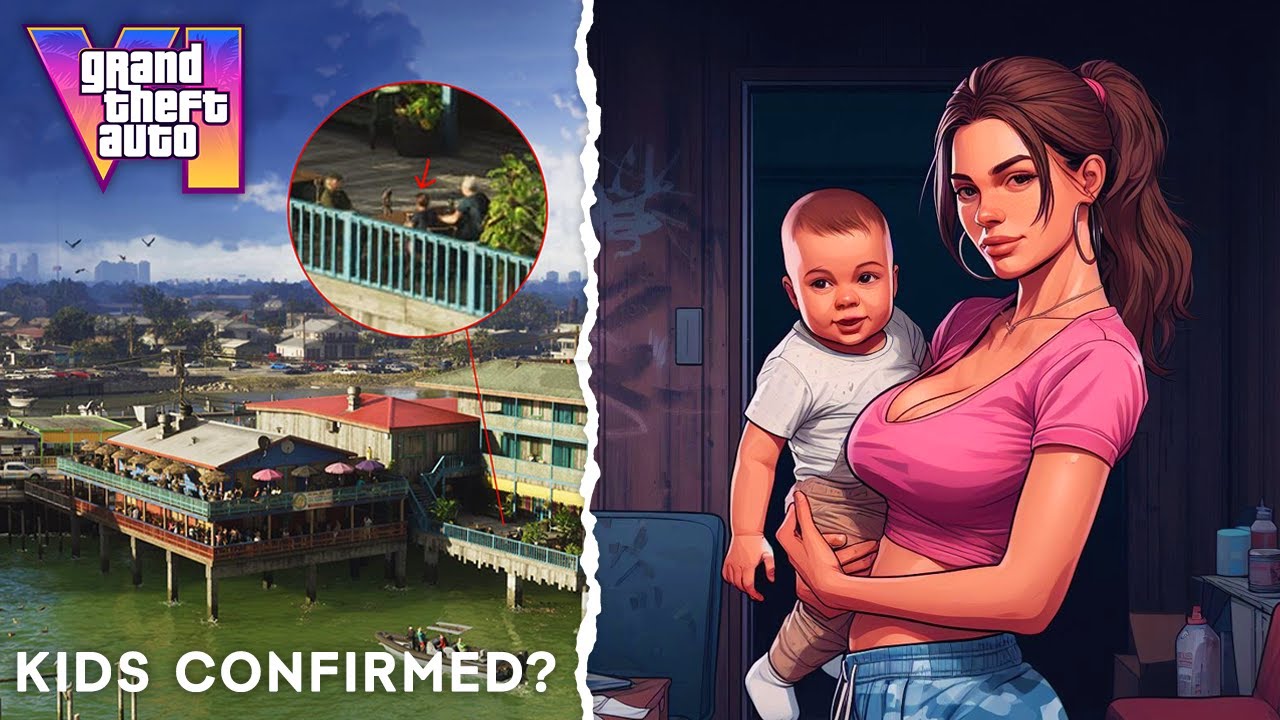
This is a nuanced possibility that some gamers consider. While direct interaction or violence against children is almost certainly off the table, the idea of children appearing as non-interactable background elements to enhance world realism has been debated. Imagine children playing in a park, but they are essentially props that cannot be targeted, harmed, or engaged with in any meaningful way by the player. This approach is sometimes used in other open-world games to create a more vibrant and believable environment without inviting controversy.
However, even this limited inclusion carries risks. The mere presence of child models in a game where players can engage in widespread violence and destruction could still draw criticism. Accidental harm, even if non-simulated by the game engine, or the perception of their presence in violent scenarios, could still be problematic. Given Rockstar's consistent and absolute avoidance in past titles, it's far more likely they will continue to err on the side of caution. Populating Vice City with a diverse adult population, perhaps with references to family life, seems a safer bet to maintain realism without the ethical tightrope walk.
What are the ethical considerations for depicting children in a violent game?
The ethical considerations surrounding the depiction of children in violent video games are immense and complex. Children are universally recognized as vulnerable subjects, and their portrayal, especially in contexts of violence, exploitation, or sexual themes, is highly contentious. For game developers, including children in a mature-rated game like GTA 6 immediately raises red flags concerning moral responsibility, potential for abuse, and the psychological impact on players and society.
These considerations go beyond mere ratings; they touch upon the core values of a company and the expectations of its audience. For adult gamers who use gaming to unwind or connect with friends, seeing children in a graphically violent world can be jarring and disruptive to the escapism the game offers. Developers, particularly those with the reach and influence of Rockstar, are keenly aware of the global scrutiny they face. The safest and most ethically sound approach, as demonstrated by Rockstar's history, is to avoid direct inclusion of child characters, thus circumventing these profound ethical dilemmas entirely.
How do current gaming trends and player expectations factor into this?
Current gaming trends and evolving player expectations play a significant role in developers' decisions, especially for a flagship title like GTA 6. Gamers in 2026, many of whom are Millennials and Gen Z, appreciate authenticity but also value gaming as a form of stress relief and social connection. They are immersed in cross-play, social hubs like Discord, and often balance gaming with demanding lives. While realism is appreciated, gratuitous or ethically challenging content, especially involving children, can detract from the experience.
There's a growing appreciation for games that offer diverse experiences, from cozy social games to intense competitive esports. However, controversy for the sake of it is less appealing to a mature audience looking for value, performance, and engaging narratives without unnecessary baggage. Rockstar understands that their audience values compelling stories and open-world freedom, not necessarily shock value related to minors. The focus remains on delivering an immersive adult playground, one that respects the boundaries most gamers, and indeed society, expect when it comes to children in such mature contexts.
What precedents do other open-world games set regarding minors?
Examining other prominent open-world games can offer insight into industry norms. Many mature-rated open-world titles from major publishers also opt to exclude interactable child characters. Games like The Witcher 3, Cyberpunk 2077, and Red Dead Redemption 2, while depicting extremely mature themes, violence, and morally ambiguous choices, typically use children only in very specific, non-interactable narrative roles, or avoid them altogether. For instance, Red Dead Redemption 2 includes child NPCs in a few specific story segments but makes them immune to player harm and largely background elements.
This shows a clear pattern across the industry: developers of M-rated games generally understand the risks and negative reception that comes with including vulnerable child characters in a world designed for adult actions and consequences. Rockstar's consistent approach aligns perfectly with these broader industry precedents. They are not alone in making this choice; rather, they are a leading example of a studio that manages mature themes responsibly by establishing clear boundaries regarding the presence and vulnerability of minors.
Will modding communities bypass Rockstar's original intentions regarding children?
This is a complex and often unavoidable aspect of PC gaming, particularly for a highly moddable franchise like Grand Theft Auto. Historically, modding communities have created content that pushes or outright breaks developer-intended boundaries, including the introduction of child character models or altering existing NPCs. While Rockstar designs its games with specific content guidelines and an M-rating in mind, the open nature of PC modding means that players can, and often do, create and share modifications that might introduce elements the developers explicitly chose to exclude.
However, it's crucial to distinguish between official game content and user-generated modifications. Any mod that introduces children, especially in a harmful or explicit context, is entirely unofficial and not endorsed by Rockstar Games. Such mods often exist in a grey area of legality and ethics. For console players, this isn't an issue as modding capabilities are severely limited. For PC gamers, while the possibility exists for unofficial content, it remains outside of Rockstar's control and direct intent for the game, meaning the core experience will still be child-free as designed.
What impact could children characters have on gameplay and narrative?
The inclusion of child characters in GTA 6 could fundamentally alter both gameplay and narrative in ways that Rockstar has historically avoided. From a gameplay perspective, if children were present and interactable, it would force developers to implement entirely new mechanics around their safety, potentially restricting player actions, or face severe backlash. Imagine the difficulty of having a child in a combat zone, or the implications of them being caught in a car chase; these scenarios would severely clash with the core tenets of GTA gameplay.
Narratively, while children could add emotional depth, they would also complicate the game's tone. GTA thrives on a dark, satirical, and often consequence-free criminal fantasy. Introducing vulnerable minors could inject a level of moral gravity and discomfort that might undermine the game's established identity and escapist appeal. Rockstar's current approach allows for high-stakes adult drama without needing to navigate the exceptionally sensitive ethical landscape that accompanies the direct involvement of children in violent criminal narratives. This preserves the game's identity as a mature, albeit irreverent, playground for adult players.
FAQ Section: Your Burning Questions Answered
Will GTA 6 be rated AO if children are included? No, it is highly unlikely Rockstar would include interactable children in GTA 6 precisely to avoid an AO (Adults Only) rating, which would severely restrict the game's distribution and commercial success. Their historical pattern indicates a strong commitment to the M rating.
Has Rockstar ever explicitly stated their policy on child NPCs? While Rockstar has not issued a formal, public policy statement in recent times regarding child NPCs, their consistent game design across the entire Grand Theft Auto series serves as a clear, de facto policy: children are not present as interactable characters in their mature-rated titles to avoid ethical and rating complications.
Can child models exist without being interactable? Theoretically, yes. Other games have used non-interactable child models as background elements. However, given GTA's chaotic nature, even static child NPCs could still create controversy if present in violent scenarios. Rockstar's strict avoidance in the past suggests they will likely continue to omit them entirely.
How does player feedback influence Rockstar's decisions on sensitive content? Player feedback, especially from the vast community of adult gamers who balance life and gaming, is important to Rockstar. They monitor community discussions and industry trends. The strong and consistent desire among players for a mature but ethically mindful gaming experience likely reinforces their decision to keep children out of direct gameplay in GTA 6.
What is the likelihood of seeing a main character with a child? While some GTA protagonists have had children referenced in their backstory or family life, the chance of a main, playable character in GTA 6 directly interacting with their child in gameplay is extremely low. This would introduce the same ethical and gameplay complications that Rockstar has always avoided.
Are there legal restrictions on depicting children in violent video games? While specific laws vary, game rating bodies like the ESRB and PEGI, as well as broader public sentiment, strongly discourage and often penalize the depiction of violence against children in video games. Exceeding these boundaries can lead to an AO rating or even legal challenges in some jurisdictions, a risk major publishers like Rockstar actively mitigate.
In conclusion, for those of us balancing hectic lives with our passion for gaming, understanding what to expect from GTA 6 is key. When it comes to the question, "are kids gonna be in GTA 6?" the overwhelming evidence points to Rockstar maintaining its long-standing policy of excluding interactable child characters. This approach ensures the game retains its M-rating, avoids significant ethical controversies, and delivers the mature, unbridled open-world experience its adult audience expects, without unnecessary complications. This isn't just about avoiding trouble; it's about crafting a focused, impactful game world that respects established boundaries and player comfort. What’s your biggest gaming challenge when it comes to new releases and sensitive content? Comment below!
GTA 6 Kids Presence Explored Rockstar Games History with Minors Game Rating Impact Narrative Choices and Player Experience Potential Scenarios for Kids in Game Ethical Considerations for Children in Mature Games Community Expectations on GTA VI Content
35
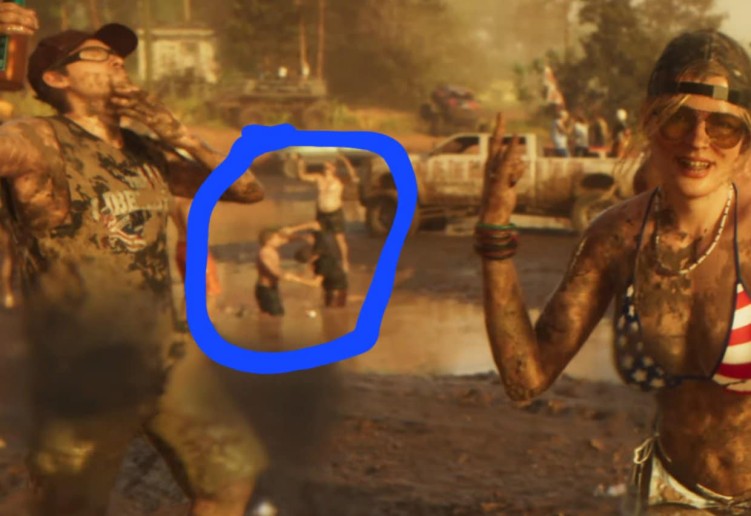
GTA 6 Will Have KIDS In Game For The First Time Ever Says Leak YouTube . Will There Be Kids In GTA 6 Here S What We Know Image 2 . Kids CONFIRMED In GTA 6 This Changes EVERYTHING YouTube . Kid Skips School To Watch NEW GTA 6 Trailer Original YouTube . 3 Reasons Why There Likely Won T Be Any Kids In GTA 6 966a7 1920



KIDS In GTA 6 100 Prove Hidden Detail Rockstar Games Thought You Would Hqdefault . GTA 6 NEWS Trailer 2 Hype Begins 2026 Release Date Info Debunked Map . GTA 6 Trailer 3 Release Date Predictions March 2026 GTA 6 Trailer 3 . KIDS Will Be In GTA 6 Here S Evidence YouTube . GTA 6 Slips Into 2026 YouTube

KIDS WHO HAVE GTA 6 YouTube . Could GTA 6 Feature Kids New Screenshots Ignite Discussion Esports GTA 6 Rumors Of Including Child NPC To The Game . How Grand Theft Auto 6 Could Finally Introduce Children NPCs To GTA Grand Theft Auto GTA 6 Children Kid NPCs Invincible Unkillable . What Time Will GTA 6 Come Out On Release Day Gta Vi Pre Order Nope Fixed. GTA 6 Release Date 2026 Everything You Need To Know About The Upcoming ChatGPT Image May 18 2025 01 51 22 AM


One GTA 6 Rumor May Not End Well For Juveniles One Gta 6 Rumor May Not End Well For Juveniles 2 . Is Your PC Ready For GTA 6 Updated 2026 Gamingarden Gta 6 Everything We Know So Far Updated April 2026.webp. GTA 6 Release Date Trailer 2 Details Price System And GTA 6 . GTA 6 Delayed May 2026 Is New Release Date For Rockstar S Sequel BBC 7ee18490 2749 11f0 8f57 . Kids Confirmed In GTA 6 Shorts Gta 6 Gta Leaks YouTube Oardefault


GTA 6 Is Going To Be The Most Beautiful Game Ever Made But Not At Launch Gta 6 Cover Art . GTA 6 Release Date Could Be Pushed To 2026 Says Insider Amid Growing GTA 6 Leaked Screenshots . Grand Theft Auto 6 S Price Leaks Explained Gta 6 Traffic . GTA 6 Age Rating Is It Kid Friendly Or Adults Only Banner Side4 . 31 Of The Biggest And Coolest 2026 Games We Can T Wait To Play Hqdefault



Can Kids Play GTA 6 The Ultimate Guide For Gamers 10313077 . Will GTA 6 Add Age 2025 08 22 Rsmtwtop Will GTA 6 Introduce Age To Comply With New Laws . Rockstar Confirms GTA VI Delayed Again To November 2026 TechPowerUp . GTA 6 Expected To Be The First In The Series To Include Children Rumor . GTA 6 Release Date Confirmed Vs Rumored For 2026 May Update Infographic Social


Rockstar Confirms GTA 6 Will Now Release In November 2026 Business Rockstar Confirms GTA 6 Will Now Release In November 2026 Copy. GTA 6 Release Delayed Until May 2026 Fans React TikTok Img. GTA 6 S Physical Release Could Be Delayed To 2027 Because Of Leaks Gta 6 Trailer New Dev Theories Reveal Rockstar Truth . What To Expect From GTA 6 In 2026 Gta 6 2026 Game Rant . GTA VI Released Before June 2026 Predictions Odds Polymarket Og