Understanding how does Steam launch games is key to a smooth PC gaming experience for every dedicated player. This comprehensive guide navigates the intricate process from clicking 'Play' to diving into your favorite virtual worlds. We demystify the background checks, updates, anti-cheat mechanisms, and cloud save synchronizations that Steam manages behind the scenes. For busy gamers juggling work and family, optimizing launch times and troubleshooting common issues can reclaim precious moments for relaxation and fun. Discover expert tips on improving performance, customizing launch options, and leveraging Steam's robust social features. Learn why your games sometimes load slowly and how to fix it, ensuring your average 10+ hours a week of gaming are spent playing, not waiting. This article provides actionable insights to enhance your game launches, ensuring you stay current without the hype, and get maximum value from your gaming investments.
How Does Steam Verify Game Files Before Launch
When you click 'Play,' Steam performs a quick integrity check on your game files. This process compares the files on your PC against the official versions on Steam's servers. If any files are missing, corrupted, or have been modified incorrectly, Steam will automatically redownload and replace them. This ensures the game launches with all necessary components intact, preventing crashes and other launch-related issues.
What Role Do Graphics Drivers Play in Steam Game Launches
Graphics drivers are critical for a successful game launch. They act as the communication bridge between your game and your graphics card. Outdated or corrupted drivers can lead to launch failures, black screens, or poor performance. Steam itself doesn't update your GPU drivers, so it's essential for gamers to regularly check for and install the latest drivers directly from NVIDIA, AMD, or Intel to ensure optimal compatibility and performance.
Why Do Some Games Require Additional Launchers After Starting from Steam
Many popular games from major publishers like EA (via EA App) or Ubisoft (via Ubisoft Connect) require their own launchers even when purchased through Steam. When you click 'Play' on Steam, it first triggers the associated publisher's launcher, which then verifies game ownership and initiates the actual game. This is for publisher-specific features, achievements, and sometimes even cross-platform play capabilities, but it can add a small delay to the overall launch process.
How Can I Prevent Steam From Automatically Updating My Games
You can manage automatic updates for individual games in your Steam library. Right-click a game, go to 'Properties,' then 'Updates.' Here, you can select options like 'Always keep this game updated,' 'Only update this game when I launch it,' or 'High Priority.' This allows busy gamers to control when updates happen, ensuring games are ready when they have time to play without unexpected downloads.
What Are the System Requirements Checks Steam Performs Before Launch
While Steam primarily launches the game executable, it doesn't perform a direct real-time hardware compatibility check every time. Instead, it relies on the game's own internal checks and your system's configuration. However, if your hardware falls significantly below a game's minimum requirements, you're likely to experience crashes or failures to launch. Ensuring your PC meets recommended specs for new titles is the best way to prevent launch issues related to hardware limitations.
Does Steam Have a Built-in Game Booster or Optimizer for Launches
Steam itself does not have a dedicated 'game booster' feature that actively optimizes your system for launch. Its optimization efforts are more about ensuring file integrity, managing updates, and providing launch options. However, features like Steam Input for controller customization and Big Picture Mode enhance the user experience. For system-wide optimization, gamers typically rely on their GPU control panels or third-party software, alongside ensuring their operating system is lean.
What Happens if I Try to Launch a Steam Game That is Already Running
If you attempt to launch a Steam game that is already running, Steam will usually inform you with a message stating 'Game is already running.' It prevents launching multiple instances of the same game to avoid conflicts and resource issues. In cases where a game process might have crashed but is still lingering in the background, Steam might mistakenly believe it's running, requiring you to end the process via Task Manager before relaunching.
Ever feel like your precious gaming time, already a cherished escape from the daily grind, is eaten up by launch issues? You’ve just finished a long day, settled down, clicked ‘Play,’ and then… nothing, or endless loading. You’re not alone. For the 87% of US gamers who regularly dive into virtual worlds, often dedicating 10+ hours a week, efficiency is key. We want to unwind, connect with friends, or build skills without technical headaches. This month, with social and cozy games trending, and big titles demanding more from our systems, understanding the intricate dance behind 'how does Steam launch games' is more crucial than ever. This guide will demystify the entire process, offer practical solutions to common pain points, and empower you to maximize your playtime and minimize frustration.
How Does Steam Launch Games From Your PC The Core Process
When you hit 'Play' on a Steam game, a sophisticated sequence of events kicks off behind the scenes. First, Steam verifies your game files against its servers to ensure integrity and check for any pending updates. This is crucial for preventing corrupted installs and ensuring you're running the latest version. If updates are needed, they'll download before the game launches. Next, Steam checks for any required third-party launchers or dependencies, like specific Visual C++ redistributables or anti-cheat software, and initiates them. Finally, Steam executes the game's primary executable file, passing any necessary launch parameters, effectively opening the game application on your system.
What Happens Immediately After You Click Play on a Steam Game
The instant after clicking 'Play,' Steam performs several critical pre-launch checks. It verifies file integrity to detect any corruption or missing files that might prevent the game from running. This often involves comparing your local files with the server version. Concurrently, it checks for and downloads any mandatory game updates, ensuring you have the most current and stable build. For many online multiplayer titles, anti-cheat software, such as VAC or Easy Anti-Cheat, is initialized to create a fair playing environment. Additionally, Steam might sync your cloud saves, downloading the latest game progress from the cloud to your local machine before the game fully loads, which is a lifesaver for gamers balancing play across multiple devices or after a fresh PC install.
Why Do Some Steam Games Take So Long to Launch on My PC
Slow game launches are a common pain point for busy gamers. Several factors contribute to this. Large game updates that need to download and install before the game can start are a major culprit. Modern games often require extensive shader pre-compilation upon first launch or after driver updates, which can be resource-intensive and time-consuming. Furthermore, your PC's hardware plays a significant role: slower hard disk drives (HDDs) will always load games slower than solid-state drives (SSDs). Background applications, outdated graphics drivers, insufficient RAM, or even a fragmented game directory can all add to launch times. Regularly checking for updates, ensuring your drivers are current, and installing games on an SSD can drastically improve your experience.
How Can I Troubleshoot Common Steam Game Launch Problems
Nothing sours a gaming session faster than a game that refuses to launch. Here are key troubleshooting steps:
- Verify Integrity of Game Files: This is your first line of defense. Right-click the game in Steam Library, go to Properties Installed Files Verify integrity of game files. Steam will check for missing or corrupted files and redownload them.
- Update Graphics Drivers: Outdated drivers are a frequent cause of launch failures. Visit NVIDIA, AMD, or Intel's website for the latest drivers for your GPU.
- Run as Administrator: Sometimes, games or Steam itself need elevated permissions. Right-click the Steam shortcut or game executable and choose 'Run as administrator.'
- Disable Background Applications: Other software, especially antivirus or overlay programs, can interfere. Temporarily disable them.
- Check Game Specific Forums: Many games have unique launch issues. The Steam Community Hub for the game is a goldmine of solutions from other players.
- Reinstall the Game: As a last resort, a clean reinstallation can resolve deeply rooted issues.
Does Steam Use Cloud Saves When Launching Games and Why Is It Important
Yes, Steam Cloud is an integral part of how Steam launches and manages games for many titles. Before a game begins, Steam will typically download your latest cloud save data to ensure your progress is up-to-date across all devices. Upon exiting the game, it uploads your current save data back to the cloud. This feature is incredibly important for modern gamers who might switch between a desktop PC and a gaming laptop, or who need to reinstall their operating system. It provides seamless continuity, ensures your progress is never lost due to hardware failure, and saves you the headache of manually backing up save files. It's a huge quality-of-life improvement for balancing gaming with a busy life.
Can I Customize How My Steam Games Launch for Better Performance or Accessibility
Absolutely! Steam offers several ways to customize game launches. For starters, you can set 'Launch Options' for individual games by right-clicking the game in your library, going to Properties General. Here, you can input commands like -novid to skip intro videos, or -high to prioritize CPU usage. For gamers with accessibility needs or those who prefer a console-like experience, Steam's Big Picture Mode provides a full-screen, controller-friendly interface. Furthermore, many games offer in-game settings for graphics and performance, which you can tweak before or during play. For advanced users, tools like Steam Deck's Proton compatibility layer allow fine-tuning Windows games on Linux, showcasing Steam's flexibility.
How Does Steam Keep My Game Library Updated Without Me Constantly Monitoring
Steam’s automatic update system is a lifesaver for busy gamers. By default, Steam is set to keep all your installed games updated in the background. When you launch Steam, it scans your library for any pending updates. You can configure update behavior per game, choosing to always keep it updated, only update when launched, or even schedule specific update windows. This proactive approach ensures that when you finally get a moment to game, your titles are ready to play, minimizing downtime. It's especially useful for popular multiplayer games where being on the latest patch is mandatory for online play. This commitment to seamless updates reflects Steam's understanding of the modern gamer's need for efficiency.
What Role Do Third-Party Launchers and Anti-Cheat Software Play in Steam Game Launches
While Steam is your primary gateway, many games, particularly those with strong online components or from specific publishers, require additional third-party launchers or anti-cheat software to run. When you click 'Play,' Steam will often first launch these companion applications, such as the EA App, Ubisoft Connect, or various anti-cheat systems like Easy Anti-Cheat or Denuvo Anti-Tamper. These are crucial for verifying game ownership, managing publisher-specific features like achievements or social interactions, and most importantly, maintaining a fair and secure online multiplayer environment. While they can sometimes add a few extra seconds to launch times, they are essential components ensuring the integrity and functionality of your gaming experience.
How Does Steam Support Social Gaming Features During the Launch Process
Steam is more than just a game launcher; it's a social hub. As part of the launch process, Steam’s overlay, accessible with Shift+Tab, immediately becomes available once a game starts. This overlay allows you to see which friends are online, send game invites, join ongoing games, and chat without ever leaving your gameplay. For many multiplayer games, Steam facilitates direct invites from your friends list, streamlining the process of getting into a co-op session or a competitive match. The platform's robust social infrastructure supports the growing trend of social gaming, ensuring that connecting with friends for a quick raid or a cozy game night is as smooth as possible, reflecting how vital community is to modern gamers.
What Are the Key Benefits of Using Steam for Launching Your PC Games
For the average gamer, Steam offers an unparalleled ecosystem for launching and managing games. Key benefits include a centralized library for all your digital purchases, automatic updates that keep your games current, and Steam Cloud saves that protect your progress. The platform provides extensive community features, including forums, guides, and friend integration, enhancing the social aspect of gaming. Furthermore, Steam's frequent sales offer incredible value, helping gamers on a budget expand their libraries. Its robust anti-cheat measures ensure fair play, and its Big Picture Mode makes PC gaming more accessible for controller users. It truly simplifies the often-complex world of PC gaming, allowing you to focus on the fun.
Understanding how Steam launches games empowers you to troubleshoot issues, optimize performance, and get the most out of your valuable gaming time. From file verification to cloud saves and social integration, Steam handles a lot behind the scenes to deliver a seamless experience. For gamers who juggle work, family, and life, knowing these ins and outs means more playtime and less frustration. It's about making your hobby enjoyable and efficient.
What's your biggest gaming challenge when it comes to launching games? Comment below and share your tips!
FAQ About Steam Game Launches
Q: Does my internet speed affect game launch times on Steam?
A: Yes, if a game needs an update or verifies files online, a slower internet connection will prolong the launch process as data downloads or syncs. However, once a game is fully updated and offline, internet speed has minimal impact.
Q: Can I launch Steam games without an internet connection?
A: Most single-player Steam games can be launched in Offline Mode once they've been fully downloaded and updated. Steam verifies game ownership when you're online, but typically allows offline play after that initial check.
Q: What are Steam launch options, and how do I use them?
A: Steam launch options are commands you can add to a game's properties to modify its behavior upon launch. Access them by right-clicking a game in your library > Properties > General, then type commands (e.g., -novid) in the 'Launch Options' field.
Q: How do I ensure my Steam games launch with the correct graphics card?
A: For systems with integrated and dedicated GPUs (e.g., laptops), you can specify the graphics card via your GPU's control panel (NVIDIA Control Panel or AMD Radeon Settings) or through Windows Graphics settings (Settings > System > Display > Graphics Settings).
Q: Why does Steam sometimes say a game is already running when it's not?
A: This usually means the game's process didn't fully close. Open Task Manager (Ctrl+Shift+Esc), find the game's executable or Steam-related processes, and end them. Restarting Steam often resolves this too.
Steam game launch process explained, understanding file verification, automatic updates, anti-cheat integration, cloud save synchronization, troubleshooting common launch issues, customizing game launch options, optimizing performance for faster loading, Steam's role in social gaming, benefits of Steam as a game launcher.
35



Steam Next Fest February 2026 The 22 Best Game Demos The Best Steam Next Fest Demos 2026 The Punished Backlog Order 2 300x162 . Steam Sales 2026 Calendar Full Dates Best CD Key Deals AllKeyShop Com All Steam Events 2026. Steam Next Fest February 2026 Edition Jumping Into 2026 MixCollage 23 Feb 2026 08 57 AM 2571 . 11 Demos From Steam Next Fest February 2026 Steam Next Fest Thumbnails . The Top 2026 Games By Steam Wishlists By Rhys Elliott Fc2aa87f 2277 4294 9e7b 1920x1080
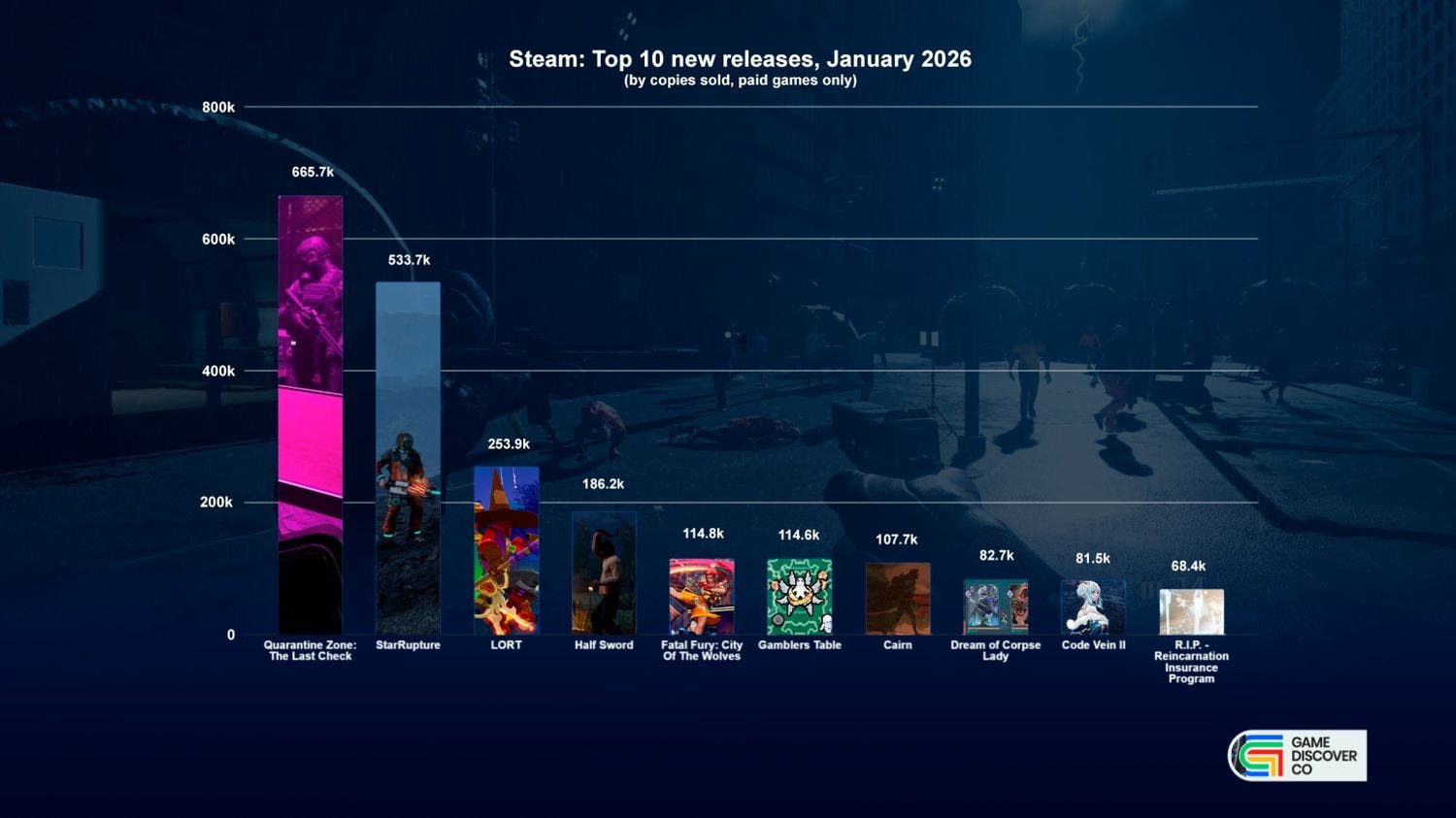
The Most Played Games On Steam For 2026 So Far Cheat Code Central Most Played Games Steam 2026 2048x1167 . 2026 S First Steam Top Sellers Revealed Week 1 2026 Steam Top Sellers Revealed Week 1 1536x864 . January 2026 S Top Selling New Steam Games Revealed 08418405 04a2 47eb B48b 1500x843 . 10 Much Awaited Games Set To Launch In 2026 Games To Launch 2026 1024x645 . New Steam Features For 2026 Steam Features 2026 What S New Banner.webp


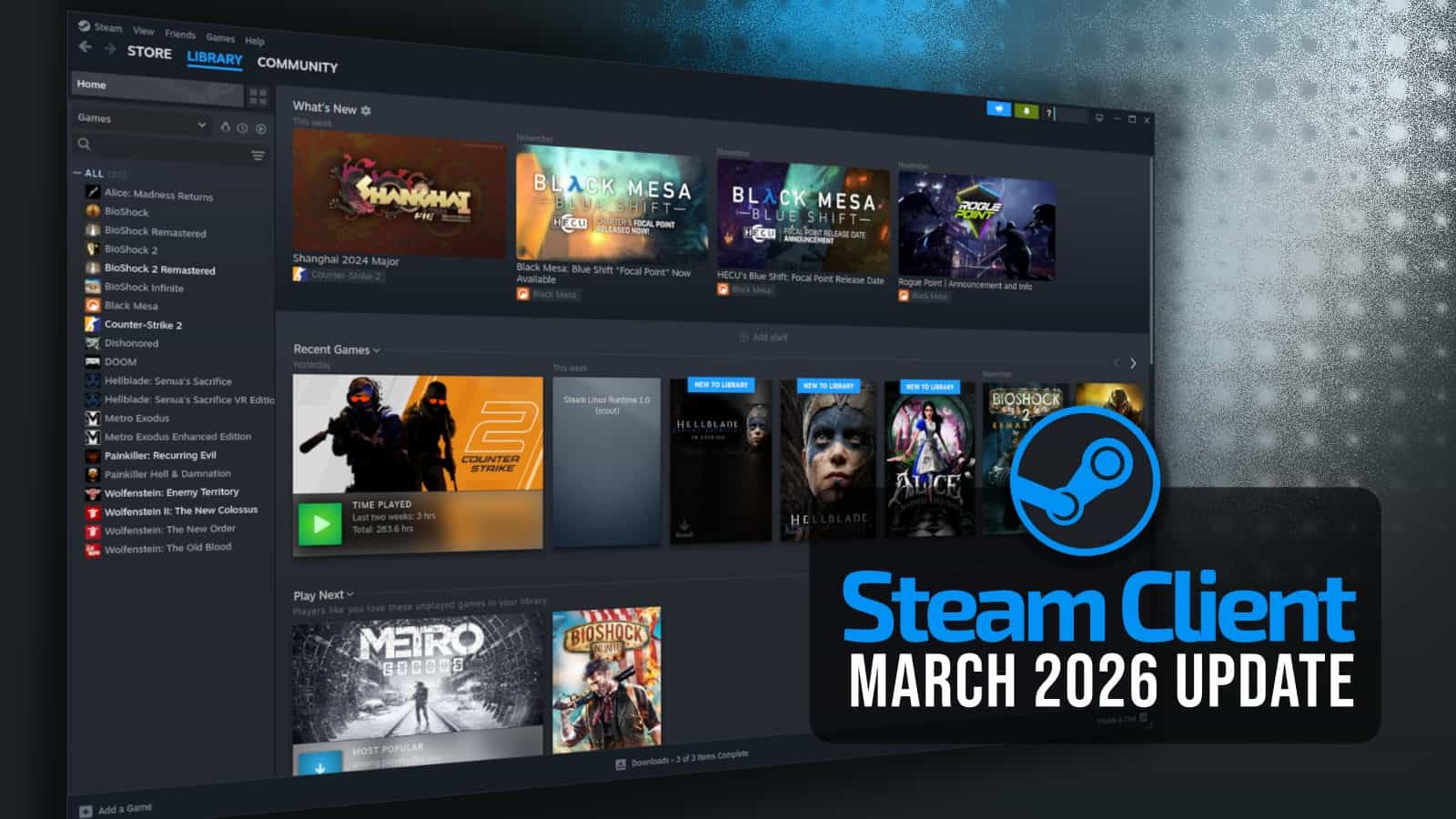

My Current Steam Wishlist 2025 2026 New Games YouTube . New PC Games In January 2026 12 Releases That Are Coming To Steam 1200cr630 Q100 . Nuova Steam Machine 2026 Giochi Compatibili E Data Di Nuova Steam Machine 2026.webp. Steam March 2026 Client Update Adds Hardware Specs To User Reviews Steam Client Mar 2026 . All 2026 Steam Fest Dates You Should Watch Out For Gamer Org All 2026 Steam Fest Dates You Should Watch Out For 3

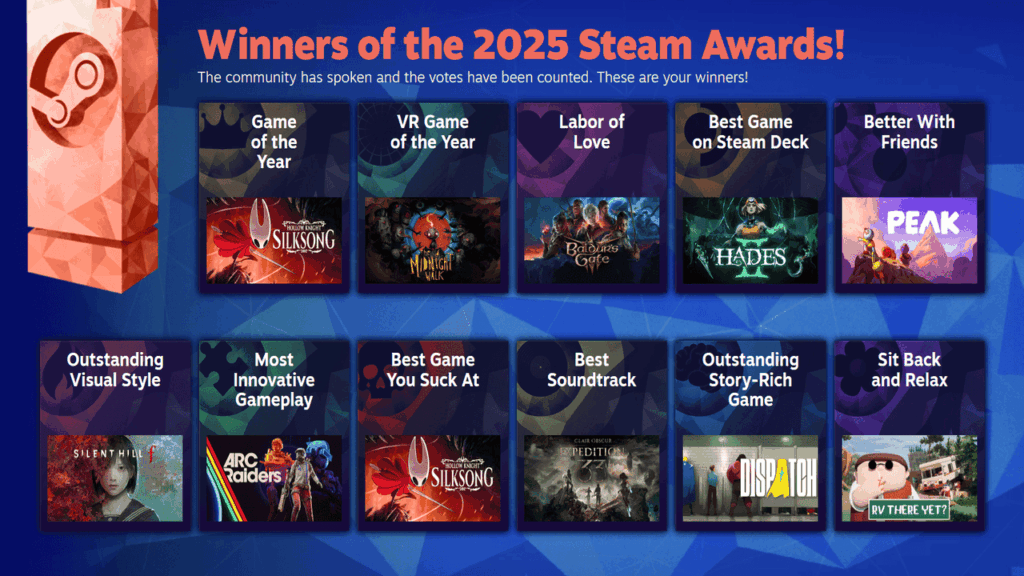

2026 Upcoming Games And Game Release Dates Guide 2026 Upcoming Games Release Dates . Steam Sales 2026 Calendario Todas Las Fechas Y Las Mejores Ofertas De All Steam Events 2026 1.webp. Steam Sale 2026 Key Dates You Need To Know LevelUpTalk Steam Sale Schedule 2026 08 27 2025 7c35051e 2c22 4093 96f1. Rekomendasi Game Steam Spring Sale 2026 Wajib Beli Steam Awards 2025 Winners 1024x576 . Steam Posts Sale Dates For The First Half Of 2026 PCWorld Steam Store New Look 2025
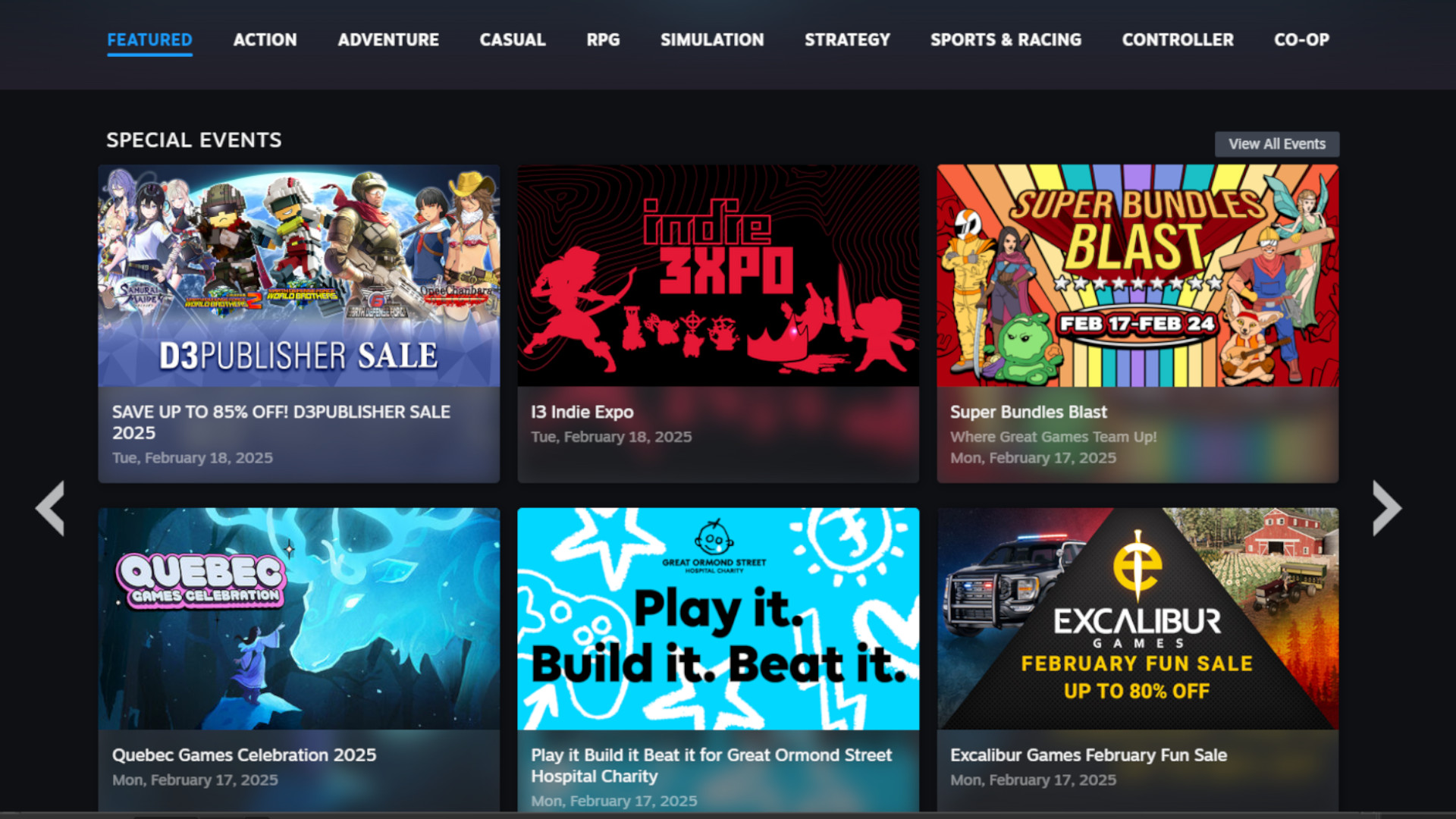


Steam Next Fest 2026 And Beyond All The Dates Details And Everything. Top 10 Most Anticipated Games Of 2026 What To Watch Out For TVN GAMES IN 2026 . The Top 2026 Games By Steam Wishlists By Rhys Elliott 688cc700 D4c5 483d 8b01 1606x902 . Valve S Steam Machine Launches In 2026 Everything We Know So Far Steam Machine Verified Slide . Steam Deck Announces Exciting New Video Game Console Set Steam Deck Announces Exciting New Video Game Console Set For 2026 Launch Gaming News Update

Valve Has Revealed All Steam Sale Event Dates For 2026 Steam Tererowa Game Rant . The Top 2026 Games By Steam Wishlists By Rhys Elliott 23c9e457 4e86 49e1 Af4e 1503x980 . Steam Sales 2026 Here S The Schedule For The First Half Of The Year 1824cr953 . Steam 2026 4 New Free To Play Games Available Now AllKeyShop Com Showcase Steam Free Games 2026 Indie F2p Card Roguelike Sci Fi. The Steam Store Just Got A Big Update With Great New Features Windows



Video Games 2026 Ones To Watch Part 1 Quest Daily 2026 Games Pt 1 . Steam Next Fest 2026 And Beyond All The Dates Details And Everything . 2026 Games Release Schedule Everything Coming Out This Year 2026 Most Anticipated Games . Steam Next Fest February 2026 The 22 Best Game Demos The Best Steam Next Fest Demos 2026 The Punished Backlog 1024x553 . Here Are The Steam Sale Dates For First Half Of 2026 Valve Offers 1864305984